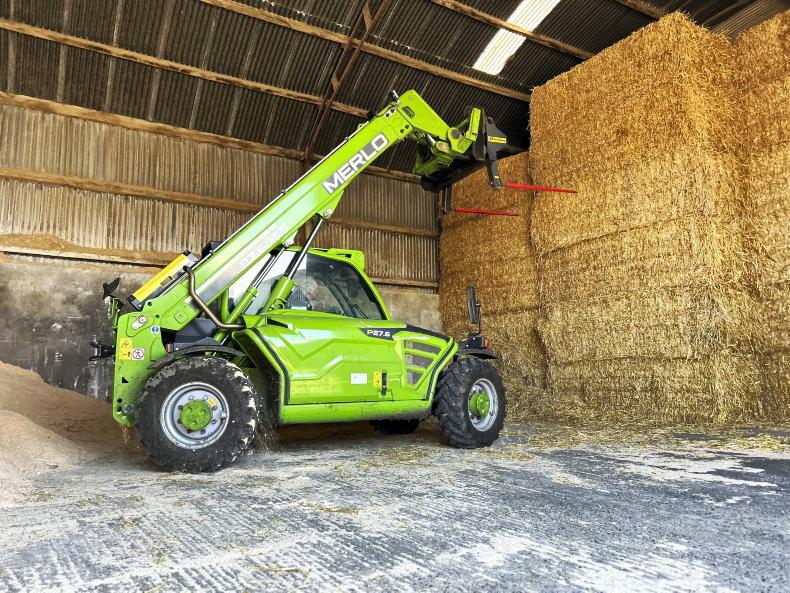
Accidents in the farmyard are all too common on most Irish farms. There is essentially no set agenda that can eliminate all hazards – animals and machinery are part of daily life. The practices on the farm should look at all the potential risks while we will concentrate on just the shear grab and loader. Unfortunately throughout my time involved with farm machinery, I have heard of a number of accidents involving the grab, with injuries to the operator and in some cases the livestock.
Working on the shear grab
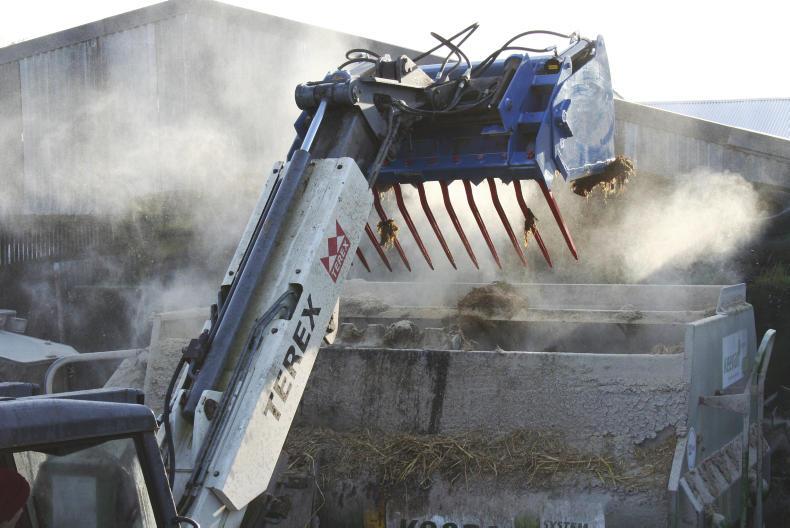
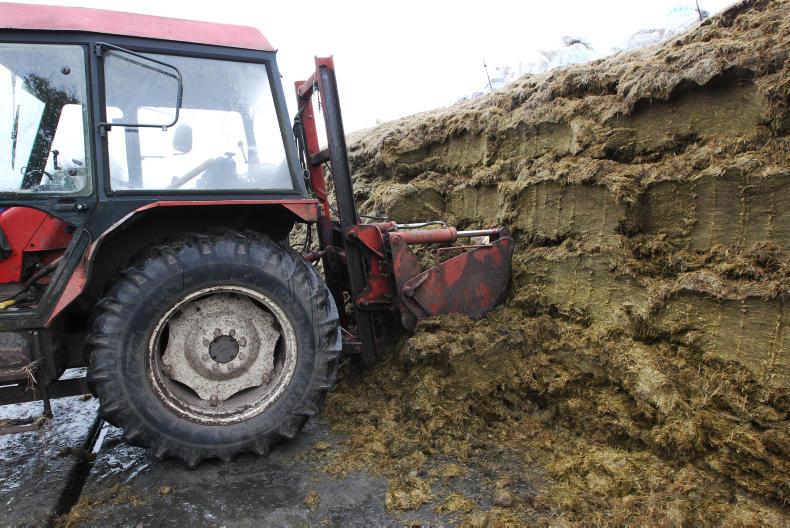
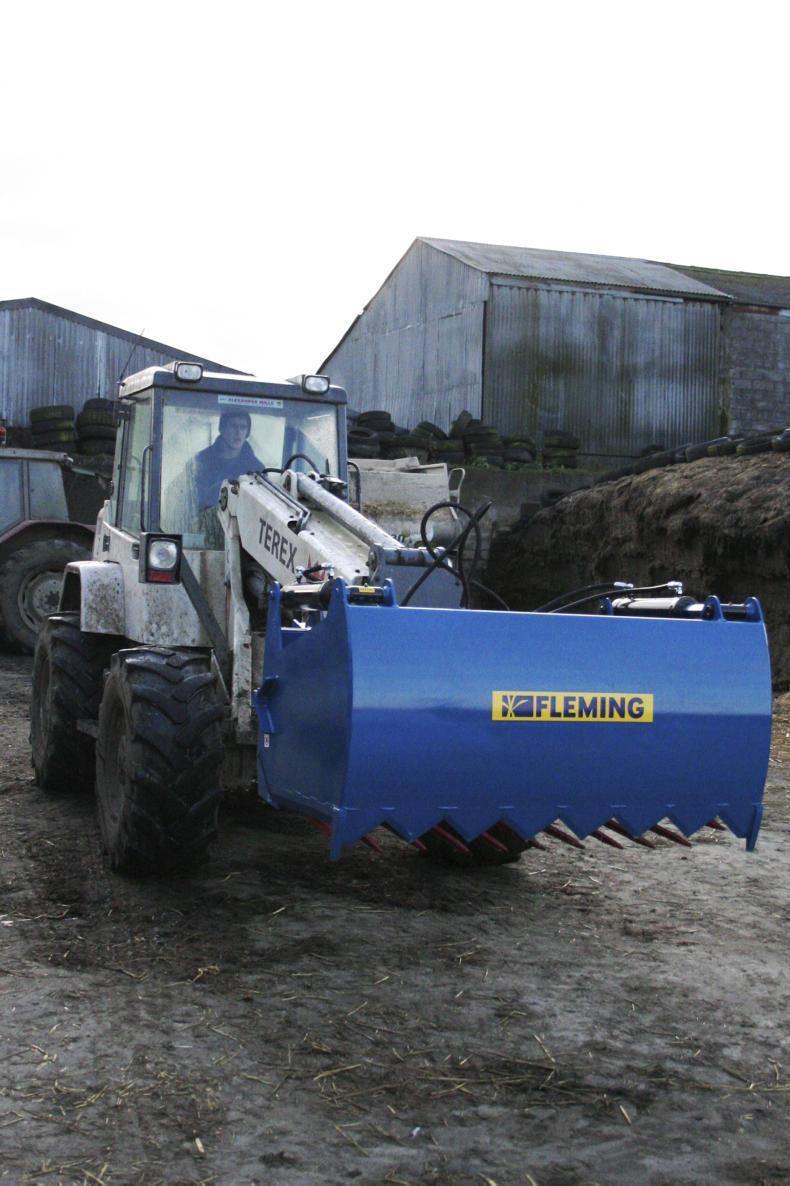
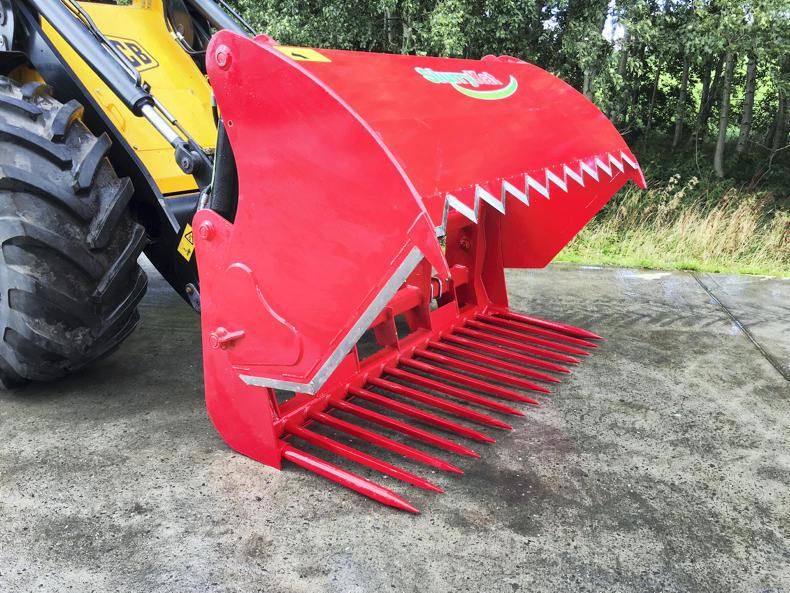
The shear grab by design is built to cut out the silage from the clamp. Hydraulic force in combination with a knife bank on the leading edge cut down with incredible force. The unfortunate injury can be an unexpected foot or arm that is mistakenly put in harm’s way. Losing an arm or foot is often the result of the grab closing. This can often happen when two people are working in the yard especially at night.
Carrying out routine maintenance such as tightening the tines where pressure is applied on bolts or nuts can result in a nasty gash across the knuckles.
When working on the shear grab blades, the grab is often left in the open position where the hydraulic cylinders are full of oil to keep the grab open.
One O ring failure or a simple move of the lever in the cab can cause the grab’s cutting blades to slap down on the person working on the machines.
If sharpening blades using a mini grinder, ensure that adequate eyewear and ear defenders are available and used.
Solution
Keep people away from the clamp when the shear grab is in operation. Use appropriate tools with extension bars to keep hands safe when working on tines and blades. Always use a prop when working near machines with hydraulic rams.Parking in the yard
This is the time when injury is least expected, the tractor is unattended and the work is completed. Yet accidents happen where the tractor and loader roll on the yard, causing serious crush injuries.
Other injuries occur from grabs not being lowered to the ground after use. It is an absolute necessity to leave a loader lowered after work. Grabs left at eye level height are easily found at night where there is not enough yard lighting. As stated earlier, loader rams can fail also, causing a sudden drop.
Tractors with malfunctioning handbrakes are culprits. Parking them in gear, especially older models, could actually result in a jump-start going down a hill.
Solution
Lower loaders and grabs after use. Keep the grab in the closed position. Ensure parking brakes are working.Loading with the grab
Nine times out of 10, accidents won’t happen; the problem is that final 10% chance. The most careful operators are sometimes caught out by being in the wrong place at the wrong time.
The frightening prospect of being close to a grab that unhooks from the hitch attachment and crashes to the ground is very unnerving.
With over a tonne of weight when loaded with material, the amount of time to stand clear is nonexistent when in that scenario. Shear grabs often end up in the diet feeder when the latching pins fail or are opened accidentally. Standing clear of diet feeders that are being loaded is a very good idea from a safety point of view. Maintenance of machines is critical to avoid failures that may affect safety on the farm.
Solution
Stand clear of loading operations. Check latching and pins are locked in. Avoid travelling at excessive speed across the yard. Never stand directly underneath the grab at any stage.Give 60 seconds to check machines
As with all operations this winter season, take one minute before starting the task. Broken tines, damaged hydraulic hosing and worn pins are precursors to an accident taking place.
Read more
Accidents in the farmyard are all too common on most Irish farms. There is essentially no set agenda that can eliminate all hazards – animals and machinery are part of daily life. The practices on the farm should look at all the potential risks while we will concentrate on just the shear grab and loader. Unfortunately throughout my time involved with farm machinery, I have heard of a number of accidents involving the grab, with injuries to the operator and in some cases the livestock.
Working on the shear grab
The shear grab by design is built to cut out the silage from the clamp. Hydraulic force in combination with a knife bank on the leading edge cut down with incredible force. The unfortunate injury can be an unexpected foot or arm that is mistakenly put in harm’s way. Losing an arm or foot is often the result of the grab closing. This can often happen when two people are working in the yard especially at night.
Carrying out routine maintenance such as tightening the tines where pressure is applied on bolts or nuts can result in a nasty gash across the knuckles.
When working on the shear grab blades, the grab is often left in the open position where the hydraulic cylinders are full of oil to keep the grab open.
One O ring failure or a simple move of the lever in the cab can cause the grab’s cutting blades to slap down on the person working on the machines.
If sharpening blades using a mini grinder, ensure that adequate eyewear and ear defenders are available and used.
Solution
Keep people away from the clamp when the shear grab is in operation. Use appropriate tools with extension bars to keep hands safe when working on tines and blades. Always use a prop when working near machines with hydraulic rams.Parking in the yard
This is the time when injury is least expected, the tractor is unattended and the work is completed. Yet accidents happen where the tractor and loader roll on the yard, causing serious crush injuries.
Other injuries occur from grabs not being lowered to the ground after use. It is an absolute necessity to leave a loader lowered after work. Grabs left at eye level height are easily found at night where there is not enough yard lighting. As stated earlier, loader rams can fail also, causing a sudden drop.
Tractors with malfunctioning handbrakes are culprits. Parking them in gear, especially older models, could actually result in a jump-start going down a hill.
Solution
Lower loaders and grabs after use. Keep the grab in the closed position. Ensure parking brakes are working.Loading with the grab
Nine times out of 10, accidents won’t happen; the problem is that final 10% chance. The most careful operators are sometimes caught out by being in the wrong place at the wrong time.
The frightening prospect of being close to a grab that unhooks from the hitch attachment and crashes to the ground is very unnerving.
With over a tonne of weight when loaded with material, the amount of time to stand clear is nonexistent when in that scenario. Shear grabs often end up in the diet feeder when the latching pins fail or are opened accidentally. Standing clear of diet feeders that are being loaded is a very good idea from a safety point of view. Maintenance of machines is critical to avoid failures that may affect safety on the farm.
Solution
Stand clear of loading operations. Check latching and pins are locked in. Avoid travelling at excessive speed across the yard. Never stand directly underneath the grab at any stage.Give 60 seconds to check machines
As with all operations this winter season, take one minute before starting the task. Broken tines, damaged hydraulic hosing and worn pins are precursors to an accident taking place.
Read more






SHARING OPTIONS