All winter wheat crops will have received T2 fungicides and the early ones will shortly be at T3 as we get into flowering.
T3 is the big dilemma because triazoles are the main actives used in the hope of controlling ear blight and we would want to minimise their use to help in the septoria battle. Many may also apply a strobilurin at this timing to help with stress and green leaf retention. Who knows what lies ahead weather-wise but bright and sunny for the next 10 to 20 days would be a great help. Mildew may also need to be targeted with a morpholine where it is active.
Treatments at T3 need big rates to have any chance of being successful against ear blight. Fungicide options include triazole mixtures such as Prosaro or Gleam or Magnello, possibly with a half-rate strobilurin +/- chlorothalonil. The benefit of chlorothalonil is questionable at this timing but it may help reduce late-season septoria infection if there is resistance about and with earlier timings.
ADVERTISEMENT
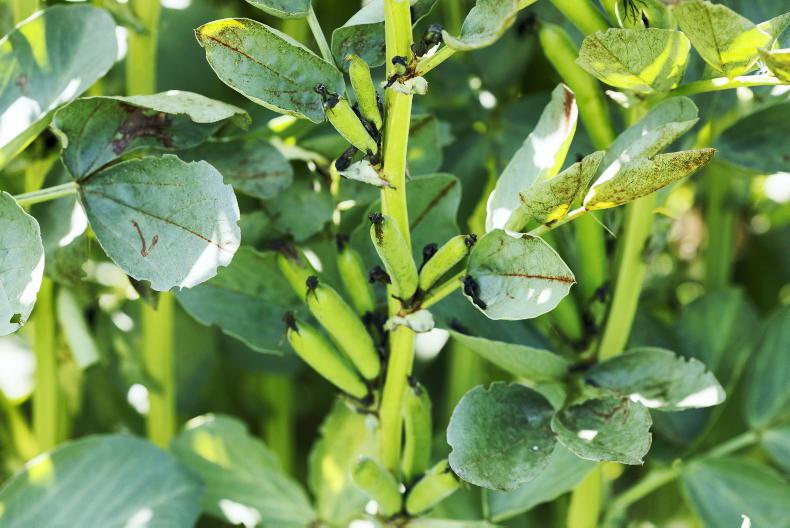
Hold decisions on aphicides until just before spraying. Only spray if numbers are very high and use a systemic insecticide like dimethoate rather than a contact pyrethroid.
This content is available to digital subscribers and loyalty code users only. Sign in to your account, use the code or subscribe to get unlimited access.
The reader loyalty code gives you full access to the site from when you enter it until the following Wednesday at 9pm. Find your unique code on the back page of Irish Country Living every week.
CODE ACCEPTED
You have full access to the site until next Wednesday at 9pm.
CODE NOT VALID
Please try again or contact support.
All winter wheat crops will have received T2 fungicides and the early ones will shortly be at T3 as we get into flowering.
T3 is the big dilemma because triazoles are the main actives used in the hope of controlling ear blight and we would want to minimise their use to help in the septoria battle. Many may also apply a strobilurin at this timing to help with stress and green leaf retention. Who knows what lies ahead weather-wise but bright and sunny for the next 10 to 20 days would be a great help. Mildew may also need to be targeted with a morpholine where it is active.
Treatments at T3 need big rates to have any chance of being successful against ear blight. Fungicide options include triazole mixtures such as Prosaro or Gleam or Magnello, possibly with a half-rate strobilurin +/- chlorothalonil. The benefit of chlorothalonil is questionable at this timing but it may help reduce late-season septoria infection if there is resistance about and with earlier timings.
Hold decisions on aphicides until just before spraying. Only spray if numbers are very high and use a systemic insecticide like dimethoate rather than a contact pyrethroid.
If you would like to speak to a member of our team, please call us on 01-4199525.
Link sent to your email address
We have sent an email to your address. Please click on the link in this email to reset your password. If you can't find it in your inbox, please check your spam folder. If you can't find the email, please call us on 01-4199525.
ENTER YOUR LOYALTY CODE:
The reader loyalty code gives you full access to the site from when you enter it until the following Wednesday at 9pm. Find your unique code on the back page of Irish Country Living every week.






SHARING OPTIONS