




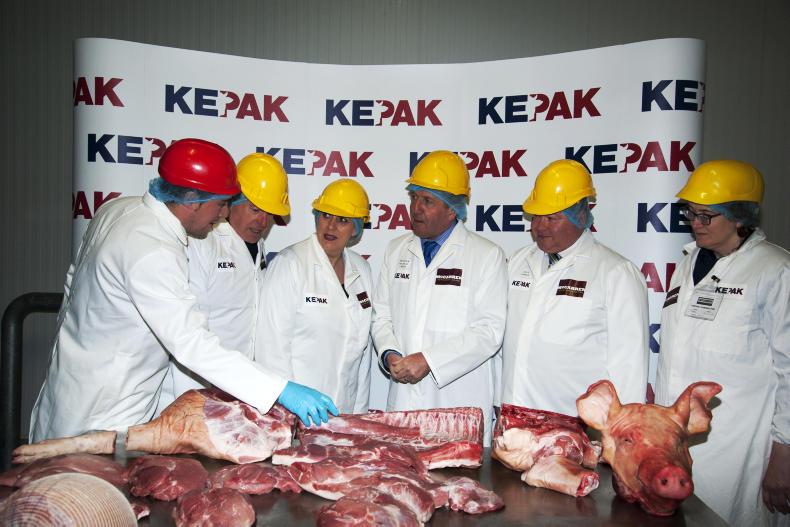
Some €50m worth of food contracts were signed as part of a trade mission to west Africa this week.
Despite political problems going back decades Nigeria is a potentially very wealthy country with large oil reserves which make it the 26th largest economy in the world in terms of GDP, 15 places ahead of Ireland. The purpose of the visit is to not only develop trade but also development partnerships that will enable companies in these countries to develop their businesses with the assistance of Irish know-how.
Nigeria has a population of 170m and this is projected to grow by 5m annually over the next three decades, doubling by 2050. Despite its size and potential, it remains seriously underdeveloped, with 60% of its arable land lying fallow.
Ninety-five per cent of its food retail takes place through informal kiosks and markets. Food, drinks and tobacco account for 60% of household expenditure. The country has a cattle herd of almost 19m, 2m of which are milk cows producing 563,000t of milk, 369,000t of beef and 375,000t of mutton, lamb and goat.
Nigeria does not import beef or pork as they concentrate on building up their own industries, but it is Ireland’s leading seafood export destination by volume and second by value, with over €53m of sales so far this year.
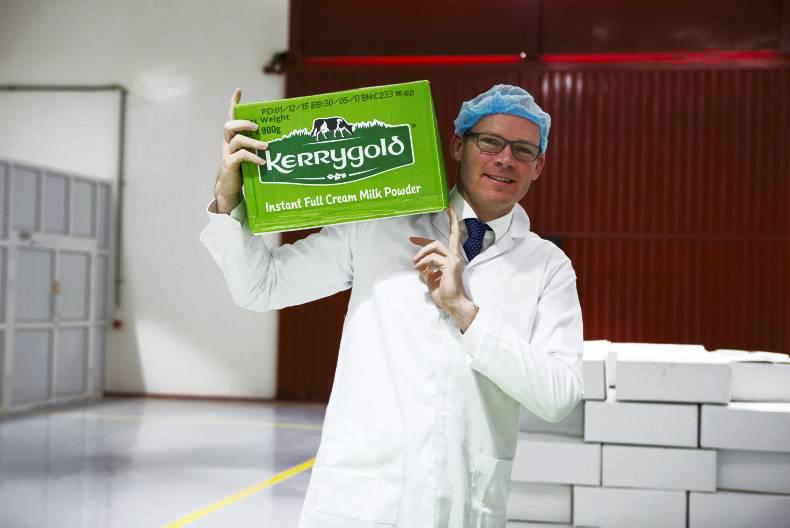
Prepared foods represent over €100m of sales and €32m of dairy products. Irish food companies participating include: Abbott nutrition, AgraKepak, Aurivo, Dawn Meats, Foyle Food Group, Kerry, Lakeland Diaries and Ornua.
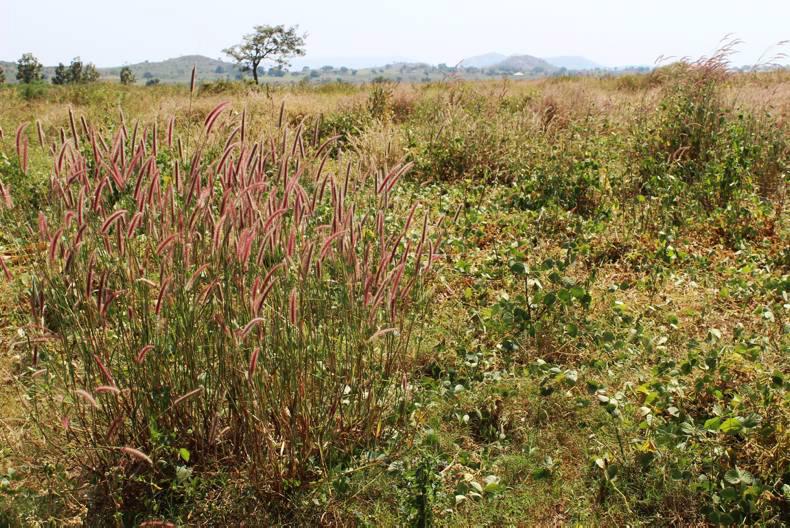
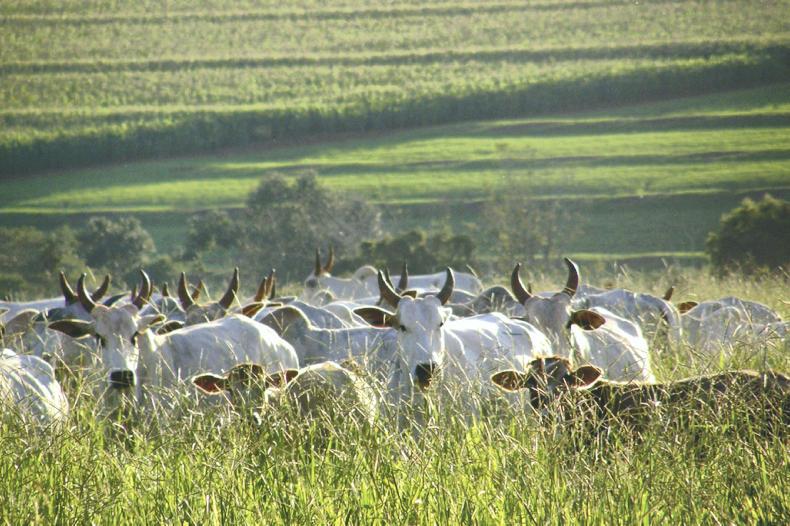
Much of Nigeria’s fertile farmland lies idle, unfarmed and growing a savannah-type pasture which is a mix of scrub and grassland.
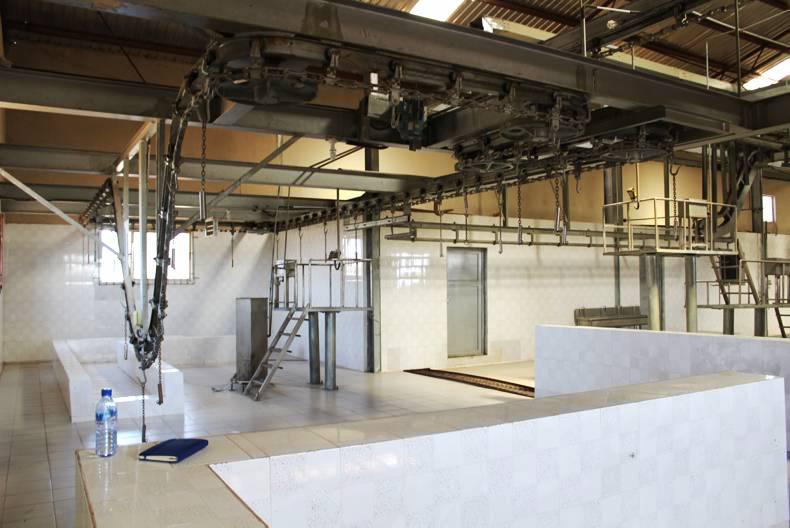
Irish man Patrick Byrne has been in Nigeria for several years and operates a meat wholesaling business supplying many of the top restaurants and hotels in Abuja and Lagos. He sources cattle in markets which can be several hundred miles away from the abattoir he uses to process them which is two hours outside Abuja.
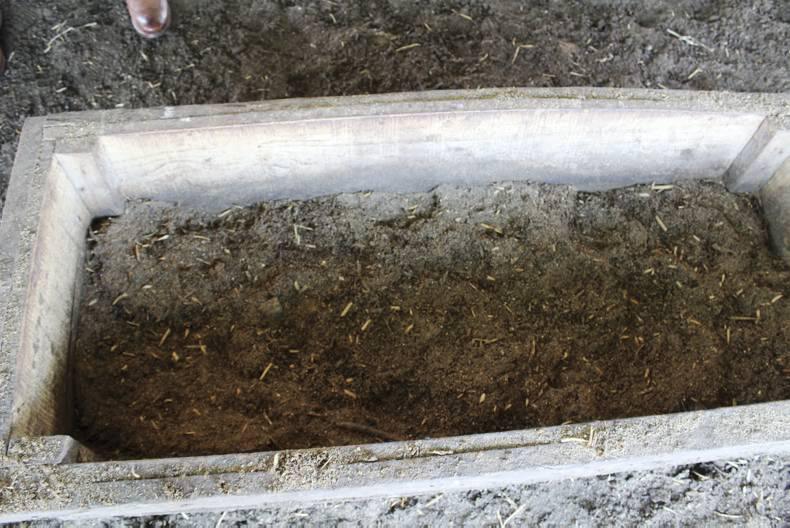
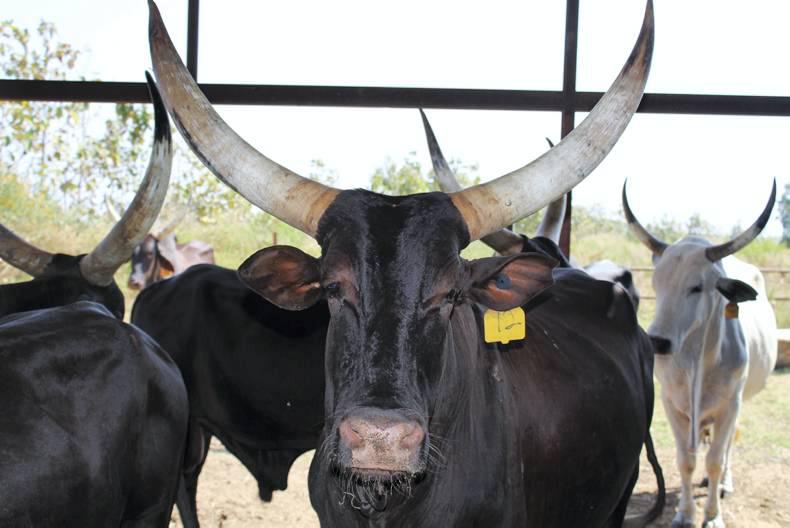
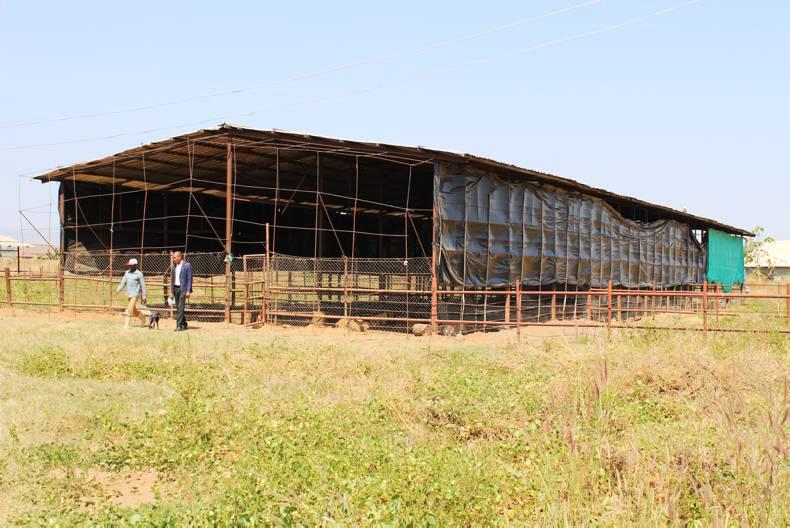
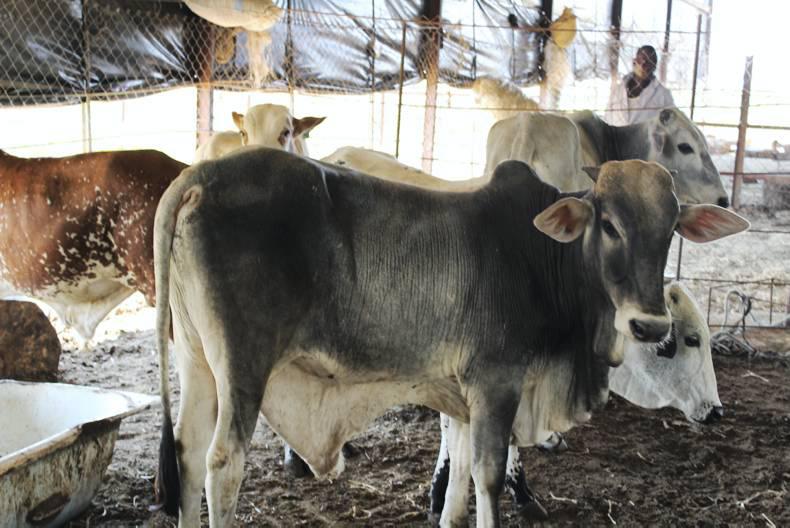
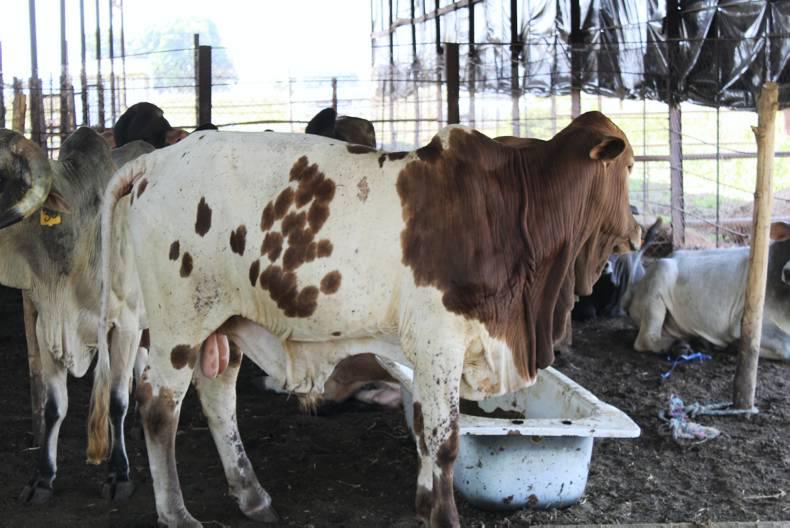
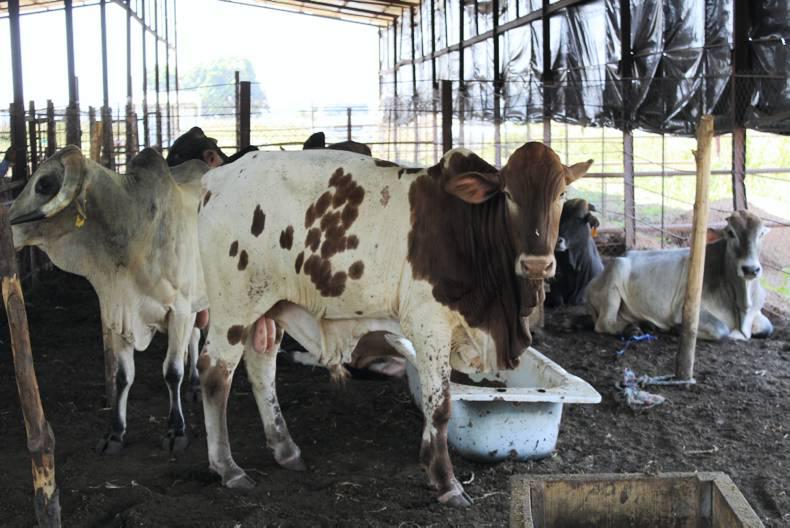
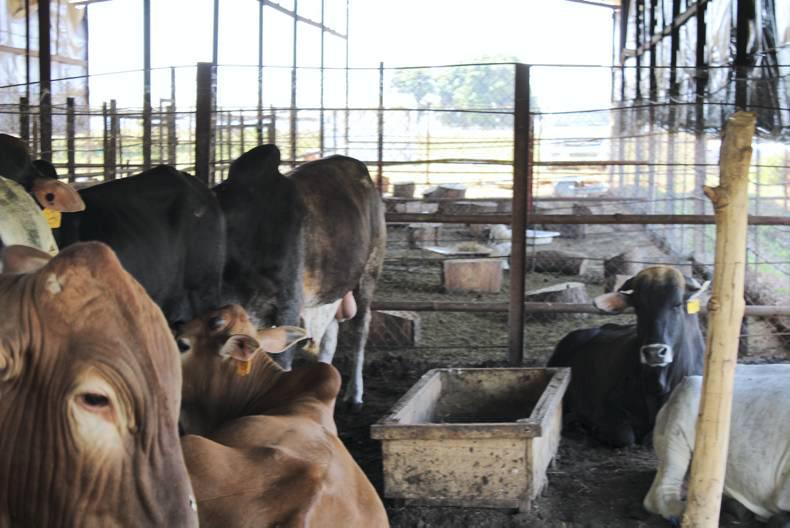
Beside the abattoir is a cattle unit where tropical breeds of cattle are fed a mixed ration of rice hay, brewer’s grain and molasses.
Cattle sourced from neighbouring African countries such as Niger and Cameroon, where feed is scarce tend to perform best on this diet, achieving 1.1kg liveweight growth daily on this ration.
The cattle sheds and pens are extremely basic but adequate for their purpose, sheltering animals from the sun. There is little evidence of waste handling facilities.




SHARING OPTIONS