



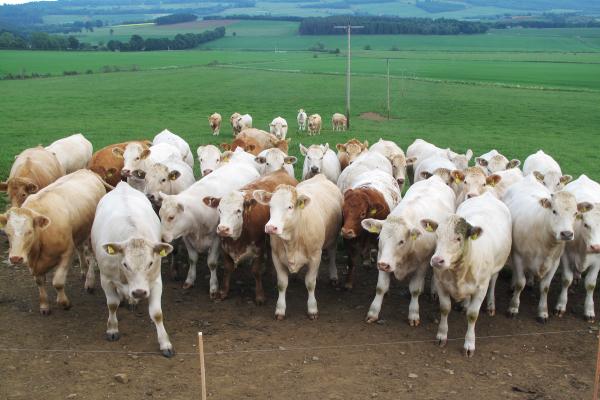
Despite the number of prime steers, heifers and young bulls slaughtered in Britain and NI expected to hit a six-year high in 2017 (just under two million head), it is unlikely to actually translate into an increase in total beef produced when compared with 2016.
According to the latest projections from the Agriculture and Horticulture Development Board (AHDB), total beef production could be down by as much as 3%, mainly as a result of fewer cows coming to slaughter due to higher milk prices and lower cattle slaughter weights.
A total of 662,000 cows were presented to factories in 2016 across NI and Britain. The forecast for 2017 is 615,000.
In terms of slaughter weights, they have mainly been driven down by processors applying penalties on heavy carcases. In 2016, steers were 3kg lighter, heifers 4kg and young bulls 18kg lighter than in the previous year. It is a trend that AHDB expects to see maintained in 2017.
Irish trade
With the UK around 80% self-sufficient in beef, and the Republic of Ireland a major importer into Britain, accounting for nearly 70% of beef imports, what happens in the Irish market also has an impact on UK trade.
In its outlook paper, AHDB notes that forecasts suggest slaughterings in the Republic of Ireland could be up by 100,000 this year, to top 1.7m, taking Irish production to its highest level in a decade.
However, what really matters is how competitively priced this Irish product is against UK beef, and that is mainly driven by the euro to sterling exchange rate. “The threat to the UK from higher production in Ireland could be mitigated if the pound remains relatively weak,” states AHDB.
The competitiveness of Irish beef in the British market is also driven by prevailing farmgate prices in Ireland, and these could be under pressure this year.
Despite the priority being given within the Irish government and beef industry to finding and exploiting new market outlets for their beef, AHDB notes that this has had little effect on supplies coming to the UK. It predicts that the UK will remain the key market outlet, and with increased slaughterings in 2017, expects Irish beef imports to the UK to increase this year.
Countering this threat is the fact that the lower value of sterling against the euro makes British beef more price competitive on the European continent, facilitating increased exports. Also, there remains a strong loyalty from British consumers for British beef.
Lamb trade
The lamb trade could be under more pressure this year compared with 2016, the result of a combination of factors mainly linked to increased domestic supply, states AHDB.
That increase is partly due to a carryover of 2016 lambs into 2017 after poor weather conditions delayed finish. In the first quarter of 2017, slaughterings are forecast to rise by 6% or 0.2m head.
However, poorer weather in 2016 is also expected to have an effect on 2017 lambing percentages. While the UK breeding flock is up slightly, the 2017 lamb crop is forecast to be down 1%. But given more normal growing conditions this year, it will mean more of these lambs are slaughtered before the year end. Higher ewe numbers are also expected to translate into a 2% increase in ewe slaughterings.
Taking everything together, production in 2017 is expected to rise by 12,700t (4%) compared with 2016, reaching 299,800t.
Exports
If sterling remains at current levels against the euro (85p), it will help to facilitate exports, especially for live lambs from NI to the Republic of Ireland. However, demand for sheepmeat in France (a major export destination for UK and Irish lamb) is expected to remain weak, AHDB predicts.
New Zealand
Set against that, tight supplies in New Zealand, and a less attractive currency rate against sterling than in previous years, mean that AHDB forecast imports to be down by 4,300t or 4%, to 103,000t in 2017.
However, falling imports will not be enough to offset the increase in overall UK production, predicts AHDB.




SHARING OPTIONS