


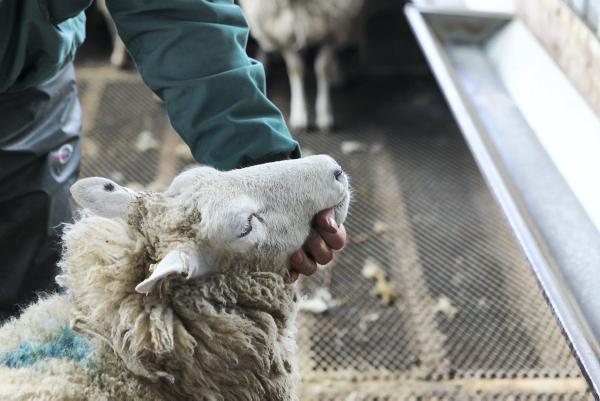
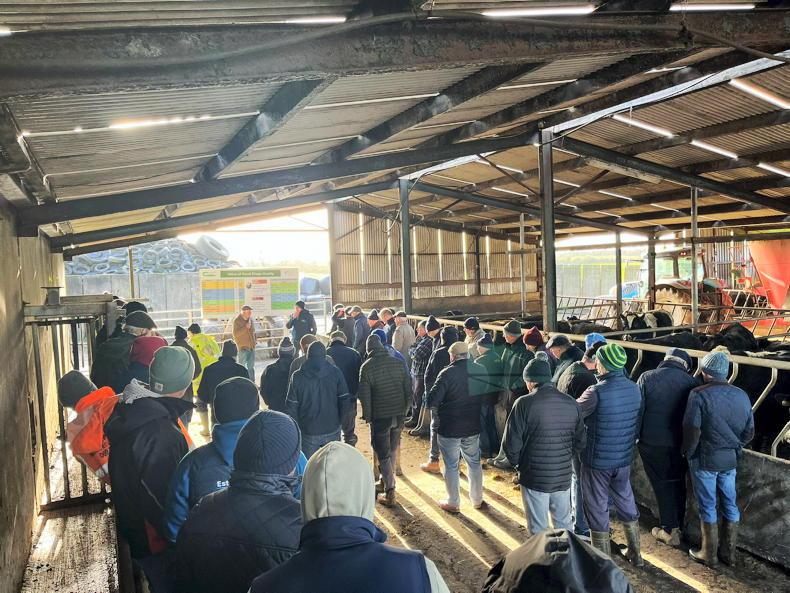
In 2013, the Department of Agriculture Food and the Marine (DAFM), with support from Teagasc, established a Sheep Technology Adoption Programme (STAP). The aim of this programme was to increase profitability on Irish sheep farms by using discussion groups to encourage and enable the adoption of best management practice. STAP participants in 2013 attended at least four meetings and completed two technical tasks from a list of 10 possible tasks.
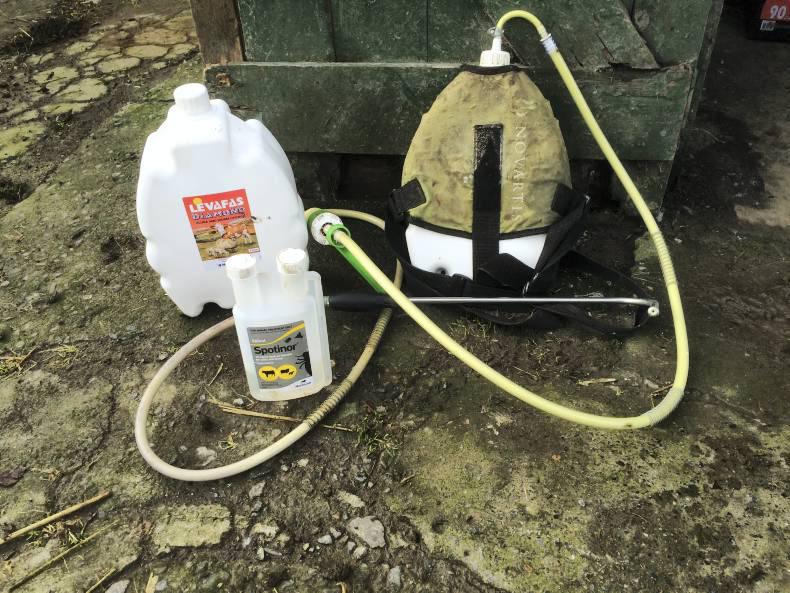
Among the STAP tasks was a drench test. This task involved testing by participating approved private laboratories for the presence of roundworm eggs, both before and after anthelmintic treatment (wormers).
The test was carried out in the same group of lambs to determine the effectiveness of the anthelmintic used. It was recommended that fresh faecal samples were collected from at least 10 lambs in the group and to adhere to the sampling interval guidelines.
Anthelmintic resistance
Anthelmintics can fail to kill roundworms for a number of reasons, such as sub-optimal dosing technique or the presence of anthelmintic-resistant worms in the sheep.
The incidence of anthelmintic resistance is increasing worldwide and so it is important for the Irish sheep industry and individual farmers to know the anthelmintic resistance status on their farm. The drench test task was the most popular choice of task among STAP participants in 2013, which indicates the level of farmer interest in this topic.
Almost 2,000 sheep farmers took part in STAP task 3. The breakdown of the anthelmintic drug classes used is shown in Table 1.
The white drenches were the most popular drug used to treat lambs, followed by the clear wormers and then yellow drenches. In order to be considered fully effective, a drench must kill 95% or more of the roundworms. By this standard, approximately half of all treatments administered were fully effective. However, half of all treatments were not fully effective (there were significant differences between the three anthelmintic/wormer classes) as they did not kill more than 95% of the roundworms and, in some cases, did not kill any roundworms at all. The percentage of treatments that was effective for each of the three drug classes is shown in Table 2.
It is important to note that anthelmintic treatment may fail to kill worms for a number of reasons, e.g. the animals may have been underdosed if they were not weighed or the dosing gun may not have been calibrated. If the data submitted from farms was not entirely accurate, this will also affect results.
Alternatively, failure of treatment may indicate the presence of anthelmintic resistant worms on the farm. Despite being the most commonly used anthelmintic, the white drenches were only effective in 31% of cases indicating a high level of failure.
Previous work carried out by Teagasc and UCD has shown a high level of resistance to the white drenches. The clear wormers were the most effective but use of this class of anthelmintic must be carefully managed to ensure their continued effectiveness.
Overuse of any particular anthelmintic may increase the likelihood of the development of resistance on a particular farm. If farmers suspect wormer resistance or want to reduce their likelihood of developing a resistance problem, it is vital they discuss their dosing strategy with their veterinary surgeon and agricultural advisers following completion of the drench test procedure.
If you carried out an STAP drench test in 2013, you can calculate the percentage reduction in worm eggs on your farm. For example, if you had a pre-dose count of 1,000 (eggs per gramme – EPG – of faeces) and a post-dose count of 400, then 600 were killed by the treatment. The reduction in faecal egg count is 600/1,000 = 60%. You should discuss your results with your vet or farm adviser.
Contact your adviser if you wish to choose STAP Task 3 (Drench Test) in 2014. Remember to strictly follow the steps involved so both the farmer and the Department will get information that can be used to increase profitability for Irish sheep farmers. It may be particularly useful for farmers who completed this task in year one and identified potential problems with their wormers to complete this task again in 2014.
This report was compiled by Maresa Sheehan, Kilkenny Regional Veterinary Laboratory; Jason Keegan, Teagasc Grange; Orla Keane, Teagasc Grange; Barbara Good, Teagasc Athenry; and John Carty Department of Agriculture, Food and the Marine, Portlaoise.




SHARING OPTIONS