


A few farmers have contacted me recently concerning positive salmonella results on bulk milk samples analysed by their milk purchaser.
The basic interpretation of a positive result is that the herd is vaccinating for the disease or that there are infected carrier animals in the herd. A negative result indicates a herd free of infection or with a very small number of infected animals.
Salmonella is a bacterial disease that causes scour and joint infections in young cattle or scour and abortions in adult cattle.
It is also a zoonosis, meaning that it can cause disease in humans if they come in contact with infected faeces, aborted foetuses or possibly unpasteurised milk.
Clearly, it is in the farmers’, processors’ and consumers’ interests that the disease is controlled on farms.
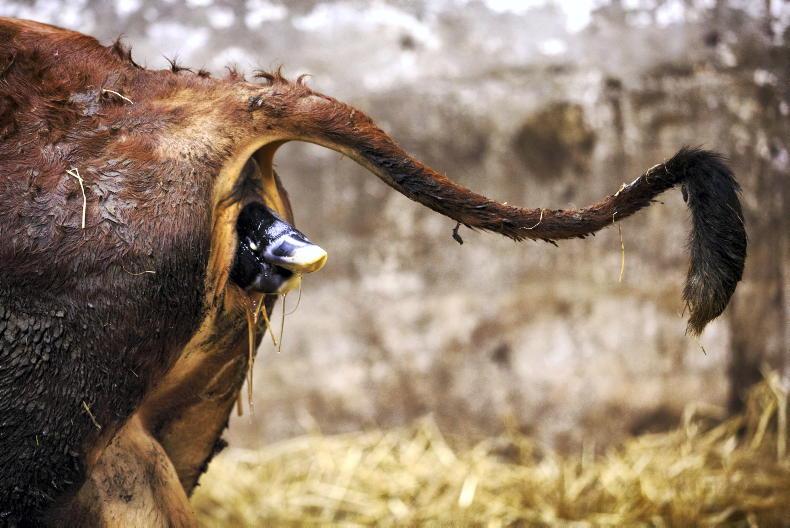
Abortion is the main risk of salmonella infection in dairy herds in Ireland. These usually occur between September and December, which coincides with drying off.
Some cows that abort will become systemically sick, requiring intensive treatment. Cows may also become carriers of the infection, shedding it at times of stress and providing a source of infection for other animals.
Now is the perfect time to focus on salmonella in dairy herds.
High-risk time
Given that the high-risk time for abortions is approaching, vaccination of cows and heifers now will give maximum protection at time of maximum disease risk.
Previously unvaccinated herds and heifers will require two doses, 21 days apart. In vaccinating herds, cows require a single annual booster. The vaccine acts by increasing the animals’ immunity and also be reducing shedding of infection by carrier animals.
In herds with a negative bulk milk test result, the focus should be on prevention of entry of salmonella to the farm.
The main routes of introduction of salmonella are purchase of carrier animals and sharing of machinery, especially slurry tankers or dung spreaders.
Unfortunately, local spread by birds or wild animals is largely unavoidable. Vaccination should also be considered in these herds if the main sources of disease introduction are unavoidable.
Michael O’Meara works at Gortlandroe Vet Clinic, St Conlon’s Rd, Nenagh, Co Tipperary. Gorltandroe Vet Clinic is part of XLVets. XLVets is a group of progressive practices which are working together to achieve a better future for agriculture and veterinary in Ireland. For further information, go to www.xlvets.ie.


SHARING OPTIONS