I have noticed in the last couple of weeks a significant increase in calls to cases of pneumonia in suckler and dairy herds, particularly in calves from one to four months old.
Often when talking about pneumonia with clients, there is a distinct view that bad weather has caused the pneumonia. Due to the fact I am asked so often about this phenomenon, I will try to answer this question.
There can be no doubt that changeable weather, especially when involving very cold and wet conditions, can contribute to pneumonia. It does not, however, cause the symptoms of pneumonia. What causes pneumonia in young calves are viral or bacterial infections. These bacteria and viruses are often shed by older animals that are not infected and have developed immunity against them.
This is why when talking about pneumonia, we must remember it is a multifactorial disease
It must also be remembered that a lot of young healthy animals will have these viruses and bacteria in their airways. These viruses particularly will multiply in the cells lining the airways and lungs when immunity is poor.
They can cause problems even when animals are healthy. This occurs usually when there is very high infection pressure (or when lots of these pneumonia pathogens/bugs are being spread or shed).
So, when talking about pneumonia, we must remember it is a multifactorial disease. The bugs are a key factor, but they often need things such as lowered immunity in the calves or favourable environmental conditions to shed or spread. So cold or wet weather can cause stress in calves which contributes to these viruses that are often present multiplying and taking effect on animals. Equally, cold weather or temperature fluctuations can predispose housed calves to the signs of pneumonia.
The following are risk factors for pneumonia:
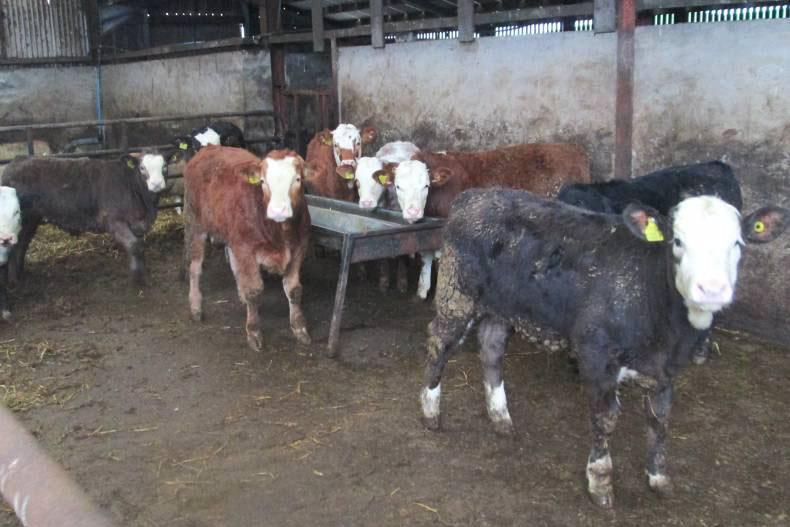
Poor colostrum intake lowering immunity.Poor housing and ventilation (cold air directly on calves or not enough fresh air in sheds).Older animals shedding large amounts of virus mixed with younger immune naive calves.Overstocking adding to stress and air quality issues.Anything that effects nutrition will cause stress and immunity problems.Stress for any animal, or human for that matter, isn’t good. It causes release of a hormone called cortisol which for prolonged periods reduces immunity or the ability to fight off infections. Causes of this type of stress on young calves can include dehorning, weaning, castrating or overcrowding in sheds.
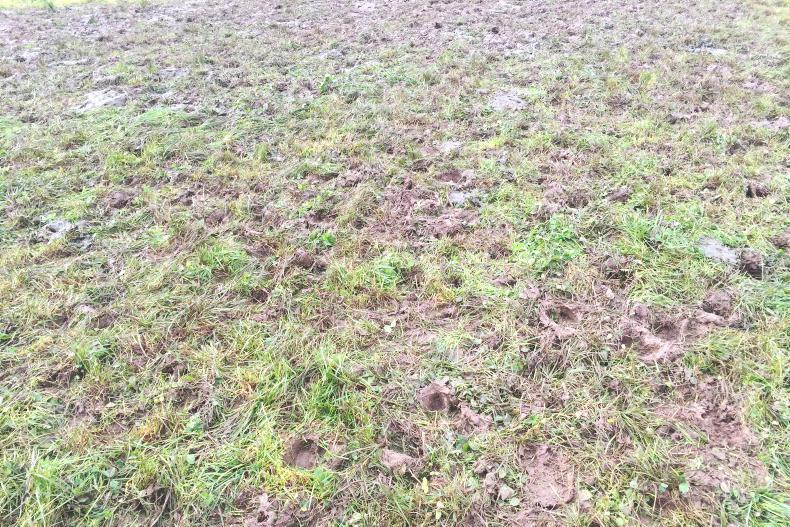
Another classic example of this stress is calves going out in bad weather; they end up getting cold and stressed, which can predispose sometimes to pneumonia. So it’s not the weather that directly causes pneumonia, but the subsequent stress which often allows viruses multiply and spread. This is why calf shelters often work well as a place for calves to go and shelter in fields in bad weather.
Every farmer knows the signs of pneumonia and can discuss treatments with their own vet. This article aims to raise awareness of the huge effects stress has on causing or contributing to pneumonia and the way it can contribute to the problem.
So, to prevent pneumonia:
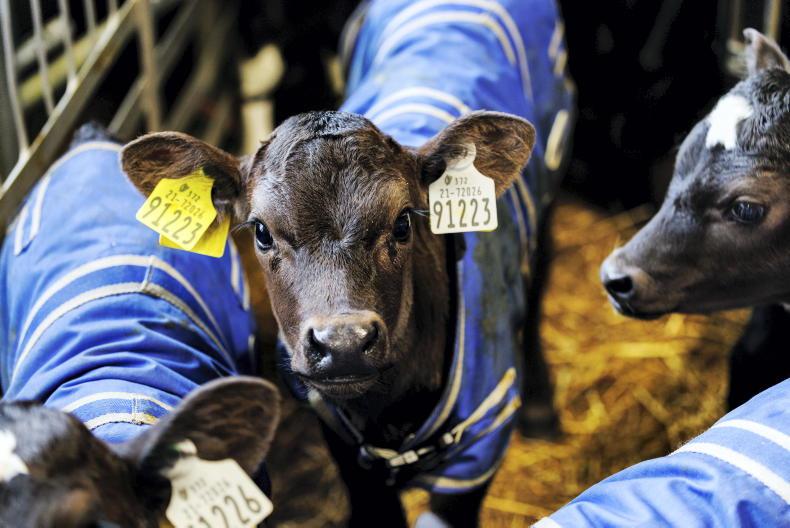
Ensure good colostrum transfer.Make sure pens are clean and warm.Allow plenty fresh air above calves but minimise draughts (Fresh air is key in calf housing, but avoid cold air blowing directly on to calves).Ensure good milk intakes, which help develop good body condition and reserves to aid when conditions of stress occur.Manage dehorning, castrating with pain relief to minimise stress.Consider vaccination to boost immunity before challenging times on a calves immune system.Don’t mix age groups in dairy calves or have pens too tightly packed.Buying in calves greatly increases risk because transport stress (shipping fever) causes huge problems, especially in calves harbouring viral infections. These bought-in animals should be very carefully monitored. In large calf-rearing units I have developed certain standard operating practices for these calves.Infected animals should be treated early and appropriately and isolated where possible.When leaving calves out, try to avoid having them out in bad weather. Try to provide shelter for young calves that are out in cold wet conditions continuously. So be aware of the risks and try to minimise them.
I have noticed in the last couple of weeks a significant increase in calls to cases of pneumonia in suckler and dairy herds, particularly in calves from one to four months old.
Often when talking about pneumonia with clients, there is a distinct view that bad weather has caused the pneumonia. Due to the fact I am asked so often about this phenomenon, I will try to answer this question.
There can be no doubt that changeable weather, especially when involving very cold and wet conditions, can contribute to pneumonia. It does not, however, cause the symptoms of pneumonia. What causes pneumonia in young calves are viral or bacterial infections. These bacteria and viruses are often shed by older animals that are not infected and have developed immunity against them.
This is why when talking about pneumonia, we must remember it is a multifactorial disease
It must also be remembered that a lot of young healthy animals will have these viruses and bacteria in their airways. These viruses particularly will multiply in the cells lining the airways and lungs when immunity is poor.
They can cause problems even when animals are healthy. This occurs usually when there is very high infection pressure (or when lots of these pneumonia pathogens/bugs are being spread or shed).
So, when talking about pneumonia, we must remember it is a multifactorial disease. The bugs are a key factor, but they often need things such as lowered immunity in the calves or favourable environmental conditions to shed or spread. So cold or wet weather can cause stress in calves which contributes to these viruses that are often present multiplying and taking effect on animals. Equally, cold weather or temperature fluctuations can predispose housed calves to the signs of pneumonia.
The following are risk factors for pneumonia:
Poor colostrum intake lowering immunity.Poor housing and ventilation (cold air directly on calves or not enough fresh air in sheds).Older animals shedding large amounts of virus mixed with younger immune naive calves.Overstocking adding to stress and air quality issues.Anything that effects nutrition will cause stress and immunity problems.Stress for any animal, or human for that matter, isn’t good. It causes release of a hormone called cortisol which for prolonged periods reduces immunity or the ability to fight off infections. Causes of this type of stress on young calves can include dehorning, weaning, castrating or overcrowding in sheds.
Another classic example of this stress is calves going out in bad weather; they end up getting cold and stressed, which can predispose sometimes to pneumonia. So it’s not the weather that directly causes pneumonia, but the subsequent stress which often allows viruses multiply and spread. This is why calf shelters often work well as a place for calves to go and shelter in fields in bad weather.
Every farmer knows the signs of pneumonia and can discuss treatments with their own vet. This article aims to raise awareness of the huge effects stress has on causing or contributing to pneumonia and the way it can contribute to the problem.
So, to prevent pneumonia:
Ensure good colostrum transfer.Make sure pens are clean and warm.Allow plenty fresh air above calves but minimise draughts (Fresh air is key in calf housing, but avoid cold air blowing directly on to calves).Ensure good milk intakes, which help develop good body condition and reserves to aid when conditions of stress occur.Manage dehorning, castrating with pain relief to minimise stress.Consider vaccination to boost immunity before challenging times on a calves immune system.Don’t mix age groups in dairy calves or have pens too tightly packed.Buying in calves greatly increases risk because transport stress (shipping fever) causes huge problems, especially in calves harbouring viral infections. These bought-in animals should be very carefully monitored. In large calf-rearing units I have developed certain standard operating practices for these calves.Infected animals should be treated early and appropriately and isolated where possible.When leaving calves out, try to avoid having them out in bad weather. Try to provide shelter for young calves that are out in cold wet conditions continuously. So be aware of the risks and try to minimise them.








SHARING OPTIONS