


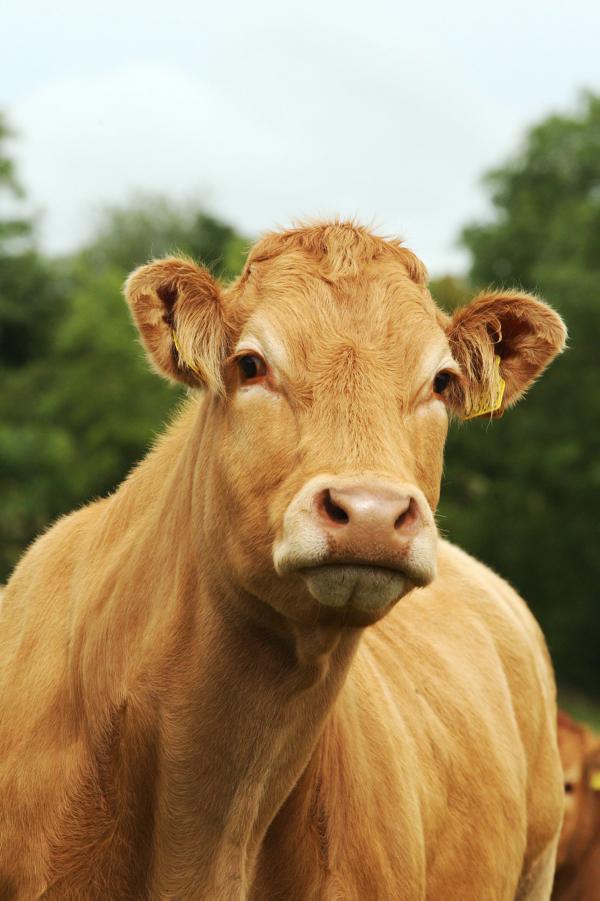
The recent high-profile incident involving Michael Healy-Rae TD, where he was attacked and injured by a suckler cow, highlighted once again the dangers that farmers and vets are exposed to on a daily basis.
These risks are exacerbated at this time of the year, when large numbers of suckler cows are calving. Farmers and vets are perhaps a little bit more vulnerable because of being over-worked and under-rested.
The most dangerous animals obviously are bulls, but the risks associated with suckler cows, especially for a few days after calving, should not be underestimated. At a recent TB test a wise farmer made the comment to me that “suckler cows are far more dangerous than bulls, because everyone is afraid of a bull, but very few are afraid of a cow”.
All vets adhere to their own safety protocols, and my policy is never to turn my back to a bull or a recently-calved suckler cow. I find the most hazardous occasions are when I am examining or treating the suckler calf, especially where the farmer is not present.
This scenario isn’t uncommon with part-time farmers. Over the phone you’re told which house or pen the calf is in, and you might get a colour description of the cow and calf. Soon the cow sees a stranger approaching and interfering with her baby, and nature’s protective instincts kick in, which means trouble for the vet.
The experience garnered over years of working with animals will help you reach the correct decision.
We sometimes take this experience for granted, and only realise how many of these snap decisions we make per week, when we are accompanied on our calls by students.
Some of the students, especially from second-level institutions, may have very little on-farm experience, with none of the evasive acumen built up, which makes it quite a challenge for the vet, who now has the safety of two parties to consider. But that’s a discussion for another day.
Donal Murphy works at Sliabh Luachra Veterinary Centre, Rathmore, Co Kerry. For further information, go to www.xlvets.ie



SHARING OPTIONS