


Lice and fluke: Ideally, cows and cattle should have been treated for lice at housing, if not then fast action will be required to avoid lice problems getting out of control. Where lice are active and cattle are visibly licking or scratching, treatment is required, even if treated previously. Ideally the second treatment should take place about two to four weeks after the first treatment to kill the lice which were eggs at the time of the first treatment. Ensure the product used is effective on biting and suckling lice and mange mites. Where weanlings and finishing cattle are housed, several farmers opt to clip the backs of cattle. This reduces sweating in sheds and also results in reduced cover for lice. Most finishers will treat for fluke at or shortly after housing. In some cases, farmers will wait until cattle are six to eight weeks housed to treat for fluke to let fluke mature. If the burden is high, faster action may be necessary. Having faecal samples analysed may give a clear picture. If using an Oxyclozanide dose to treat for rumen and liver fluke, remember that this will only kill mature liver fluke, and efficacy can be variable.
Weighing cattle: In most cases, cattle have been housed for a month to six weeks, while finishing cattle may be longer housed at this stage. Over the holiday period, there may be a few extra pairs of hands around, and this may be a good time to get weighing done. Now is the time to start planning. If you don’t have a weigh scales, then ask a neighbour to borrow one. If you are thinking of purchasing a weigh scales, it may be worth applying for a TAMS II grant. Under-performance over winter months will lead to increased costs of each kilo of liveweight gain. Weighing cattle to check performance is critical. Front-loading of winter concentrate supplementation also helps to reduce the risk of underperformance before you know the weight gains.
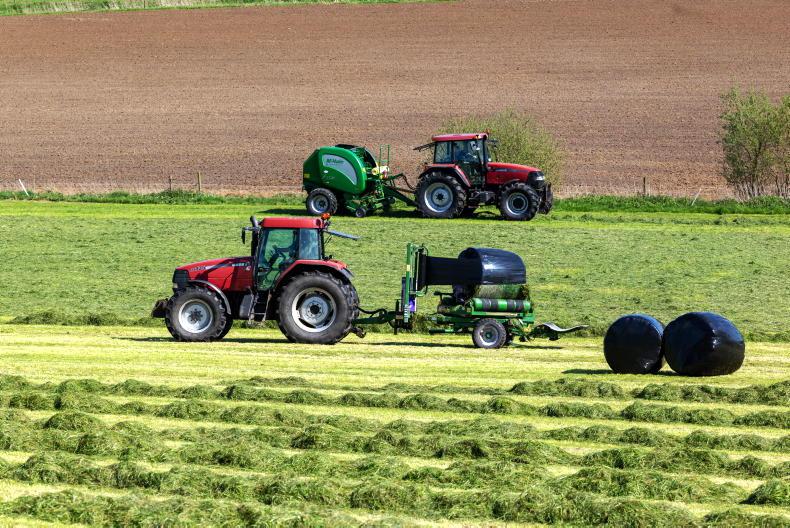
Flooding advice: The key advice from Padraig O’Kiely, Teagasc, in relation to flooding around silage bales and pits, where pits are flooded, damage to pits is usually quite modest. He said that bales can last a few days in a flooded area provided that the plastic is not breached. Well-formed and well-wrapped bales will be least susceptible to flood risk. However, it is only at feeding that you will be able to assess the damage. If the silage is spoiled, then you should opt to bring in silage, or feed straw and 3kg per day of a 16% ration to dry suckler cows in BCS of 2.5 to 3.0 along with minerals. I have heard of a number of farmers who have had slatted sheds flooded over the past few weeks. Because we are still in the closed period for slurry spreading, the only advice that can be given is to move cattle to unaffected sheds where possible. Another option is to export the slurry to a neighbouring farm where fertiliser plans allow once flooding has subsided. More details for farmers that have been flooded are available on P6-7.



SHARING OPTIONS