December milk supplies have decreased considerably in co-ops around the country but the net annual milk supply situation hasn’t changed.
ADVERTISEMENT
Reducing Milk supply: While December milk supplies have decreased considerably in co-ops around the country, the net annual milk supply situation hasn’t changed. Our survey results this week show processors will be about 7% over quota compared to the end of December 2013. It is up to each individual farmer to take control of their own supply. We have known for the last number of months that this was coming. There are a number of things farmers can do within the farm gate. It is up to you to put a plan in place over the next number of weeks to reduce your exposure to a superlevy bill.
Feed less meals: This obviously depends on grass and silage availability and the type of herd you have, but even high-producing cows can be cut back in meal or at least meal can be targeted better to the higher-producing cows. The quality of feed will also need to be assessed. Feeding a high-protein ration will not make sense as it will drive milk per cow and burn off condition score. For cows on grass, a 10% to 11% crude protein ration/meal will be enough if feeding less than 4kg per cow per day.
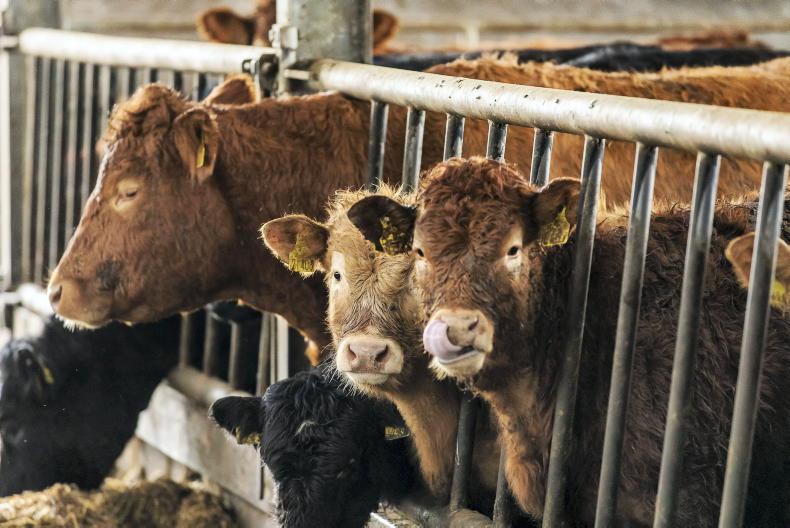
Feed more milk to calve and weanlings: Calves can drink up to 10 litres per day but you need to build up slowly and manage very tightly. You should treat milk with acids or yoghurt to prevent scouring and prolong shelf life of milk. Organise this now (barrels and acid) before the pressure of calving comes. Buying in calves is an option but this can often work out worse for the farmer because space is restricted and labour is better spent with the cows than the calves.
ADVERTISEMENT
Feed milk to yearlings: Five litres of milk has about the same feed value as 2kg of barley so if feeding meal, then maybe milk can replace it. Big blue barrels cut in half can provide the trough for drinking but again you have to build up gradually and be very careful with weanlings that gorge themselves on the milk. Leasing and milking cows once a day is discussed on page 23 this week and all farmers should consider the situation for themselves.
Milk fever: This is always a contentious issue with spring- and autumn-calved cows. Some of the practical tips include:
Feed silage or hay rather than fresh pasture and supplement with ground limestone as soon as possible after calving.
Reduce pasture to springing cows and supplement with 20g of magnesium per cow per day before calving. Magnesium can be in the form of magnesium sulphate, chloride or magnesium oxide.
Delay first milking or only milk enough biestings for the calf.
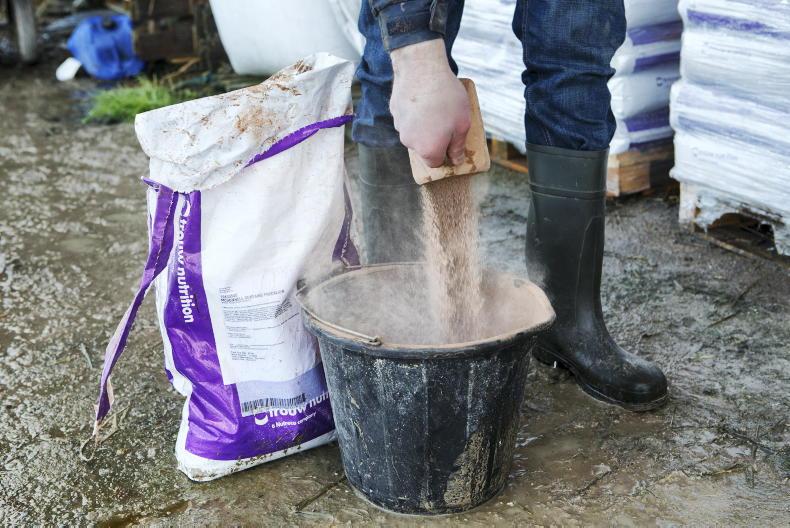
After calving, give the cow a few kilos of meal with a handful of ground limestone thrown in. Some standard mineral mixes for fresh cows are very low in calcium when cows are on more than 40% maize in the diet. If feeding over 40% maize in the diet, you should be feeding over 150-200g of calcium. To boost calcium, some farmers add limestone bought separately, or buy a specific TMR maize mineral.
Register for free to read this story and our free stories.
This content is available to digital subscribers and loyalty code users only. Sign in to your account, use the code or subscribe to get unlimited access.
The reader loyalty code gives you full access to the site from when you enter it until the following Wednesday at 9pm. Find your unique code on the back page of Irish Country Living every week.
CODE ACCEPTED
You have full access to the site until next Wednesday at 9pm.
CODE NOT VALID
Please try again or contact support.
Reducing Milk supply: While December milk supplies have decreased considerably in co-ops around the country, the net annual milk supply situation hasn’t changed. Our survey results this week show processors will be about 7% over quota compared to the end of December 2013. It is up to each individual farmer to take control of their own supply. We have known for the last number of months that this was coming. There are a number of things farmers can do within the farm gate. It is up to you to put a plan in place over the next number of weeks to reduce your exposure to a superlevy bill.
Feed less meals: This obviously depends on grass and silage availability and the type of herd you have, but even high-producing cows can be cut back in meal or at least meal can be targeted better to the higher-producing cows. The quality of feed will also need to be assessed. Feeding a high-protein ration will not make sense as it will drive milk per cow and burn off condition score. For cows on grass, a 10% to 11% crude protein ration/meal will be enough if feeding less than 4kg per cow per day.
Feed more milk to calve and weanlings: Calves can drink up to 10 litres per day but you need to build up slowly and manage very tightly. You should treat milk with acids or yoghurt to prevent scouring and prolong shelf life of milk. Organise this now (barrels and acid) before the pressure of calving comes. Buying in calves is an option but this can often work out worse for the farmer because space is restricted and labour is better spent with the cows than the calves.
Feed milk to yearlings: Five litres of milk has about the same feed value as 2kg of barley so if feeding meal, then maybe milk can replace it. Big blue barrels cut in half can provide the trough for drinking but again you have to build up gradually and be very careful with weanlings that gorge themselves on the milk. Leasing and milking cows once a day is discussed on page 23 this week and all farmers should consider the situation for themselves.
Milk fever: This is always a contentious issue with spring- and autumn-calved cows. Some of the practical tips include:
Feed silage or hay rather than fresh pasture and supplement with ground limestone as soon as possible after calving.
Reduce pasture to springing cows and supplement with 20g of magnesium per cow per day before calving. Magnesium can be in the form of magnesium sulphate, chloride or magnesium oxide.
Delay first milking or only milk enough biestings for the calf.
After calving, give the cow a few kilos of meal with a handful of ground limestone thrown in. Some standard mineral mixes for fresh cows are very low in calcium when cows are on more than 40% maize in the diet. If feeding over 40% maize in the diet, you should be feeding over 150-200g of calcium. To boost calcium, some farmers add limestone bought separately, or buy a specific TMR maize mineral.
If you would like to speak to a member of our team, please call us on 01-4199525.
Link sent to your email address
We have sent an email to your address. Please click on the link in this email to reset your password. If you can't find it in your inbox, please check your spam folder. If you can't find the email, please call us on 01-4199525.
ENTER YOUR LOYALTY CODE:
The reader loyalty code gives you full access to the site from when you enter it until the following Wednesday at 9pm. Find your unique code on the back page of Irish Country Living every week.








SHARING OPTIONS