


On the world market, prices expressed in US$ have generally trended upwards in the EU, downwards in Oceania and in mixed directions in the US. The increase in EU prices is due to an improvement in domestic prices last week, coupled with a slight change of the euro versus the US dollar.
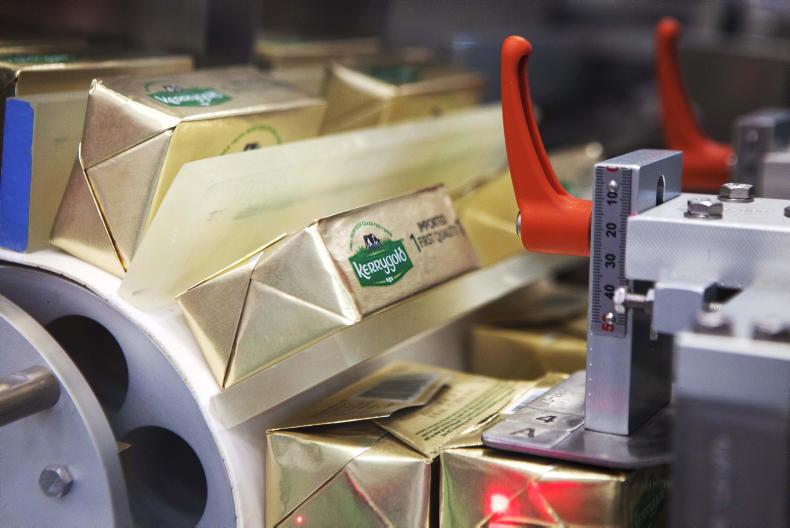
Butter continues to the most resilient EU product, showing a 2.3% price increase. In Oceania the most remarkable drop occurred for butter (-8.2%) followed by WMP (-4.2%). In the US, butter prices fell by a noticeable 3.6%. Oceania is the most competitive region for butter, WMP and cheddar and the US is the most competitive for SMP. The US is the most expensive exporting region for butter and cheddar and the EU for WMP.
Exports
The EU has increased cheese exports to all destinations other than Russia and the extended ban rumoured this week means that will continue. Up to April 2015, the US is still the main outlet for EU cheese exports. Japan is the second in the ranking (remember Holland, Germany and Denmark account for 67% of these exports).
EU butter exports have expanded in its main destinations. Saudi Arabia ranks first in April, closely followed by Egypt and the US. Algeria is still the main outlet for EU SMP exports. Egypt is the second destination for EU SMP, while the main export destination for WMP is still Oman.
New Zealand increased its exports in the first four months of 2015 by 35% for SMP and 22% for cheese, while butter and WMP volumes fell by 6% and 7% respectively. Milk production in the US increased by 1.7% in April 2015, meaning a cumulated increase of 1.8% in the year. For April 2015, the US milk price is reported at 36.5 c/kg (+8% in two months but 16% lower than last year).
Demand
On the demand side, China is still the main world importer of dairy products (in milk equivalent) despite the decrease observed for most of the products this year, which range from -53% for WMP to -10% for whey.





SHARING OPTIONS