


Think of American food and three symbols come to mind – fast-food restaurants, hamburgers and big steaks. It is well known that Americans like their beef. And they eat a lot of it, with the average American consuming 25kg per year. That is about 50% more than the average Irish person who consumes as little as 16kg.
Americans don’t see beef as such a luxury as the Irish do, choosing beef more times in the week than any other protein source. They are now also eating an increasing amount of mince and burgers driven by a gourmet burger boom. And recent trends show that millennials, those born between 1980 and 2000, are eating more beef than any other generation.
American appetite for beef has been growing and has increased 17% since 2009. However, it is still 10% shy of the peaks hit in 2004. The economic recession was particularly hard on beef consumption and since then the consumer has changed their eating and buying habits.
Irish beef will not be feeding the 320m Americans. The focus will be to target the affluent groups in the northeast in cities like New York and Washington. Meanwhile, processors like JBS, with a capacity to slaughter the entire annual Irish cattle kill in just one week, will feed the masses.
Beef supply
Today, the US beef market looks particularly interesting, with US cattle prices 25% above EU prices. At retail level, the average price for prime cuts of beef has increased by 30% since 2010, while lower-value cuts (eg mince) have increased in price by 32%.
In contrast, Europe has had a short-term surplus of manufacturing beef due to the loss of the Russian market last year, exports to Turkey ceasing and the horse meat scandal in 2013, coupled with overall weak consumer demand across the region.
Market dynamics would indicate that EU prices should recover and US prices should weaken, narrowing the price gap for manufacturing beef between the two markets.
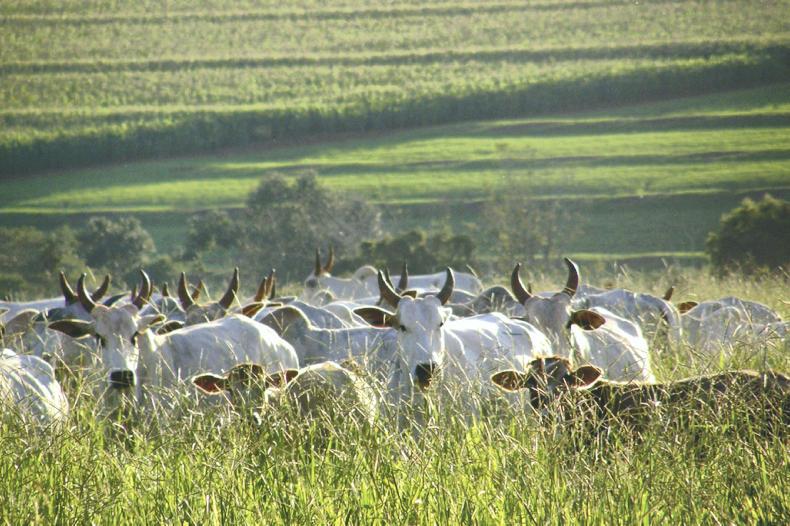
Although the market for grass-fed premium beef is small (3%), it is growing at 20% per annum. While recent studies show that consumers expect to pay higher prices, the consumer continues to be driven by price and the challenge is to get beyond this. Health is the biggest driver after price. They want natural, organic, or grass-fed.
Gourmet burgers
Americans have loved their beef in a bun ever since McDonalds opened its first fast-food restaurant in 1955.
One of the reasons for the shortage in lean manufacturing beef in the US has been a hamburger boom driven by upstart gourmet burger chains such as Smashburgers, Shake Shack and Five Guys, looking for a point of difference and focusing on higher-quality beef.
Traditionally, the burger market was dominated by long-established fast food outlets such as McDonalds, Burger King and Wendy’s, but these have been struggling in recent years as more consumers regard the menu as unhealthy, outdated and downmarket.
McDonald’s has only grown by 5% in the last number of years, while restaurants offering gourmet options have seen more substantial growth like Five Guys (32%), Jimmy Johns (30%) and Chipotle (24%).
Premium supermarkets
Another lucrative route to US consumers for Irish beef will be through retail food chains looking to source natural, grass-fed beef as consumer shopping habits change.
In 2007, just 20% of US consumers said they had purchased an organic/natural beef product. This rose to 34% in 2014, while sales of organic beef have seen a triple-digit increase since 2009.
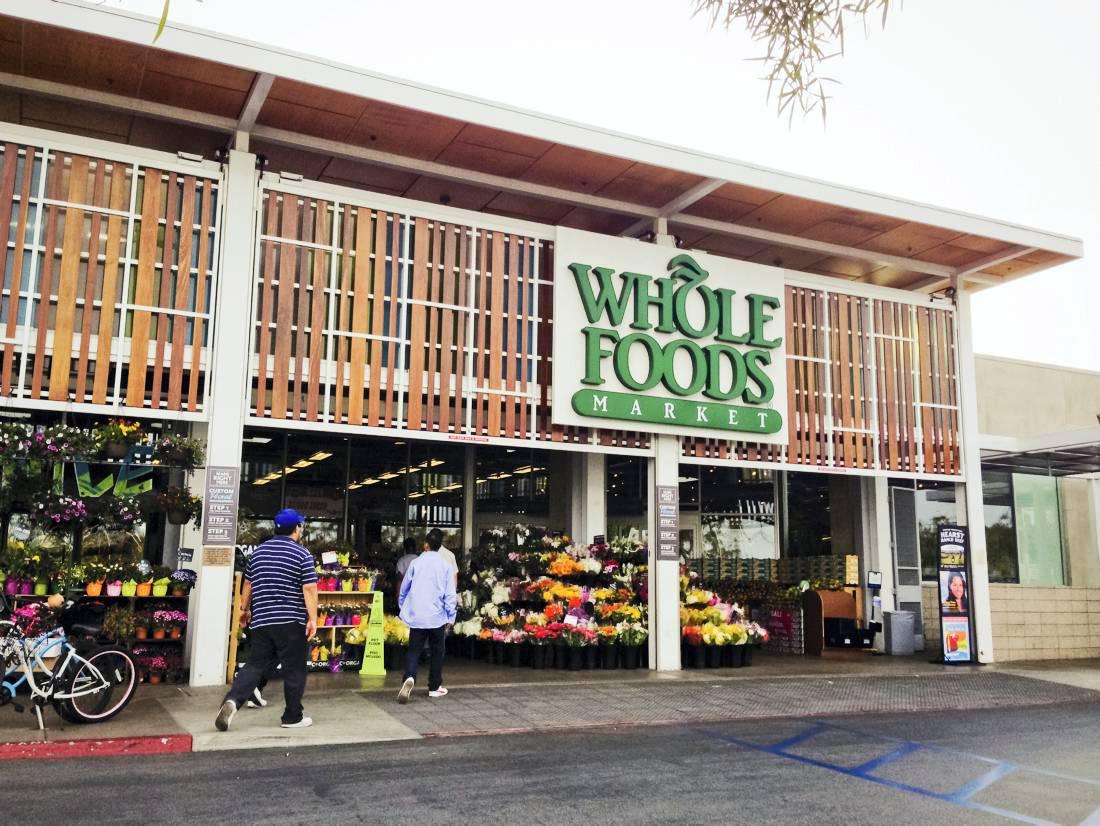
Whole Foods, the premium food supermarket with sales in excess of $14bn, is ideally suited to offer Irish beef to its affluent customer base. It strives to be the supermarket of choice for consumers aspiring to a healthier lifestyle. With almost 400 stores across the US, Irish grass-fed beef is the perfect fit.
Premium restaurants
Americans love to eat out, with 40% of American meals eaten outside the home and each week, one in three Americans visits a fast food restaurant.
This ensures that food service accounts for the largest slice of the US beef market (60%) with the balance going to grocery retail.
Food service is growing at 3% per annum and restaurants are looking for a point of difference. Irish beef could offer that branded proposition for their menu.
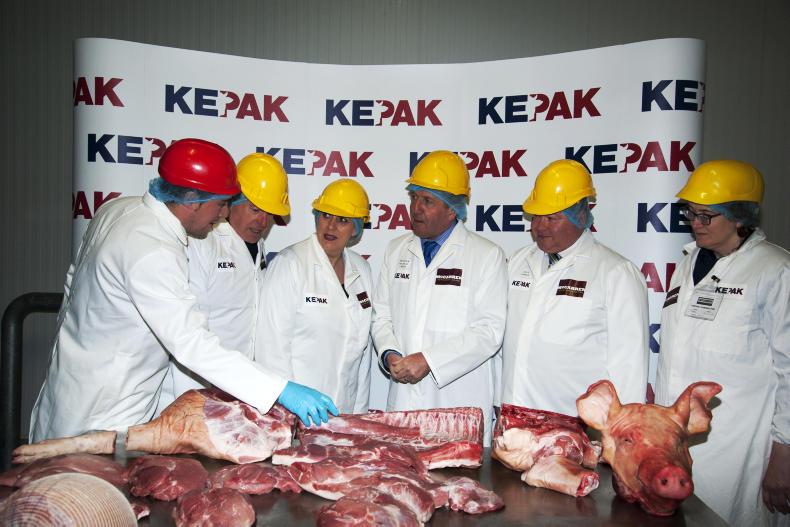
The opening of the US market to Irish beef is welcome. An additional market reduces risk through diversification. The processors will manage markets and volumes to ensure yields are met. And having another market makes their job that bit easier, shifting volumes and cuts between markets depending on where the highest total return is, be that Britain, the US or Europe.
In the short term, the tight supply of beef and record prices make the US a potentially valuable market for manufacturing beef. In the longer term, the US will be a niche low-volume market for high-value products such as premium steak cuts. The question remains – how much of a premium will the US consumer be willing to pay for Irish beef?
The industry still needs to do more to innovate and make consumers excited about eating beef. Beef can be positioned as an indulgence worth a higher price tag, but this must mean a higher quality.
It is likely that about 50% of the product mix will be in the form of burgers/mince or raw material for burgers in the future. Currently the market remains closed to burgers produced in Ireland. Perhaps there may be an opportunity for an Irish company to set up a plant manufacturing burgers from Irish beef in the US.
The long-term challenge for the industry will be to fully maximise the potential of the market for Irish farmers. This may well depend on external factors, outside the control of Irish processors, such as US supply and therefore price of beef in the US.
The near-term challenge will be to establish and differentiate Irish beef in a crowded market. Just the same as Argentinian beef, New Zealand lamb, Swiss cheese and French wines, Irish beef needs to develop a name for itself that represents the very best.
This will be the job of Bord Bia and will need to be backed by a large marketing and promotion campaign. It will not come cheap but is a prerequisite.
Shipping small quantities half way round the world is far more complex than sending a truck to Britain. In the US, it costs almost as much to ship 100 pounds of beef across a large city as it does to ship one tonne across the country.
The aim must be to build credible business relationships. But the US will not be the solution to the Irish beef industry’s woes – it will just be another tool to manage the overall market.
There is a false perception in agriculture that the emergence of a niche market provides for product differentiation.
Differentiation is only of value if it is specific to a product. So we need to convince US grass-fed beef eaters that our product is better than our competitors’.
One way of doing this is to create a brand like a “Kerrygold Irish grass-fed beef”.
If no brand is created, any niche market simply puts us in a different commodity market.
The advantage of a niche market is that it provides the opportunity to differentiate the product.
If all players go to the US and compete selling Irish grass-fed beef, the value will be destroyed and the Irish farmer may see no increased return.



SHARING OPTIONS