In terms of prevailing worm risks, we are a number of weeks into what is defined as the high-risk period for lungworms and in the early days of gutworm season. However, be it worming or slurry spreading, we all know the fragilities of a farming strategy based on the calendar.
We have been hearing of sporadic cases of lungworm for six weeks at this stage. Interestingly, some of these cases have come in mature cows, with the following symptoms exhibited:
Deep, ‘‘barky’’ cough, with head extended at a low level and tongue out.
Notable reduction in condition relative to typical June (emptiness, rough hair and ribs visible).
Reduced number of animals chewing cud when entering the field.
One of more cows in the group developing pneumonia after an additional stressors such as showery weather, handling or clamminess.
Immunity
ADVERTISEMENT
Cattle develop immunity to both lung and gutworms while grazing and being continually exposed to the organisms.
This does not mean that we should stop dosing – even with a rigid dosing strategy there will usually still be enough worms present in a pasture to develop immunity.
After two grazing seasons, animals will generally develop an immunity to gutworms.
In the case of lungworms, animals develop immunity quickly – in a matter of months – but need continuous exposure to maintain this.
This is likely why we are seeing mature cows show symptoms of lungworm infection out of the blue.
The 10 commandments of worm control
1. Faecal egg count (FEC)
If there are no visual signs of a worm problem, use a FEC to determine when animals need to be dosed.
Routine dosing offers little benefit if there is a low worm burden present and will increase anthelmintic resistance.
Take 10 to 12 fresh dung samples from calves, stores and lambs for each FEC. Use a FEC test to monitor how effective the wormer was at killing eggs.
2. Delay first dose
To encourage natural immunity to worms, cattle need to have some level of exposure during their first grazing season.
Delay dosing spring-born calves until mid-June so that worms will have completed a full lifecycle in the animal. Normal dosing routine should then be followed.
3. Weigh cattle at dosing
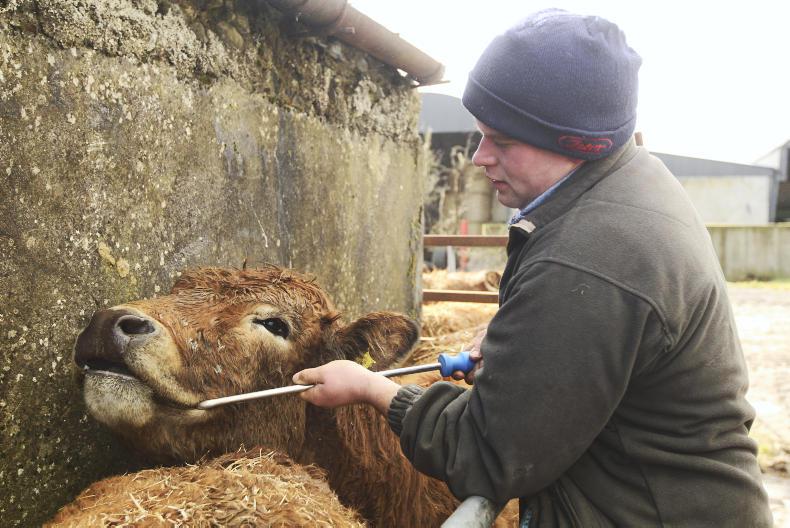
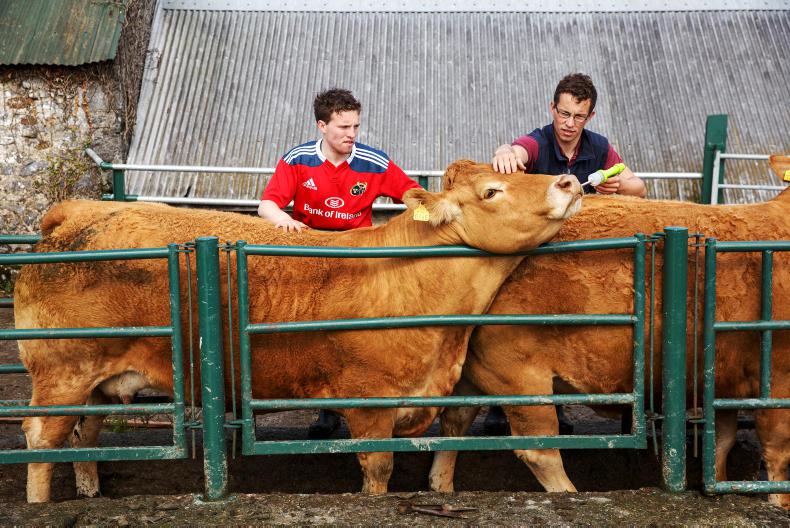
Guessing the weight of an animal means there is a risk of underdosing cattle. Therefore, animals will not be properly treated.
4. Dose to the heaviest animal
If you cannot weigh cattle, group cattle to size and set the gun to the heaviest animal in the group to give effective treatment cover.
5. Apply pour-on properly
Run cattle through a race so that a pour-on drench can be correctly applied to cattle on the back.
6. Do not dose and move
Rather than moving animals to clean pasture after dosing, return cattle to the paddocks they were in for another two to three days to reduce contamination of clean grazing.
7. Mixed grazing
Mixing cattle and sheep helps to dilute the worm burden on pasture.
As mature cows have natural immunity and can consume larger quantities of grass, they will also ingest high levels of worm eggs reducing the worm burden for younger animals.
8. Follower leader grazing
Where calves or lambs are weaned, a follower leader system can help to offer clean grazing to young stock.
Allow calves and lambs to graze for one to two days before moving on to the next paddock. Use cows to clean out the paddocks afterwards.
9. Change wormers
Rotate worming products to reduce resistance and get a more effective kill and cover period.
10. Put bought-in stock on to contaminated pasture
Bought-in cattle have a different health status to home bred animals. Put bought-in animals on to “contaminated” pasture until they have been dosed.
This content is available to digital subscribers and loyalty code users only. Sign in to your account, use the code or subscribe to get unlimited access.
The reader loyalty code gives you full access to the site from when you enter it until the following Wednesday at 9pm. Find your unique code on the back page of Irish Country Living every week.
CODE ACCEPTED
You have full access to the site until next Wednesday at 9pm.
CODE NOT VALID
Please try again or contact support.
In terms of prevailing worm risks, we are a number of weeks into what is defined as the high-risk period for lungworms and in the early days of gutworm season. However, be it worming or slurry spreading, we all know the fragilities of a farming strategy based on the calendar.
We have been hearing of sporadic cases of lungworm for six weeks at this stage. Interestingly, some of these cases have come in mature cows, with the following symptoms exhibited:
Deep, ‘‘barky’’ cough, with head extended at a low level and tongue out.
Notable reduction in condition relative to typical June (emptiness, rough hair and ribs visible).
Reduced number of animals chewing cud when entering the field.
One of more cows in the group developing pneumonia after an additional stressors such as showery weather, handling or clamminess.
Immunity
Cattle develop immunity to both lung and gutworms while grazing and being continually exposed to the organisms.
This does not mean that we should stop dosing – even with a rigid dosing strategy there will usually still be enough worms present in a pasture to develop immunity.
After two grazing seasons, animals will generally develop an immunity to gutworms.
In the case of lungworms, animals develop immunity quickly – in a matter of months – but need continuous exposure to maintain this.
This is likely why we are seeing mature cows show symptoms of lungworm infection out of the blue.
The 10 commandments of worm control
1. Faecal egg count (FEC)
If there are no visual signs of a worm problem, use a FEC to determine when animals need to be dosed.
Routine dosing offers little benefit if there is a low worm burden present and will increase anthelmintic resistance.
Take 10 to 12 fresh dung samples from calves, stores and lambs for each FEC. Use a FEC test to monitor how effective the wormer was at killing eggs.
2. Delay first dose
To encourage natural immunity to worms, cattle need to have some level of exposure during their first grazing season.
Delay dosing spring-born calves until mid-June so that worms will have completed a full lifecycle in the animal. Normal dosing routine should then be followed.
3. Weigh cattle at dosing
Guessing the weight of an animal means there is a risk of underdosing cattle. Therefore, animals will not be properly treated.
4. Dose to the heaviest animal
If you cannot weigh cattle, group cattle to size and set the gun to the heaviest animal in the group to give effective treatment cover.
5. Apply pour-on properly
Run cattle through a race so that a pour-on drench can be correctly applied to cattle on the back.
6. Do not dose and move
Rather than moving animals to clean pasture after dosing, return cattle to the paddocks they were in for another two to three days to reduce contamination of clean grazing.
7. Mixed grazing
Mixing cattle and sheep helps to dilute the worm burden on pasture.
As mature cows have natural immunity and can consume larger quantities of grass, they will also ingest high levels of worm eggs reducing the worm burden for younger animals.
8. Follower leader grazing
Where calves or lambs are weaned, a follower leader system can help to offer clean grazing to young stock.
Allow calves and lambs to graze for one to two days before moving on to the next paddock. Use cows to clean out the paddocks afterwards.
9. Change wormers
Rotate worming products to reduce resistance and get a more effective kill and cover period.
10. Put bought-in stock on to contaminated pasture
Bought-in cattle have a different health status to home bred animals. Put bought-in animals on to “contaminated” pasture until they have been dosed.
If you would like to speak to a member of our team, please call us on 01-4199525.
Link sent to your email address
We have sent an email to your address. Please click on the link in this email to reset your password. If you can't find it in your inbox, please check your spam folder. If you can't find the email, please call us on 01-4199525.
ENTER YOUR LOYALTY CODE:
The reader loyalty code gives you full access to the site from when you enter it until the following Wednesday at 9pm. Find your unique code on the back page of Irish Country Living every week.









SHARING OPTIONS