



The plot of land we’re farming at the moment forms part of a larger family farm. The majority of this is leased and what we have the sheep and forestry on would always have been the last to dry out every spring.
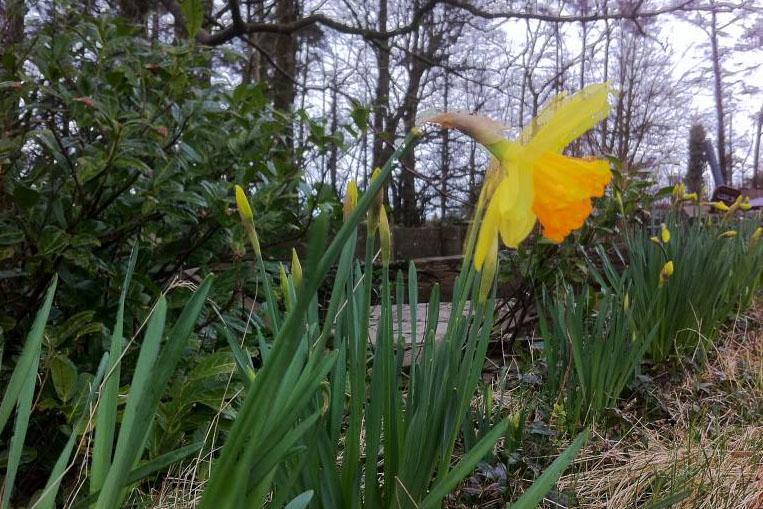
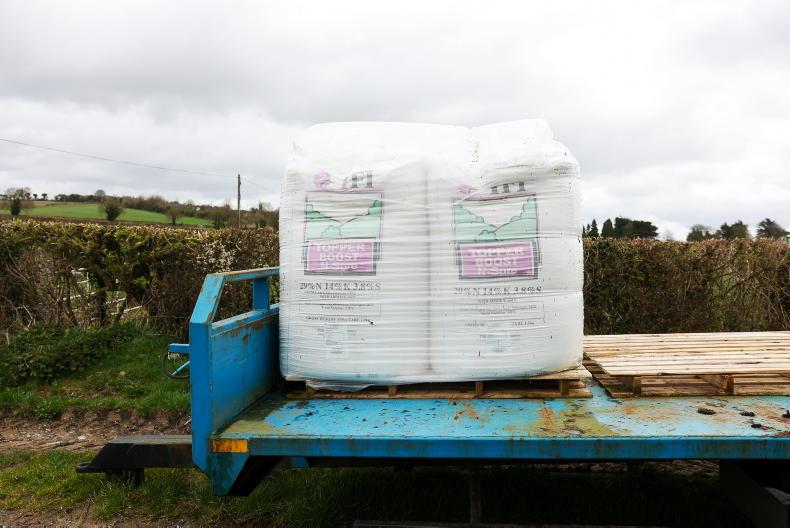
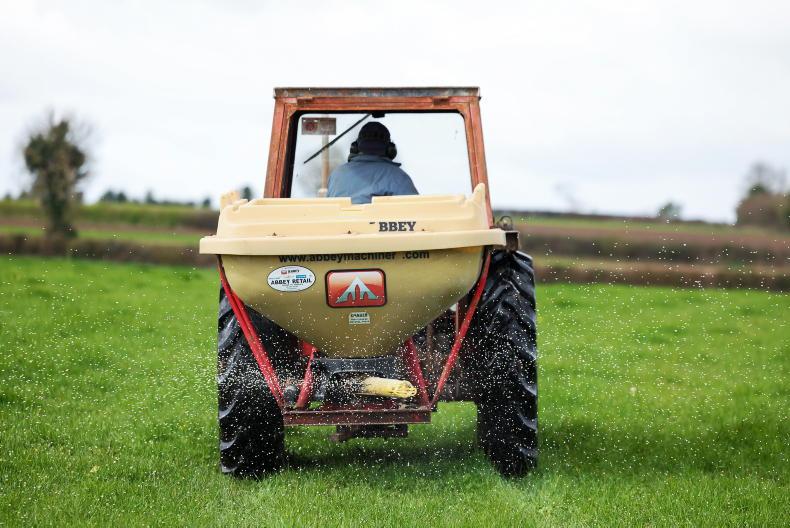
But the daffodils have finally appeared so we’re starting to think about getting fertiliser out. We have soil test results from last year and a casual chat with a neighbour gave us a very decent price for getting it spread.
This brought up a major issue for us part-time farmers: do we buy machinery ourselves and do the work, or is it more economical to contract the work out? Naturally, it depends on the amount of work you have to do, financing the purchase, time available, maintenance and a host of other variables. Given some of our variables, it would be very hard to justify buying our own machinery at the moment. We’re still really only gearing up to get the enterprise off the ground. If circumstances change or we decide to scale up in the years ahead, then we’ll re-examine what we need.
But for now, it looks like the reasonable neighbour will get to know our fields almost as well as us over the next while.
Fertiliser numbers
I’ll admit I wasn’t very good at chemistry in school. Chemicals and mass units were mostly beyond my comprehension. So, I called in to our adviser to go through the precise results from the soil test. It was like being back in the classroom again as he totted up the numbers.
And like my old chemistry teacher, all he got for his efforts was a puzzled look on my face. In fairness, he started to explain how to join the dots but saw he was fighting a losing battle and quickly just wrote down what we needed. A bag and a half of 10-10-20 to the acre.
I said it out loud. Twice. And then wrote it down on my copybook, repeating it out loud as I wrote just to be sure.
He smiled and nodded. We were on the same page at last.
We’ll repeat the dose in May when the ground temperature should be a good bit warmer and there’s more growth in the offing. Overall, we’ve more lime to go out later in the year, and some more fertiliser ‘'repair'’ work to do to bring the soil fertility up to where it should be.
Add in the cost of fencing, accountants, stock, and a host of other things, and all of a sudden we’re starting to really ramp up the set-up investment. This farming business, part-time or not, is definitely not for the faint-hearted. Or the non-chemically minded.



SHARING OPTIONS