



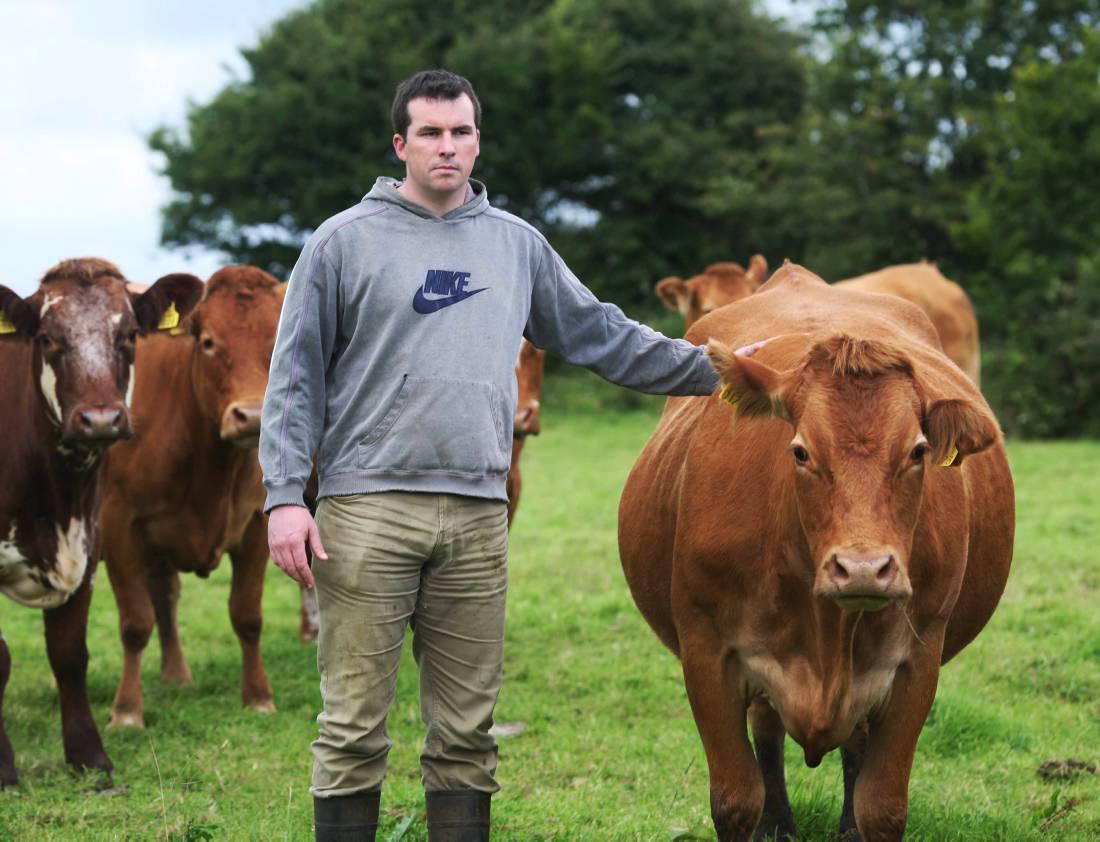
From having a shortage of grass, with many cattle still indoors, to current growth rates where growth has finally taken off and supply is now well ahead of demand.
We had our first discussion group meeting of the year at the end of April and from discussing how calving went to current grass supply, most farmers were in the same boat. Calving was almost finished. However, the lack of grass on farms was a common theme.
The discussion then moved to fertiliser – how much had been spread to date and when was it spread. Here there was some variance between farmers, with land type and stocking rate the main reasons for the variation across farms.
The lesson I took from this discussion was that, as suckler farmers, we are not getting out early enough in the year with our first fertiliser application.
Yes, it’s easy to say that now, with the sun shining and land dry enough for tractors and spreaders to travel on. However, in my case at least, the best response I got to fertiliser this year was ground that received a compound fertiliser on 20 March.
Growth throughout April was good and this allowed me to carry a high number of stock on this ground throughout the month without a grass shortage.
The challenge I have now is to keep ahead of grass and manage paddocks correctly to ensure that I keep enough grass in front of the cattle and that the quality of grass is kept high in order to maximise weight gain. Kilogrammes of liveweight out the gate is what counts on a suckler farm.
Paddock setup
This year, I can say that I am finally happy with my paddock setup – three grazing groups with seven to 10 paddocks per group. I’m not completely happy, as I want to improve the water setup, but I am content.
As one of these grazing groups is on ground away from home, I do not want to take surplus bales from this ground, so I will try to match stocking rate and demand to grass growth. If grass starts to become too plentiful, I will bring more stock to this ground rather than close paddocks for silage.
This should leave me with a situation where I can close up paddocks for silage on the home ground and take surplus bales off these paddocks. To date, two paddocks have been closed in addition to the usual silage ground, so more measuring and managing is the plan for the rest of May.
Farmer writes: getting the fertiliser-to-meal costs ratio right




SHARING OPTIONS