Spring may have finally sprung, but most land in the northwest is still very wet and getting fertiliser out is proving difficult. Even this week, after a few days’ drying, the rain showers are delaying fertiliser application.
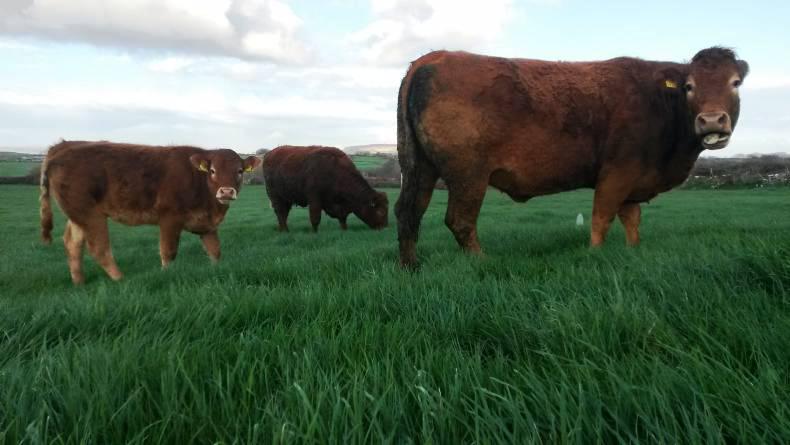
In the last week, I have managed to get all cattle out of the sheds after the winter. Based on my last grass measurement, I calculated that I had about 18 days’ grass ahead, which according to advice is more than enough at this time of year. This will allow me to close up fields for silage within the next few days, allowing an early first cut of quality silage.
Having quality silage is vital for an autumn-calving herd in order to maintain body condition on the cows during the winter. This ensures that the cow has milk for the calf and goes back in calf quickly without the need for extra meal.
With fertiliser prices lower this year compared with last year, many suckler farmers might have the option of increasing the amount of fertiliser used without increasing costs. Fertiliser costs vary hugely between farms, but typically are somewhere between 20% and 40% of a suckler-to-weanling farmer’s total variable costs.
Comparing figures
It was said to me at a discussion group meeting one time that fertiliser to meal costs ratio should be 2:1 in favour of fertiliser. Looking at my figures at the time left me thinking that this was not possible unless I seriously increased my fertiliser costs. In fact, I would have had to increase my fertiliser costs three times.
However, what I was missing at the time is that secret to getting towards this ratio was to reduce my meal bills drastically. I didn’t feel that I was using a lot of meal, or that I wasn’t using enough fertiliser, but little by little each year I have reversed this ratio to the point that meal costs were just 55% of fertiliser costs in 2015.
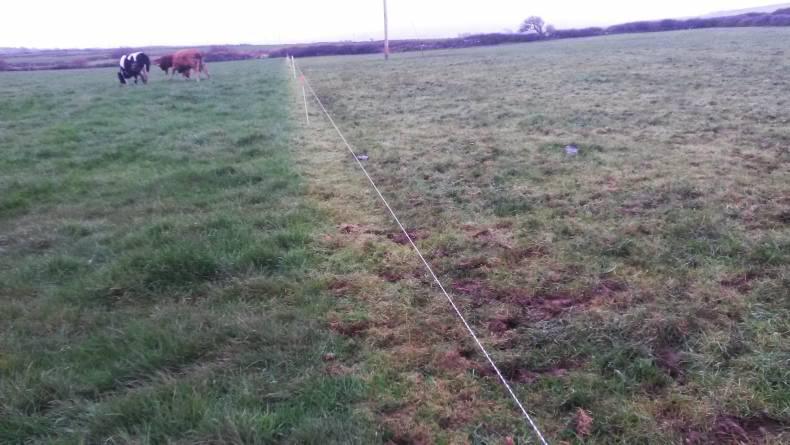
So, what changed over the last five years? Number one has to be the installation of a paddock system for all groups of stock. Number two is making better quality silage and number three is regular grass measurement.
The paddocks ensure thatI have quality grass in front of cattle at all times, quality silage ensures less meal being fed during the winter and measuring grass allows me to turnout stock earlier in the spring. All messages were learned from the BETTER farm programme.
I am constantly comparing my figures to the BETTER farm programme and, this week, there is a conference to discuss the end of phase two of the programme. These farmers give their figures freely for the benefit of others and should be commended for doing so.
Read more
Farmer writes: chalk and cheese
Farmer writes: managing cashflow and waiting for lambs
Spring may have finally sprung, but most land in the northwest is still very wet and getting fertiliser out is proving difficult. Even this week, after a few days’ drying, the rain showers are delaying fertiliser application.
In the last week, I have managed to get all cattle out of the sheds after the winter. Based on my last grass measurement, I calculated that I had about 18 days’ grass ahead, which according to advice is more than enough at this time of year. This will allow me to close up fields for silage within the next few days, allowing an early first cut of quality silage.
Having quality silage is vital for an autumn-calving herd in order to maintain body condition on the cows during the winter. This ensures that the cow has milk for the calf and goes back in calf quickly without the need for extra meal.
With fertiliser prices lower this year compared with last year, many suckler farmers might have the option of increasing the amount of fertiliser used without increasing costs. Fertiliser costs vary hugely between farms, but typically are somewhere between 20% and 40% of a suckler-to-weanling farmer’s total variable costs.
Comparing figures
It was said to me at a discussion group meeting one time that fertiliser to meal costs ratio should be 2:1 in favour of fertiliser. Looking at my figures at the time left me thinking that this was not possible unless I seriously increased my fertiliser costs. In fact, I would have had to increase my fertiliser costs three times.
However, what I was missing at the time is that secret to getting towards this ratio was to reduce my meal bills drastically. I didn’t feel that I was using a lot of meal, or that I wasn’t using enough fertiliser, but little by little each year I have reversed this ratio to the point that meal costs were just 55% of fertiliser costs in 2015.
So, what changed over the last five years? Number one has to be the installation of a paddock system for all groups of stock. Number two is making better quality silage and number three is regular grass measurement.
The paddocks ensure thatI have quality grass in front of cattle at all times, quality silage ensures less meal being fed during the winter and measuring grass allows me to turnout stock earlier in the spring. All messages were learned from the BETTER farm programme.
I am constantly comparing my figures to the BETTER farm programme and, this week, there is a conference to discuss the end of phase two of the programme. These farmers give their figures freely for the benefit of others and should be commended for doing so.
Read more
Farmer writes: chalk and cheese
Farmer writes: managing cashflow and waiting for lambs
SHARING OPTIONS