



Despite the recent wind and rain, we’ve got fertiliser spread and ground temperatures have warmed a little bit. All going well, we’ll have a decent amount of grazing in a few weeks. This means we’re finally in a position to increase our sheep numbers.
There are a few avenues open to us on this front and enquires have been quietly made with two local sheep men. While buying from a known replacement supplier might be preferable, there’s nothing wrong with a trip to the mart either— albeit 45km away.
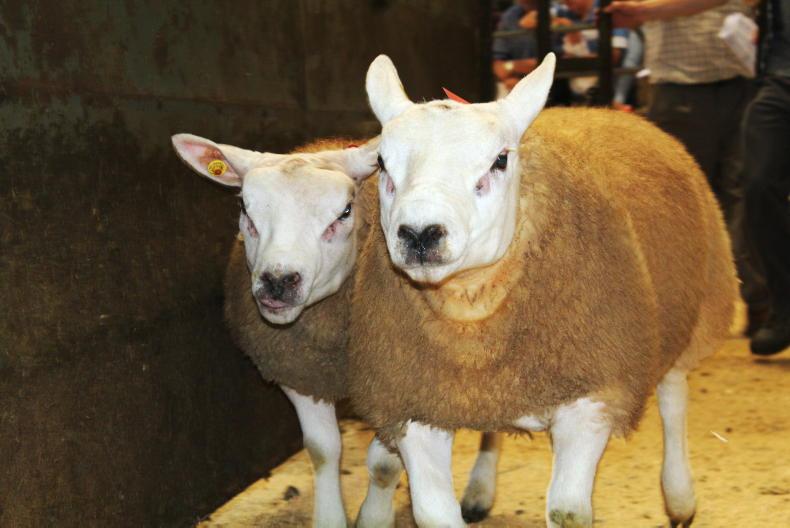
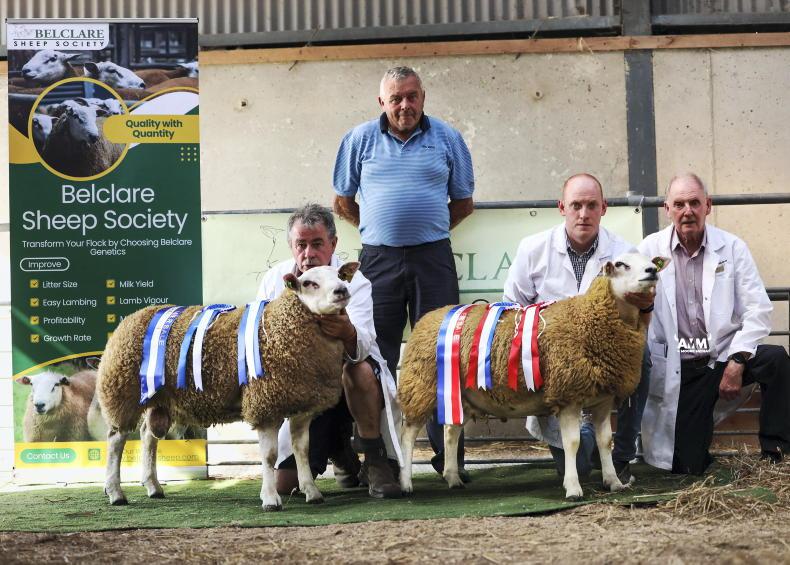
The second part of ‘Operation Increase Stock’ will see us buy a half dozen Belclare ewe lambs during the summer sales. After much research, we decided to go for this maternal breed and concentrate our enterprise on producing replacement hoggets. We’ll then supply to other sheep farmers who themselves are concentrating on producing terminal lambs.
Being part-timers means this approach takes the pressure off lambing sheep early and trying to fatten lambs for the butcher/factory as fast as humanly possible. Having hoggets as our main end product will allow us the time and space we wouldn’t otherwise have. While the margins might not be as attractive with this business model, we should still be able to make it worthwhile.
Farm versus forestry investment
As mentioned in my last column, the level of cash we’re investing has now ramped up considerably. Between fertiliser, stock, and fencing materials, the receipts are really starting to pile up. This brings into stark contrast the zero cash investment involved with the land we put into forestry.
We got a forestry company called Green Belt in to do the job and it couldn’t have gone more smoothly. They fenced off the fields, planted the trees, and helped fill out the various paperwork involved. Our contact point with them was always available, by phone and by email, with any questions we had. And he explained what was happening at each of the admin stages.
We could have done the fencing and planting ourselves, and drawn down the grant available for this work to pay the sub-contractors we’ve have had to get to help out. But forestry being a new enterprise for us and the paperwork being substantial, we decided to get the professionals to look after that side of things.
Now, we just manage the plantation and drawn down the annual tax-free premium (you still have to pay USC and PRSI though).
Before this starts to sound too much like a promo for forestry, I’ll sign off! But I would recommend anyone to consider this enterprise, especially for non-optimal agricultural land. It certainly provides a cash-flow that would otherwise be hard to maintain for a start-up farm like ours.
Lambs due
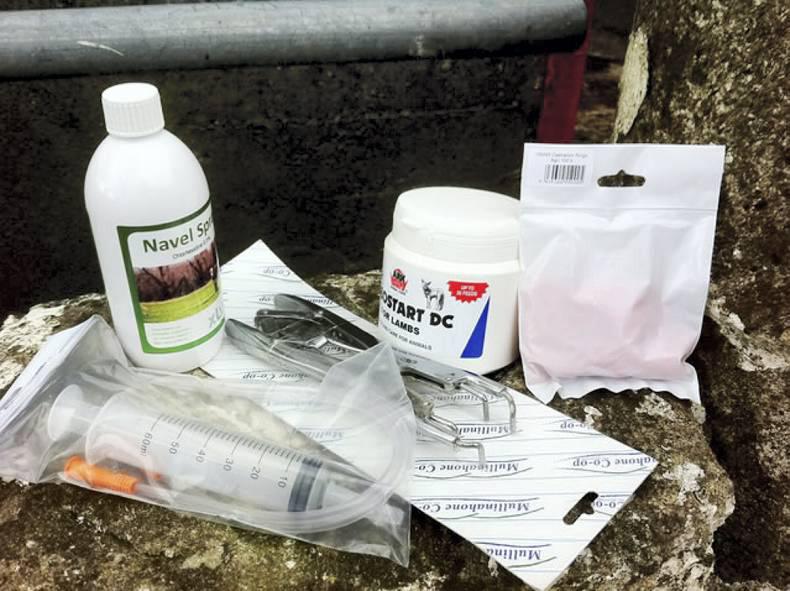
Our starter flock of ewe hoggets should start lambing this week too. It’s been a long wet winter on them, but they’re in good condition and have been moved closer to home for easier monitoring. We’ve got some vital supplies in the local vet’s office, and all we need now is some movement from the ladies themselves.
Kieran Sullivan and his brother farm part-time in Co Waterford. You can follow him on Twitter: @kieran_sullivan




SHARING OPTIONS