With two and a half weeks of life in New Zealand under my belt, I have finally started to acclimatise to the early mornings, the workload and the many meanings of the phrase "sweet as". The luxury of a lie-in is a distant memory as I'm discovering the hard way that dairy farms out here operate far less sociable hours than our farms back home.
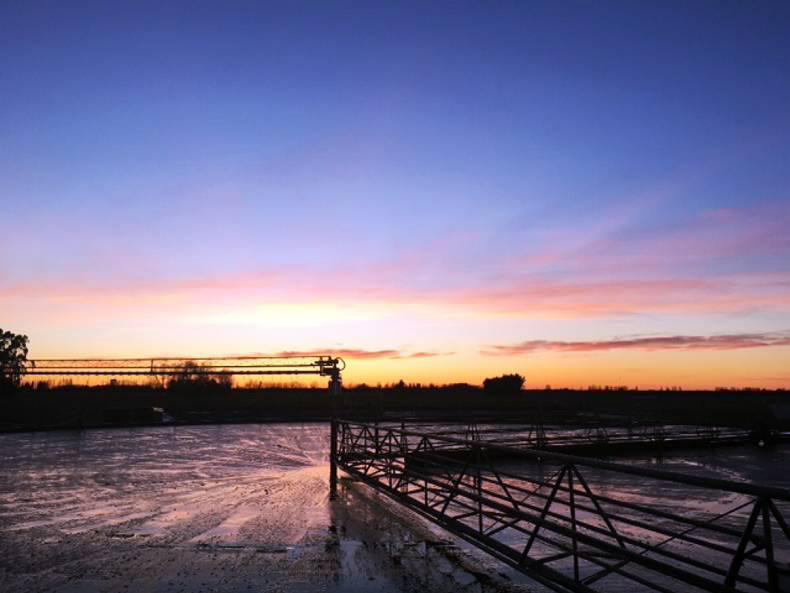
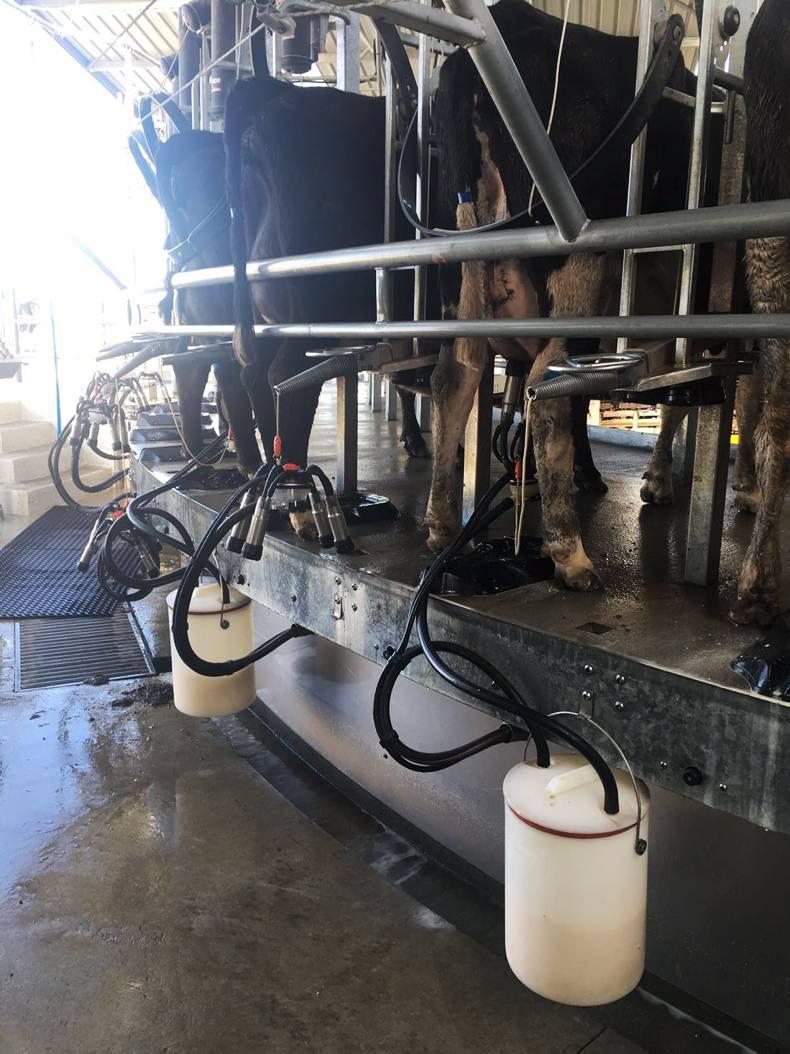
 With 65% calved, starting time has drifted back to 4.30am for cows in (with rumours of a 4am within the next few weeks), with cups on at 5am, and milking completed before the sun rises. The main herd is milked first, followed by the colostrum mob, who are milked once a day.
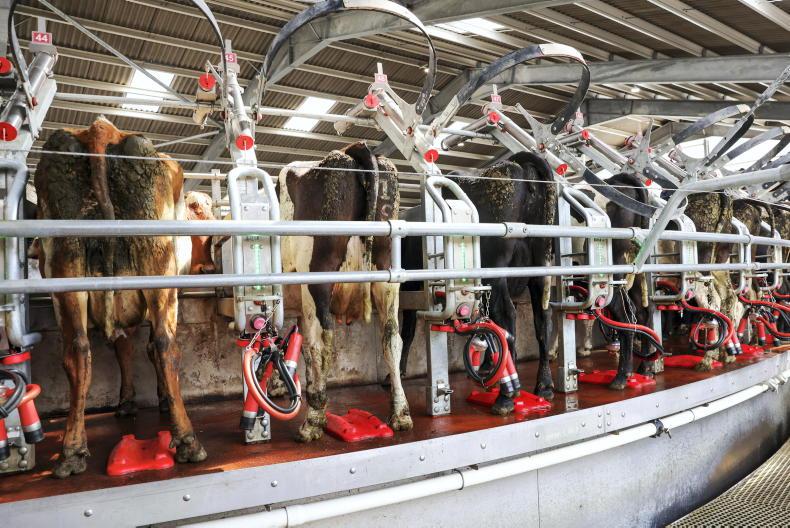
The shed (NZ word for parlour) is then scrubbed and washed down - all going to plan we get in for a bit of breakfast around 7.30am. The springer mobs are checked at 5.30am by a designated person on a roster basis, with any calves collected as the shed is being washed prior to breakfast.
Staff meeting
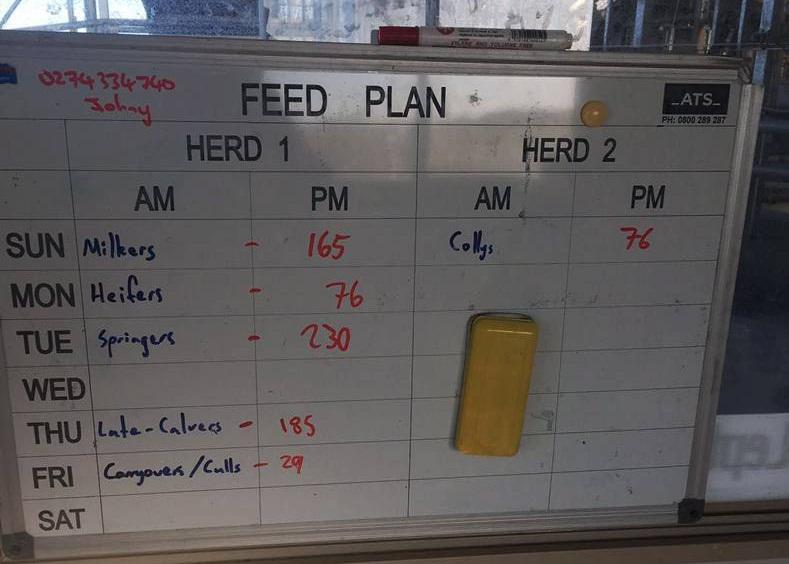
On this farm, we generally have a brief staff meeting at 8.30am to discuss what has to be done for the day, and we then go and get it done as quickly and efficiently as possible. Each morning, breaks are set up for the various mobs (milkers on 12-hour allocations, remainder 24 hours).

The springer mobs are buffer-fed a mixture of maize and hay on their grass. Fresh calvers are drafted out into a paddock beside the shed, paddocks are dusted with minerals and general maintenance jobs are carried out.
Throughout the day, the person on springers is to carry out regular checks, with a final check around 9pm.
Everyone works together to get through the workload as efficiently and quickly as possible
As soon as the mornings jobs are complete, we go for lunch. Whether that is 11am, 12pm or later, we go when the work is done. There is no such thing as dragging out tasks until a certain time or leaving work unfinished. Everyone works together to get through the workload as efficiently and quickly as possible.
After lunch, the fresh calvers are brought to the shed, where they are stripped, marked, milked and then added to the colostrum mob where they remain for four days. Cups on for the main herd at the minute is generally around 2.15 pm, with the shed all washed up by 4pm.

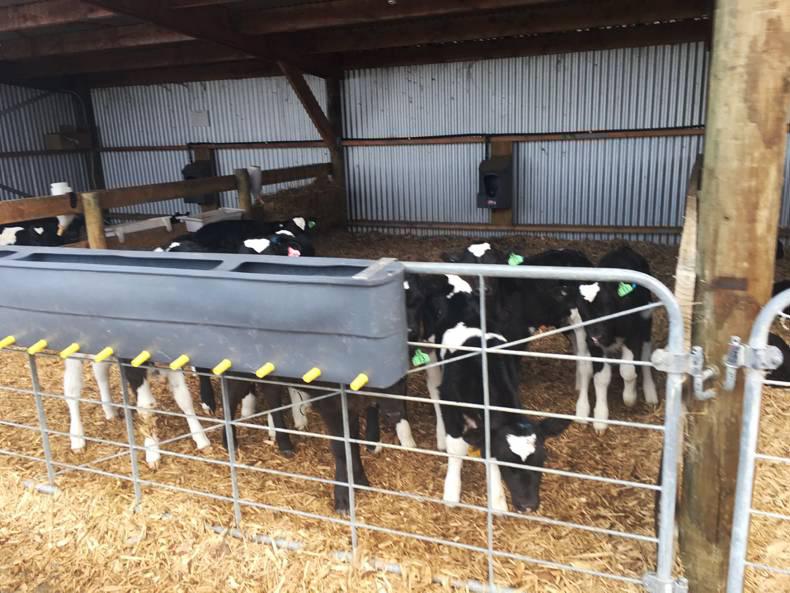
Typically any odd jobs are completed then, along with another calf collection. These calves are brought to the sheds and fed colostrum, and after a long day I'm glad to have my feet up by 5pm.
475 cows calved in one month
The first of the calves began to arrive on 20 July, so after 32 days, we are happy to have 475 cows successfully calved. In the last week, soil temperatures have improved from 4.9°C to almost 7°C today.
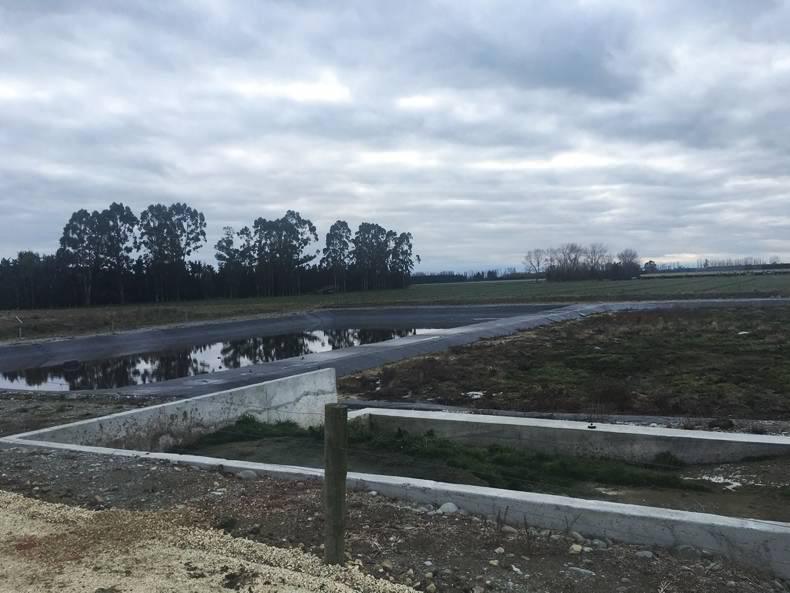
If the milder conditions are to continue, we plan to spread all grazed paddocks and possibly some lower covers with 30kg/N/ha in the next few days. This week, we emptied the parlour washings lagoon through the pivot irrigator, at a rate of 6mm on approximately 15% of the farm. This works out as 10kg/N/ha, 1.9kg/P/ha and 12.5kg/K/ha being applied to the farm based on samples of the spread washings that we have tested.

So far, we have only had 120 heifer calves suitable for breeding, but with 120 cows left in-calf to dairy AI we are hopeful of achieving our target of 180.
Utilising all available grass is a top priority on this farm
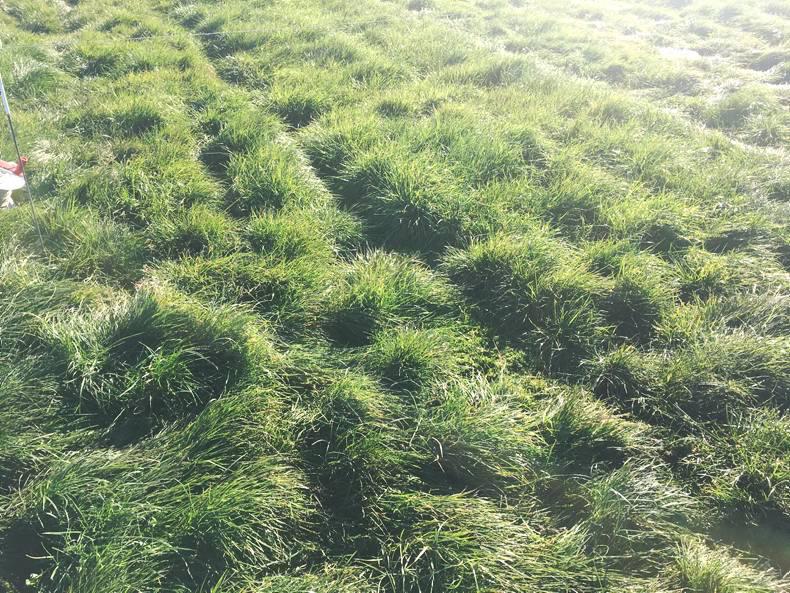
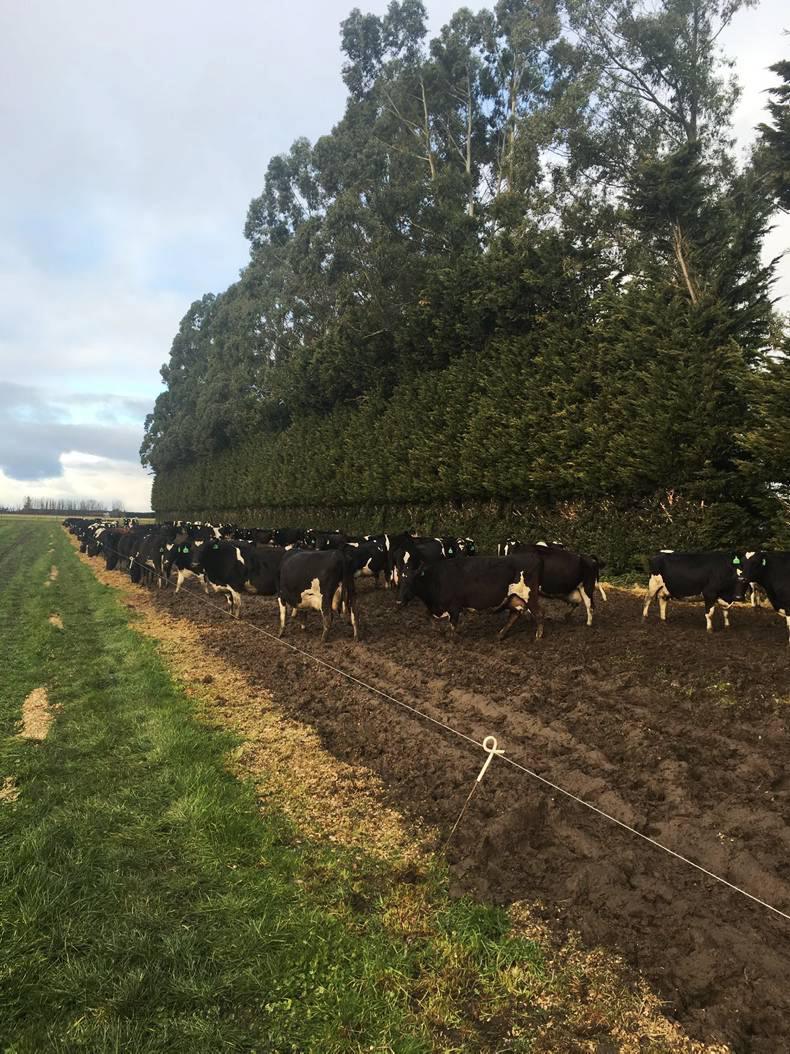
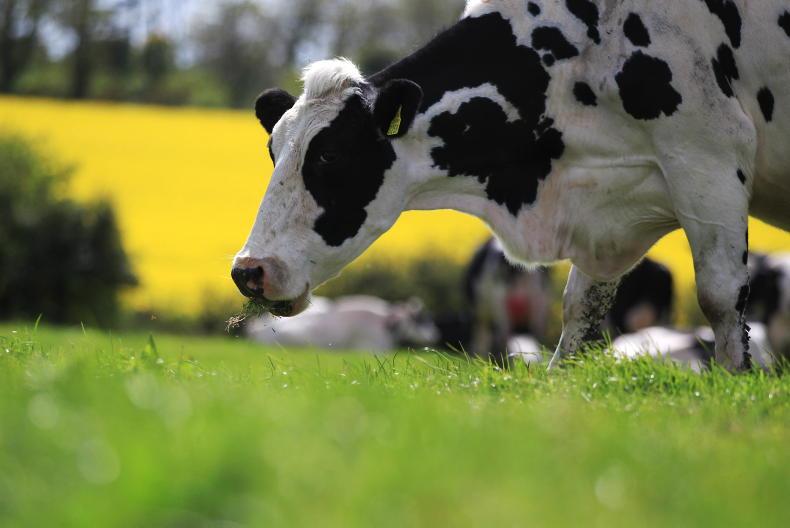
 We are currently grazing the strongest covers, with a keen eye being kept on grazing residuals. If we graze too low, cow BCS will suffer, and if too much grass is left, the quality of the second rotation will be reduced.
Utilising all available grass is a top priority on this farm and is essential in keeping in line with the spring rotation planner). The farm is on target to finish the first rotation by 25 September, but this may be brought forward if growth conditions improve over the next few weeks.
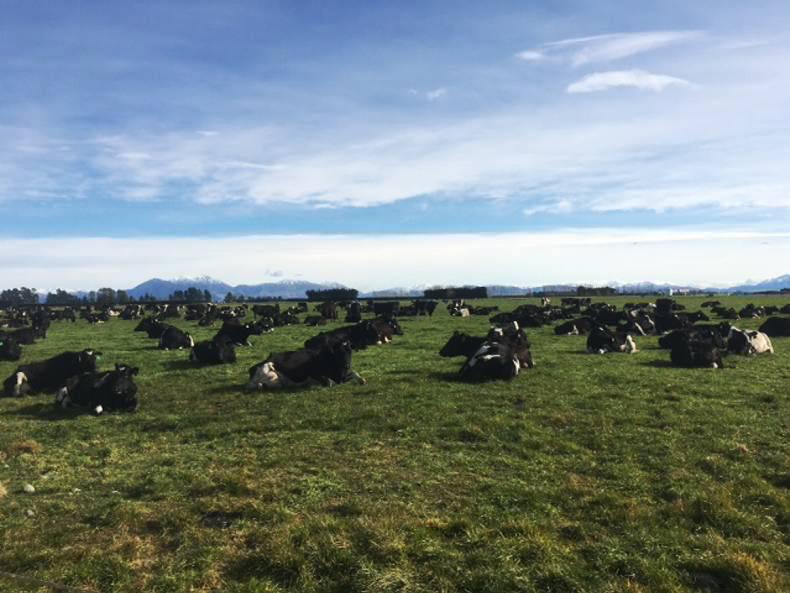
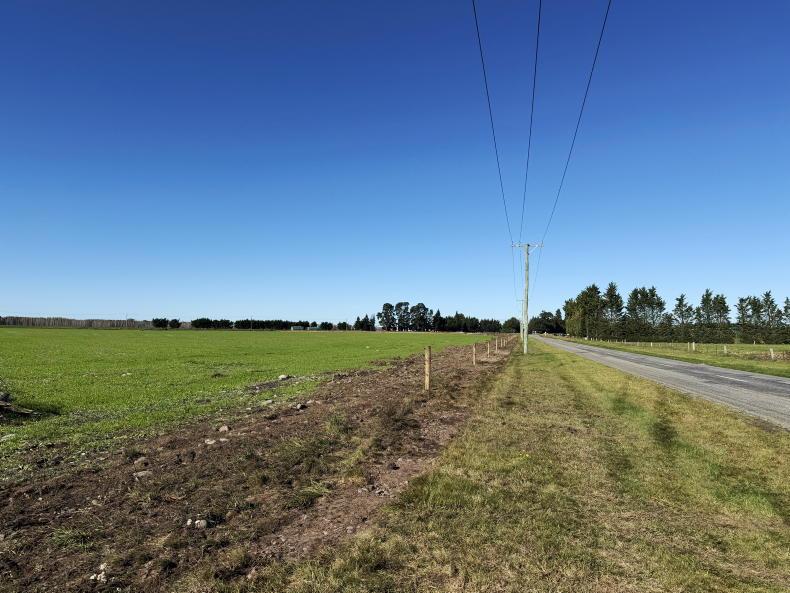
Irish farmer Michael Tobin is working on a 730-cow farm near Ashburton, Canterbury. Fairfax Bridge Farm is running a Friesian Jersey cross-bred dairy herd. The farm is run by an owner-operator with three full-time employees and a part-time calf-rearer. The farm is a recent conversion, stocked at 3.5 cows/ha on the milking platform and selling 1,750kg MS/ha.
Read more
Letter from Canterbury, New Zealand
With two and a half weeks of life in New Zealand under my belt, I have finally started to acclimatise to the early mornings, the workload and the many meanings of the phrase "sweet as". The luxury of a lie-in is a distant memory as I'm discovering the hard way that dairy farms out here operate far less sociable hours than our farms back home.
With 65% calved, starting time has drifted back to 4.30am for cows in (with rumours of a 4am within the next few weeks), with cups on at 5am, and milking completed before the sun rises. The main herd is milked first, followed by the colostrum mob, who are milked once a day.
The shed (NZ word for parlour) is then scrubbed and washed down - all going to plan we get in for a bit of breakfast around 7.30am. The springer mobs are checked at 5.30am by a designated person on a roster basis, with any calves collected as the shed is being washed prior to breakfast.
Staff meeting
On this farm, we generally have a brief staff meeting at 8.30am to discuss what has to be done for the day, and we then go and get it done as quickly and efficiently as possible. Each morning, breaks are set up for the various mobs (milkers on 12-hour allocations, remainder 24 hours).
The springer mobs are buffer-fed a mixture of maize and hay on their grass. Fresh calvers are drafted out into a paddock beside the shed, paddocks are dusted with minerals and general maintenance jobs are carried out.
Throughout the day, the person on springers is to carry out regular checks, with a final check around 9pm.
Everyone works together to get through the workload as efficiently and quickly as possible
As soon as the mornings jobs are complete, we go for lunch. Whether that is 11am, 12pm or later, we go when the work is done. There is no such thing as dragging out tasks until a certain time or leaving work unfinished. Everyone works together to get through the workload as efficiently and quickly as possible.
After lunch, the fresh calvers are brought to the shed, where they are stripped, marked, milked and then added to the colostrum mob where they remain for four days. Cups on for the main herd at the minute is generally around 2.15 pm, with the shed all washed up by 4pm.
Typically any odd jobs are completed then, along with another calf collection. These calves are brought to the sheds and fed colostrum, and after a long day I'm glad to have my feet up by 5pm.
475 cows calved in one month
The first of the calves began to arrive on 20 July, so after 32 days, we are happy to have 475 cows successfully calved. In the last week, soil temperatures have improved from 4.9°C to almost 7°C today.
If the milder conditions are to continue, we plan to spread all grazed paddocks and possibly some lower covers with 30kg/N/ha in the next few days. This week, we emptied the parlour washings lagoon through the pivot irrigator, at a rate of 6mm on approximately 15% of the farm. This works out as 10kg/N/ha, 1.9kg/P/ha and 12.5kg/K/ha being applied to the farm based on samples of the spread washings that we have tested.
So far, we have only had 120 heifer calves suitable for breeding, but with 120 cows left in-calf to dairy AI we are hopeful of achieving our target of 180.
Utilising all available grass is a top priority on this farm
We are currently grazing the strongest covers, with a keen eye being kept on grazing residuals. If we graze too low, cow BCS will suffer, and if too much grass is left, the quality of the second rotation will be reduced.
Utilising all available grass is a top priority on this farm and is essential in keeping in line with the spring rotation planner). The farm is on target to finish the first rotation by 25 September, but this may be brought forward if growth conditions improve over the next few weeks.
Irish farmer Michael Tobin is working on a 730-cow farm near Ashburton, Canterbury. Fairfax Bridge Farm is running a Friesian Jersey cross-bred dairy herd. The farm is run by an owner-operator with three full-time employees and a part-time calf-rearer. The farm is a recent conversion, stocked at 3.5 cows/ha on the milking platform and selling 1,750kg MS/ha.
Read more
Letter from Canterbury, New Zealand





SHARING OPTIONS