In just four weeks’ time, the workload on spring-calving dairy farms will have increased substantially as cows start calving. A number of factors are combining to make the spring a busier period than before.
Firstly, herd size is increasing as most farmers have expanded since quotas went. Secondly, cows are calving more compactly as better management and genetics are combining to improve the six-week calving rate. And, finally, the availability of labour to work on farms is decreasing.
This is putting extra pressure on those working on dairy farms. I have met farmers who are under so much pressure during this time that they are considering reducing stock numbers as they don’t think the extra cows are worth the extra work and they feel they are at risk of getting burned out.
In my view, this is a bad outcome. It’s not bad because the farmer isn’t milking more cows (expansion isn’t for everyone and it should only be done if it’s what the farmer really wants). It’s a bad outcome because some farmers feel they can’t expand without putting severe strain on themselves, their mental health and their family.
But does this have to be the case? In my view, a lot of the problems farmers experience in spring are due to poor practices, bad processes and to top it off a lack of skill or knowledge around managing people.
The dynamics of being an owner-operator on a 60-cow dairy farm v being the owner operator on a 120-cow dairy farm with hired help are completely different. Trying to do the same things with 120 cows as you did with 60 cows is a recipe for trouble, even with extra help around.
Time
With more cows, milking, feeding and calf rearing takes longer, so there are fewer hours in the day for other tasks such as spreading fertiliser, spreading slurry, grassland management, tending to non-dairy stock, selling calves in the mart, registering calves and attending discussion group meetings.
Farmers must realise that when their farming circumstances change, eg more cows or less help around, then the practices must change also.
Some of this is down to infrastructure. Often, cow numbers increase and the facilities on the farm catch up.
There is usually a valid reason for this as cashflow could be tight after expanding so extra milking units, calving pens and calf sheds go on the long finger. This adds to the workload as inadequate facilities eat up time.
Some farmers overcome this by alternating the milkings between different people so one person isn’t caught for them all. Others will organise for the bull calves to be sold as soon as possible or send the heifers to a contract rearer after a few days.
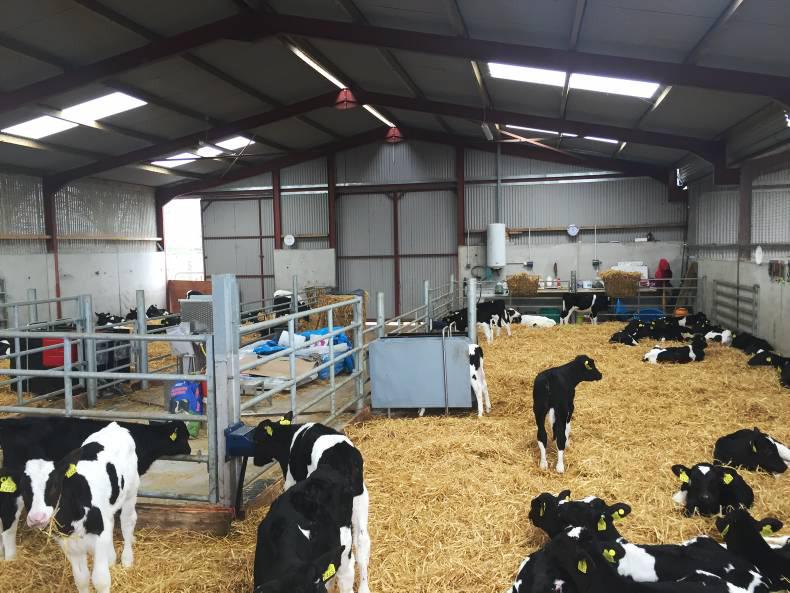
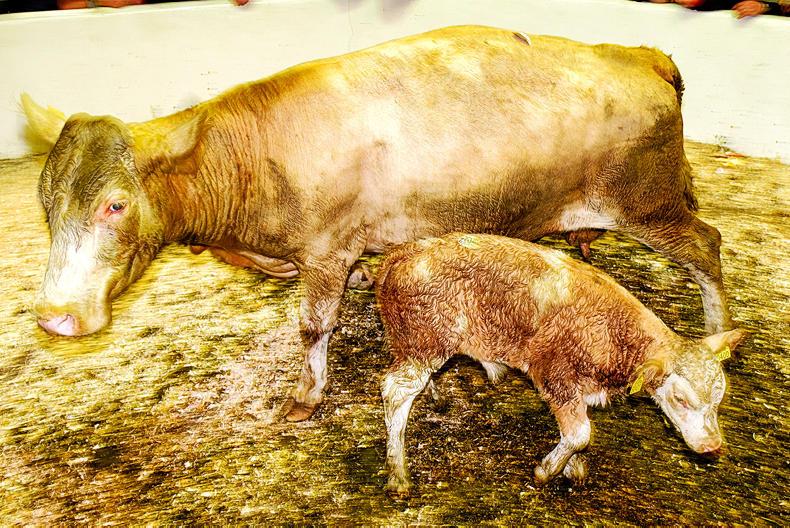
But practices must change also. Cows close to calving should be kept in a group in a straw-bedded pen and let calve there. Newborn calves should be snatched from the cow as soon as possible. Newborn calves that don’t drink should be stomach-tubed – this is fast and effective. As soon as calves are sucking from a teat, they should be moved to a group pen and fed from a multi-teat feeder.
Ask yourself what jobs you do that you don’t really need to do. Tractor work such as spreading slurry or fertiliser or feeding silage is straightforward and easy to delegate either to an employee or, preferably, a contractor. Some farmers hire a man for a few hours just to do the tractor work. They say it’s easier to find someone willing to drive a tractor than to find someone willing to milk for a few hours a day or put up reels or measure grass.
Processes
Having an efficient process makes a huge difference. Take calving, for example. Analyse what your process is around calving. The most efficient farmers will draft out springing cows from the dry cow group three or four times a week and put them into a pen on their own for extra observation. When they are near calving they are moved to a straw pen, usually adjacent.
After calving, they are moved to a colostrum mob with other freshly calved cows. They are marked and are milked separately so there is no risk of their milk entering the bulk tank. The calves are tagged, the number of the cow and the calf are recorded on a book and the calf is moved to the calf shed.
A growing number of farmers are also milking once a day during February. While February is a busy month for calving, April and May are often busier and more stressful. However, most of the heifers should calve in February and these can be troublesome in the parlour so milking them once a day until they settle is a big help.
You can’t beat being organised. Have fertiliser ordered and in the yard ready for spreading later this month or in February. Have supplies in stock, such as tags, gloves, disinfectant, iodine, feed, etc. Try to limit the amount of times you need to leave the farm on business over spring. Trips to the co-op are timely and you usually buy stuff you don’t need.
Technology
Technology has a role to play in reducing the workload. However, technology won’t make up for poor practices or bad processes. Buying a bigger slurry spreader isn’t much good if you don’t have the time to spread the slurry in the first place.
Automatic cluster removers, computerised calf feeder, robotic milking systems and automated heat detection aids all have a place on some farms, but they are not the solution to every problem. There are lots of lower cost devices that might have the same time-saving benefit, such as mobile calf feeders, outdoor calf rearing, tail paint, vasectomised bulls, etc.
People
Sourcing and managing people is often much harder and more stressful than managing cows. There is definitely a shortage of people available to work on dairy farms. This means that it is an employee’s market, so they are choosing to work on farms where the conditions are good and where the farmer is going to treat them fairly.
Good employers operate simple systems, with clear standard operating procedures. They communicate effectively by giving clear and straightforward instructions and they spend time training staff so that they can do the job well.
They have a roster in place so staff know what times they start and finish work at and what days they have off. They get time off during the day for breaks and they get paid into their bank accounts by standing order so they’re not waiting to be paid.
For more on managing people and reducing the workload on farms, check out the current edition of the Irish Dairy Farmer magazine, on sale now.
More cows, tighter calving periods and a shortage of labour makes spring a busy and stressful time.When cow numbers increase, practices must change also. Make more use of contractors.Milking once a day in February is a big help.You must become a good employer to make yourself attractive to staff. Read more
Special focus: spring planning and soil fertility
In just four weeks’ time, the workload on spring-calving dairy farms will have increased substantially as cows start calving. A number of factors are combining to make the spring a busier period than before.
Firstly, herd size is increasing as most farmers have expanded since quotas went. Secondly, cows are calving more compactly as better management and genetics are combining to improve the six-week calving rate. And, finally, the availability of labour to work on farms is decreasing.
This is putting extra pressure on those working on dairy farms. I have met farmers who are under so much pressure during this time that they are considering reducing stock numbers as they don’t think the extra cows are worth the extra work and they feel they are at risk of getting burned out.
In my view, this is a bad outcome. It’s not bad because the farmer isn’t milking more cows (expansion isn’t for everyone and it should only be done if it’s what the farmer really wants). It’s a bad outcome because some farmers feel they can’t expand without putting severe strain on themselves, their mental health and their family.
But does this have to be the case? In my view, a lot of the problems farmers experience in spring are due to poor practices, bad processes and to top it off a lack of skill or knowledge around managing people.
The dynamics of being an owner-operator on a 60-cow dairy farm v being the owner operator on a 120-cow dairy farm with hired help are completely different. Trying to do the same things with 120 cows as you did with 60 cows is a recipe for trouble, even with extra help around.
Time
With more cows, milking, feeding and calf rearing takes longer, so there are fewer hours in the day for other tasks such as spreading fertiliser, spreading slurry, grassland management, tending to non-dairy stock, selling calves in the mart, registering calves and attending discussion group meetings.
Farmers must realise that when their farming circumstances change, eg more cows or less help around, then the practices must change also.
Some of this is down to infrastructure. Often, cow numbers increase and the facilities on the farm catch up.
There is usually a valid reason for this as cashflow could be tight after expanding so extra milking units, calving pens and calf sheds go on the long finger. This adds to the workload as inadequate facilities eat up time.
Some farmers overcome this by alternating the milkings between different people so one person isn’t caught for them all. Others will organise for the bull calves to be sold as soon as possible or send the heifers to a contract rearer after a few days.
But practices must change also. Cows close to calving should be kept in a group in a straw-bedded pen and let calve there. Newborn calves should be snatched from the cow as soon as possible. Newborn calves that don’t drink should be stomach-tubed – this is fast and effective. As soon as calves are sucking from a teat, they should be moved to a group pen and fed from a multi-teat feeder.
Ask yourself what jobs you do that you don’t really need to do. Tractor work such as spreading slurry or fertiliser or feeding silage is straightforward and easy to delegate either to an employee or, preferably, a contractor. Some farmers hire a man for a few hours just to do the tractor work. They say it’s easier to find someone willing to drive a tractor than to find someone willing to milk for a few hours a day or put up reels or measure grass.
Processes
Having an efficient process makes a huge difference. Take calving, for example. Analyse what your process is around calving. The most efficient farmers will draft out springing cows from the dry cow group three or four times a week and put them into a pen on their own for extra observation. When they are near calving they are moved to a straw pen, usually adjacent.
After calving, they are moved to a colostrum mob with other freshly calved cows. They are marked and are milked separately so there is no risk of their milk entering the bulk tank. The calves are tagged, the number of the cow and the calf are recorded on a book and the calf is moved to the calf shed.
A growing number of farmers are also milking once a day during February. While February is a busy month for calving, April and May are often busier and more stressful. However, most of the heifers should calve in February and these can be troublesome in the parlour so milking them once a day until they settle is a big help.
You can’t beat being organised. Have fertiliser ordered and in the yard ready for spreading later this month or in February. Have supplies in stock, such as tags, gloves, disinfectant, iodine, feed, etc. Try to limit the amount of times you need to leave the farm on business over spring. Trips to the co-op are timely and you usually buy stuff you don’t need.
Technology
Technology has a role to play in reducing the workload. However, technology won’t make up for poor practices or bad processes. Buying a bigger slurry spreader isn’t much good if you don’t have the time to spread the slurry in the first place.
Automatic cluster removers, computerised calf feeder, robotic milking systems and automated heat detection aids all have a place on some farms, but they are not the solution to every problem. There are lots of lower cost devices that might have the same time-saving benefit, such as mobile calf feeders, outdoor calf rearing, tail paint, vasectomised bulls, etc.
People
Sourcing and managing people is often much harder and more stressful than managing cows. There is definitely a shortage of people available to work on dairy farms. This means that it is an employee’s market, so they are choosing to work on farms where the conditions are good and where the farmer is going to treat them fairly.
Good employers operate simple systems, with clear standard operating procedures. They communicate effectively by giving clear and straightforward instructions and they spend time training staff so that they can do the job well.
They have a roster in place so staff know what times they start and finish work at and what days they have off. They get time off during the day for breaks and they get paid into their bank accounts by standing order so they’re not waiting to be paid.
For more on managing people and reducing the workload on farms, check out the current edition of the Irish Dairy Farmer magazine, on sale now.
More cows, tighter calving periods and a shortage of labour makes spring a busy and stressful time.When cow numbers increase, practices must change also. Make more use of contractors.Milking once a day in February is a big help.You must become a good employer to make yourself attractive to staff. Read more
Special focus: spring planning and soil fertility






SHARING OPTIONS