


January is the month to take a step back and plan for the year ahead. It is the quietest period on spring-calving suckler and dairy farms. In this Focus, we look at what farmers should be doing this month.
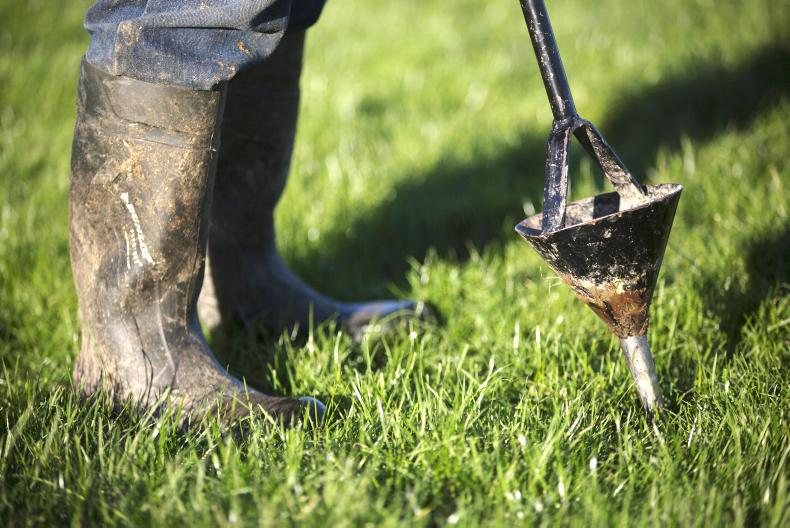
January is the traditional month for soil sampling. It is at least three months since the last application of slurry or compound fertiliser and so it is an ideal time to get it done. Aidan Brennan outlines how to do it and where the best place is to get samples tested.
Looking at our map of soil sampling services, it is clear that there is a big regional variation in the location of soil-testing labs, and a big difference in price also.
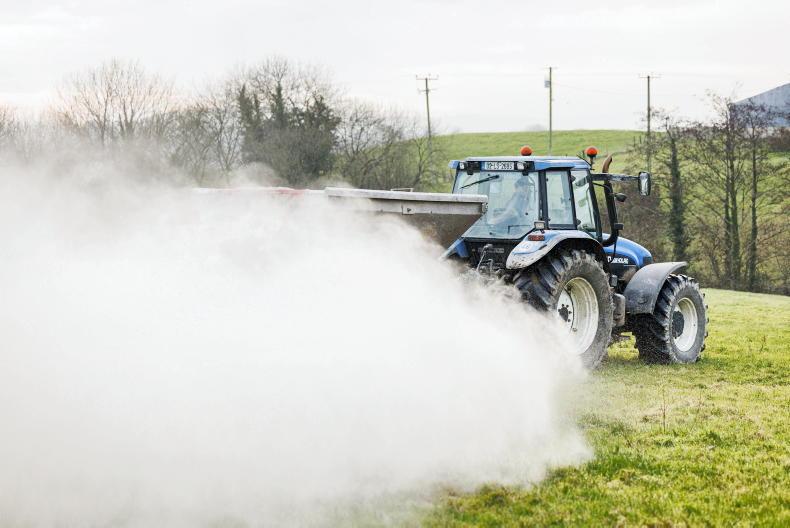
Putting the results of the soil tests into action is the message from David Wall and Mark Plunkett from Teagasc Johnstown Castle. They report on the importance of lime. The standout figure is that the use of lime in Ireland has more than halved over the last 30 years – a poor reflection on the current crop of farmers.
Silage pits
Meanwhile, Ciarán Lenehan says now is the time to measure silage pits and feed stocks and plan how much you need for the rest of the spring.
The message is clear – if you are going to be short, it is better to buy in time when silage is plentiful rather than waiting for a weather event or something else to push up demand.
Calving is a very busy and stressful time of year: Aidan Brennan outlines what steps farmers can take to reduce the workload. It’s all about being organised and having a good system in place.
Take this month to look back at past experiences and make changes to help make this spring run smoother.
Additional help
Sourcing extra help is an issue. There seems to be more people looking for help on farms than people available to work on farms. It is unlikely that this is going to change in the short to medium term.
Even getting someone to work for two or three hours a day will make a big difference. Think outside the box when looking for this help. I know on one farm where a retired nurse comes in to feed the newborn calves twice a day, which frees up about an hour a day for the farmer.



SHARING OPTIONS