It highlights the peak hatching of nematodirus larvae is predicted to be the last week of March along the south coast of Ireland, and into the first week of April for most of the rest of the country.
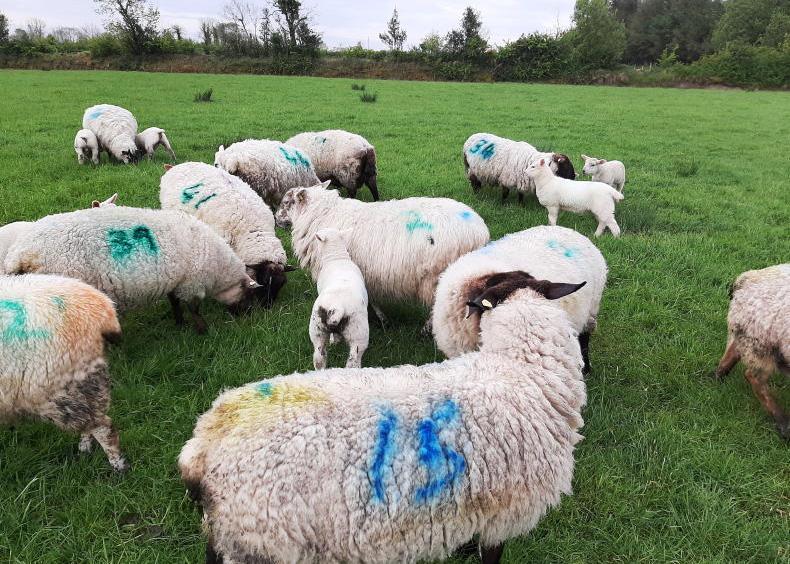
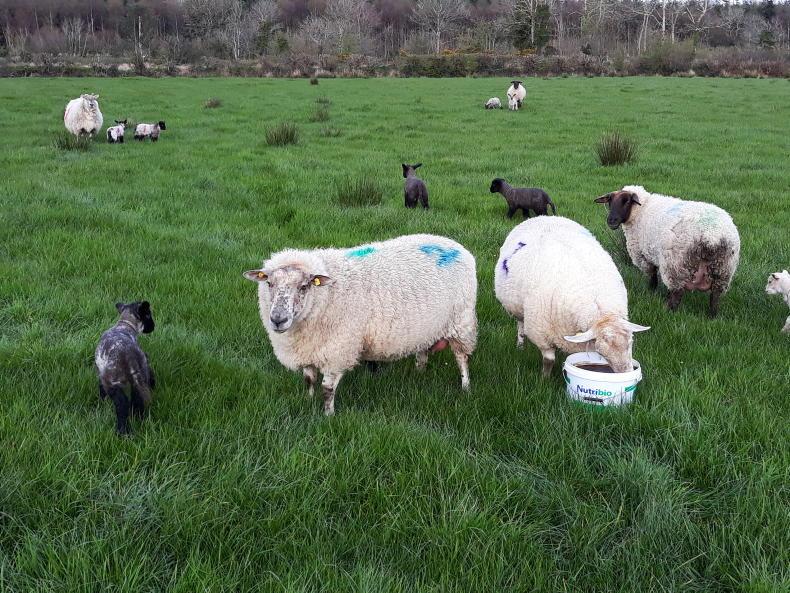
The warning advises farmers located along the south coast of the country to dose with a suitable anthelmintic by the second week of April (two weeks post peak larval hatching), while lambs at risk in the rest of the country should be dosed from mid-April depending on farm location and individual flock factors. The disease can be very severe and mainly affects lambs aged six to 12 weeks of age. Lambs consuming higher volumes of grass are most at risk. This can be influenced by ewes experiencing a period of undernourishment leading to a lower milk yield and lambs more reliant on grazed grass to maintain their nutritional intake.
It is also a higher risk in intensive systems where lambs are grazing pastures that were grazed a year earlier by ewes and lambs. Avoiding these pastures will help but this is not practical on most sheep farms. Therefore, treatment remains the most practical option to control nematodirus.
Infection is characterised by profuse diarrhoea, wasting and deaths in untreated lambs. It is important to act in time as mortality rates in untreated lambs can quickly increase. In some cases, deaths can occur before signs of scouring induced by adult worms are observed. This is due to large numbers of larvae invading the intestinal mucosa after ingestion and heightens the importance of dosing at the right time.
White drenches (benzimidazoles) are effective and recommended for use by the advisory group against larval and adult stages of nematodirus. There are no drenches with residual (lasting) activity, which means that lambs can continue to become reinfected with larvae. This is why the timing of treatment is critical and veterinary advice sought where you think your flock may be especially exposed to reinfection for any reason. A split treatment may also be needed where there is a wide spread in the lambing season. Note that faecal egg counts are not reliable for identifying the presence of nematodirus in young lambs.
Nematodirus can sometimes be confused with other parasites that cause diarrhoea. Coccidiosis will also cause severe diarrhoea in young lambs but it differs to nematodirus in that the scour is dark grey in colour and can often be blood-stained.
Read more
Early nematodirus infections forecast
Tackling nematodirus and coccidiosis in young lambs
Sheep management: water intake
It highlights the peak hatching of nematodirus larvae is predicted to be the last week of March along the south coast of Ireland, and into the first week of April for most of the rest of the country.
The warning advises farmers located along the south coast of the country to dose with a suitable anthelmintic by the second week of April (two weeks post peak larval hatching), while lambs at risk in the rest of the country should be dosed from mid-April depending on farm location and individual flock factors. The disease can be very severe and mainly affects lambs aged six to 12 weeks of age. Lambs consuming higher volumes of grass are most at risk. This can be influenced by ewes experiencing a period of undernourishment leading to a lower milk yield and lambs more reliant on grazed grass to maintain their nutritional intake.
It is also a higher risk in intensive systems where lambs are grazing pastures that were grazed a year earlier by ewes and lambs. Avoiding these pastures will help but this is not practical on most sheep farms. Therefore, treatment remains the most practical option to control nematodirus.
Infection is characterised by profuse diarrhoea, wasting and deaths in untreated lambs. It is important to act in time as mortality rates in untreated lambs can quickly increase. In some cases, deaths can occur before signs of scouring induced by adult worms are observed. This is due to large numbers of larvae invading the intestinal mucosa after ingestion and heightens the importance of dosing at the right time.
White drenches (benzimidazoles) are effective and recommended for use by the advisory group against larval and adult stages of nematodirus. There are no drenches with residual (lasting) activity, which means that lambs can continue to become reinfected with larvae. This is why the timing of treatment is critical and veterinary advice sought where you think your flock may be especially exposed to reinfection for any reason. A split treatment may also be needed where there is a wide spread in the lambing season. Note that faecal egg counts are not reliable for identifying the presence of nematodirus in young lambs.
Nematodirus can sometimes be confused with other parasites that cause diarrhoea. Coccidiosis will also cause severe diarrhoea in young lambs but it differs to nematodirus in that the scour is dark grey in colour and can often be blood-stained.
Read more
Early nematodirus infections forecast
Tackling nematodirus and coccidiosis in young lambs
Sheep management: water intake






SHARING OPTIONS