The tough spring conditions mean some farmers will need to drop ewe numbers, according to the ICSA. \ David Ruffles
ADVERTISEMENT
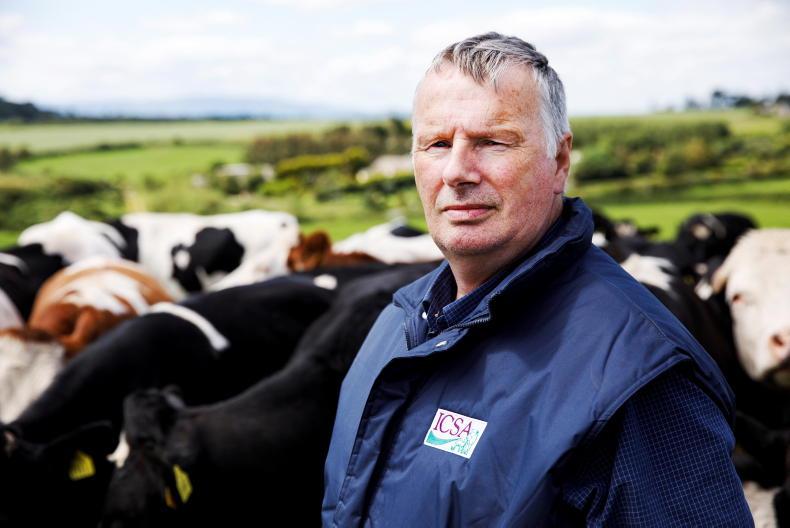
“Fodder and cashflow difficulties have come together this year and many sheep farmers have been placed in a catch 22 situation, in that if they sell stock they risk defaulting on the terms of the scheme,” said ICSA sheep chair John Brooks.
The terms and conditions of the scheme state that each participant must maintain their reference number of ewes, which is the average number of breeding ewes they declared in the 2014 and 2015 sheep census – or their latest census number for new entrants.
“Flexibility of up to 20% would be required to buffer sheep farmers," said Brooks. "This would remove the unrealistic requirement to hold onto unproductive ewes and allow them to trade normally. It would also remove the risk of a ewe tsunami and depressed prices towards the end of the year.”
This content is available to digital subscribers and loyalty code users only. Sign in to your account, use the code or subscribe to get unlimited access.
The reader loyalty code gives you full access to the site from when you enter it until the following Wednesday at 9pm. Find your unique code on the back page of Irish Country Living every week.
CODE ACCEPTED
You have full access to the site until next Wednesday at 9pm.
CODE NOT VALID
Please try again or contact support.
“Fodder and cashflow difficulties have come together this year and many sheep farmers have been placed in a catch 22 situation, in that if they sell stock they risk defaulting on the terms of the scheme,” said ICSA sheep chair John Brooks.
The terms and conditions of the scheme state that each participant must maintain their reference number of ewes, which is the average number of breeding ewes they declared in the 2014 and 2015 sheep census – or their latest census number for new entrants.
“Flexibility of up to 20% would be required to buffer sheep farmers," said Brooks. "This would remove the unrealistic requirement to hold onto unproductive ewes and allow them to trade normally. It would also remove the risk of a ewe tsunami and depressed prices towards the end of the year.”
If you would like to speak to a member of our team, please call us on 01-4199525.
Link sent to your email address
We have sent an email to your address. Please click on the link in this email to reset your password. If you can't find it in your inbox, please check your spam folder. If you can't find the email, please call us on 01-4199525.
ENTER YOUR LOYALTY CODE:
The reader loyalty code gives you full access to the site from when you enter it until the following Wednesday at 9pm. Find your unique code on the back page of Irish Country Living every week.
SHARING OPTIONS