


In recent years, sustainability has been the buzzword rippling through industries, not just in Ireland but across the globe. And while it is a factor present in all industries, it would be fair to say that this buzzword is associated more often with the food and agricultural sector than anywhere else.
However, despite the ever-increasing hype and the rapidly increasing demand for it, the most ironic thing is that there is still no clear definition for what sustainability actually is. Everyone has their ideas and more often than not, these centre around areas such as climate change, recycling, protecting the future, being healthy and even being economically viable.
But herein lies the problem. When the word sustainability is mentioned, everyone has their own idea of what it is, based on their own values and what is important to them. At the recent agri benchmark beef and sheep conference in Galway, sustainability was the hot topic of the day, and while a definition still wasn’t offered, some speakers did provide some interesting food for thought.
Defining sustainability
Livestock economist Ernesto Reyes gave an in-depth presentation on two key issues – defining sustainability and measuring sustainability. Before Reyes even began his presentation, however, he warned the audience, saying: “you will be confused” . That in itself speaks volumes about this issue.
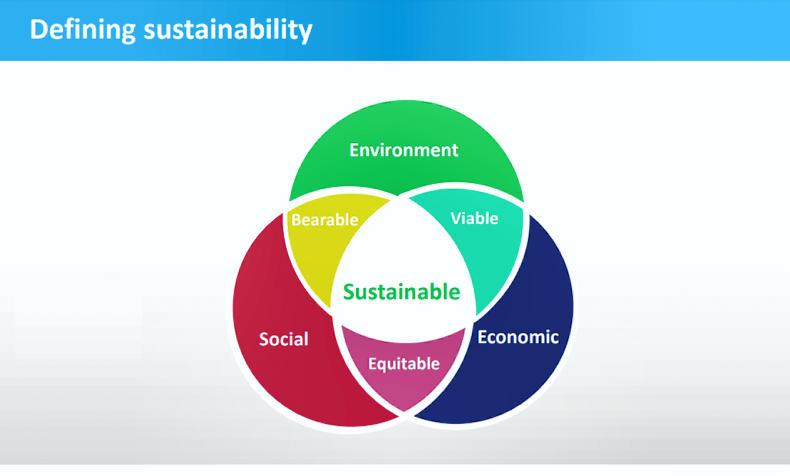
Reyes went on to outline the organisations responsible for setting sustainability criteria. Again this leads to issues, simply because there are so many trying to do so. In conclusion, Reyes identified the Global Agenda for Sustainable Livestock and the Global Forum for Food and Agriculture as being two of the main sustainability players. In defining sustainability, Reyes admitted “the goalposts are constantly moving”. However, he displayed a graph outlining the key components of sustainability, shown in image 2.
Measuring sustainability
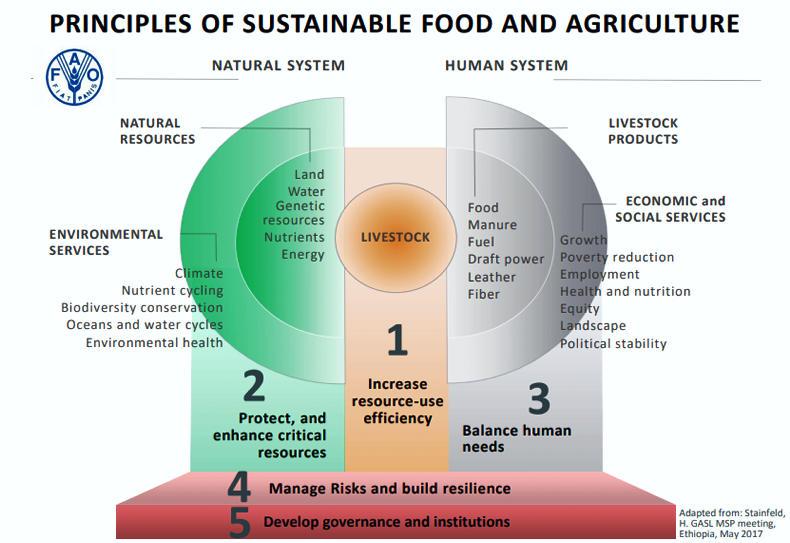
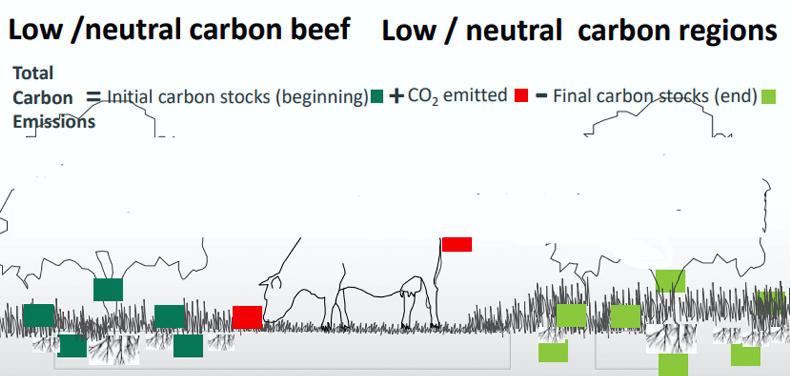
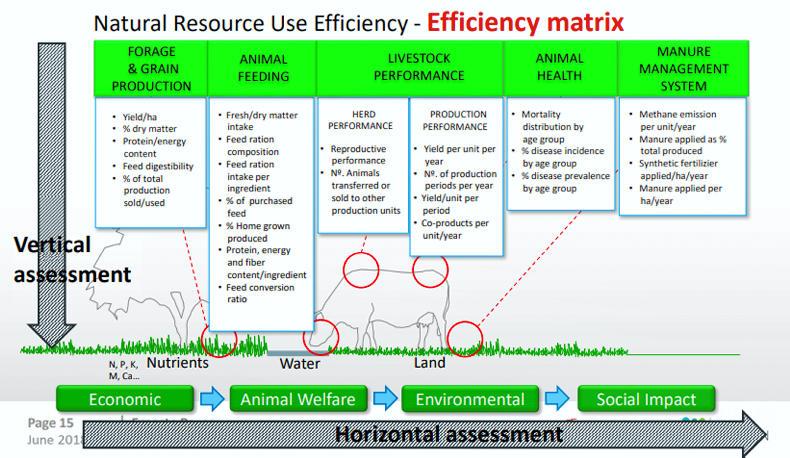
Reyes then went on to describe the efficiency matrix which is used to measure the sustainability of beef systems across the world. The matrix is based on a simple theory of:
Total Carbon Emissions = Initial carbon stocks + CO2 emitted - Final carbon stocks
Shown in image 3, this basic equation is then used to form a matrix, displayed in image 4, which takes into account vertical and horizontal assessment criteria.
Where does Ireland fit in?
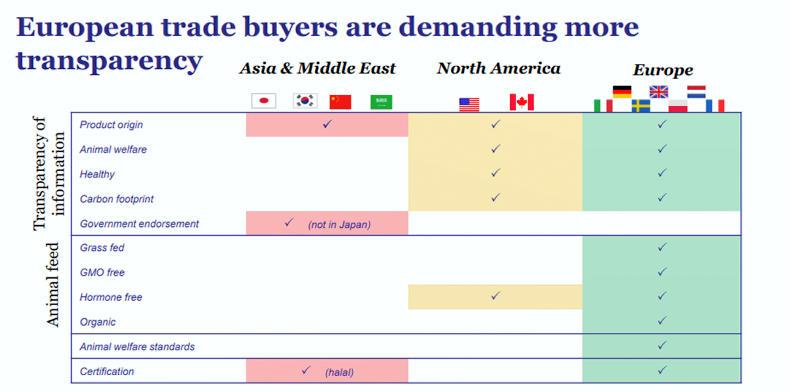
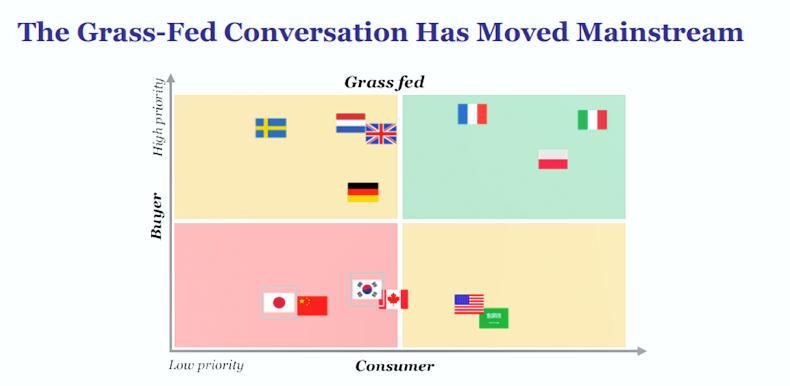
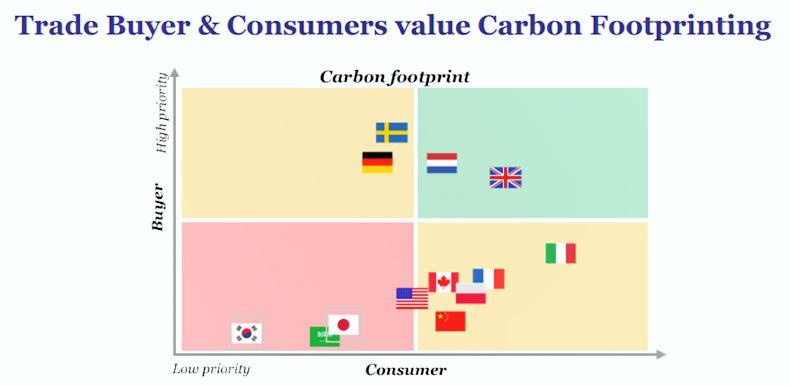
Michael Maloney, director of quality assurance at Bord Bia was present on the day also and he presented some of the key findings from recent Bord Bia research into global consumers and sustainability. From an Irish perspective, the research highlighted three very positive ideas:
Ireland is a global leader in these three areas which are highly valued by consumers globally. While the idea of sustainability is still not an exact science, it would seem like Ireland has the tools in place to compete on sustainability across the world stage.
Michael Maloney, Bord Bia, discussing developments within and results of the Origin Green Programme. pic.twitter.com/HV1w7AfV1n
— FJ Beef (@FJBeef) June 18, 2018
Simplifying the measurement of Carbon emissions in beef. The idea of sustainability is hugely complex, both in definition and in measurement - Ernesto Reyes, Livestock economist pic.twitter.com/z6CH3t2QuE
— FJ Beef (@FJBeef) June 18, 2018
Spotlight on dairy sustainability
Mitigating Brexit and enhancing competitiveness – Food Wise 2025
McDonald's see future in beef


SHARING OPTIONS