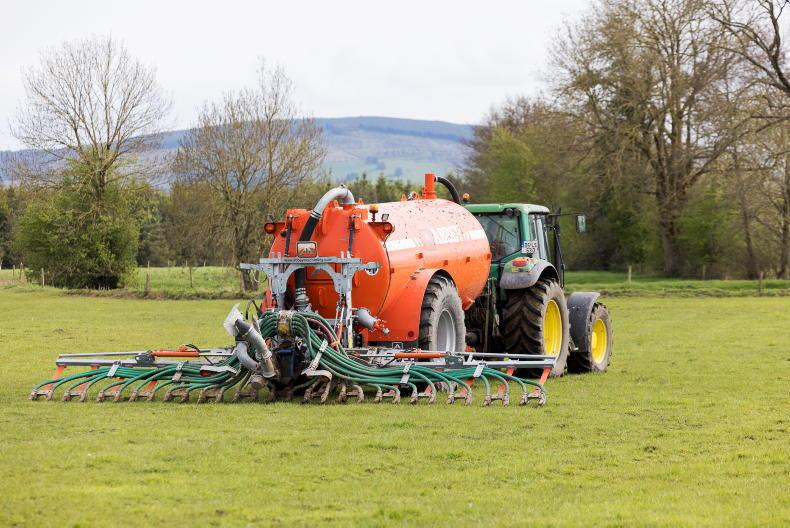
Irish farmers can expect “slurry storage and spreading difficulties” in the future as winter months are subject to more intense periods of rainfall.
Seamus Walsh of Met Éireann, was explaining the impact of climate change on farming in Ireland at the launch of a consultation document on climate in Ireland.
“We’re realistically looking at a 2°C rise by the end of the century which is already 1°C higher than what we have,” he said.
“We’re going to see an increase of up to 50 to 55 days in the growing season but we’ll have changes in rainfall as well.”
Rise in temperatures
Walsh sounded a note of caution that the increase in growing season was not necessarily a good thing for farmers, and explained that summers were expected to become 25% drier, which would lead to more drought conditions.
He said that this could lead to crop stress and that a change in climate could also alter the way pests and pest resistance developed in the country.
Winter months would also be subject to more rainfall.
“An increase in intense rainfall in the autumn and winter will give rise to greater flooding,” he said.
“In the wintertime, you will have slurry storage and spreading difficulties.”
Farmers will be concerned that this change in climate could lead to more restrictions on slurry spreading and management.
The consultation process is running until 16 August. People are invited to give their views up until that time and more information can be found on the Department of Agriculture's website.
Read more
Slurry storage review planned by Department for extreme weather
Farm Finance: traditional hay meadows deadline
Live exports suspended as heatwave hits
Irish farmers can expect “slurry storage and spreading difficulties” in the future as winter months are subject to more intense periods of rainfall.
Seamus Walsh of Met Éireann, was explaining the impact of climate change on farming in Ireland at the launch of a consultation document on climate in Ireland.
“We’re realistically looking at a 2°C rise by the end of the century which is already 1°C higher than what we have,” he said.
“We’re going to see an increase of up to 50 to 55 days in the growing season but we’ll have changes in rainfall as well.”
Rise in temperatures
Walsh sounded a note of caution that the increase in growing season was not necessarily a good thing for farmers, and explained that summers were expected to become 25% drier, which would lead to more drought conditions.
He said that this could lead to crop stress and that a change in climate could also alter the way pests and pest resistance developed in the country.
Winter months would also be subject to more rainfall.
“An increase in intense rainfall in the autumn and winter will give rise to greater flooding,” he said.
“In the wintertime, you will have slurry storage and spreading difficulties.”
Farmers will be concerned that this change in climate could lead to more restrictions on slurry spreading and management.
The consultation process is running until 16 August. People are invited to give their views up until that time and more information can be found on the Department of Agriculture's website.

Read more
Slurry storage review planned by Department for extreme weather
Farm Finance: traditional hay meadows deadline
Live exports suspended as heatwave hits
SHARING OPTIONS