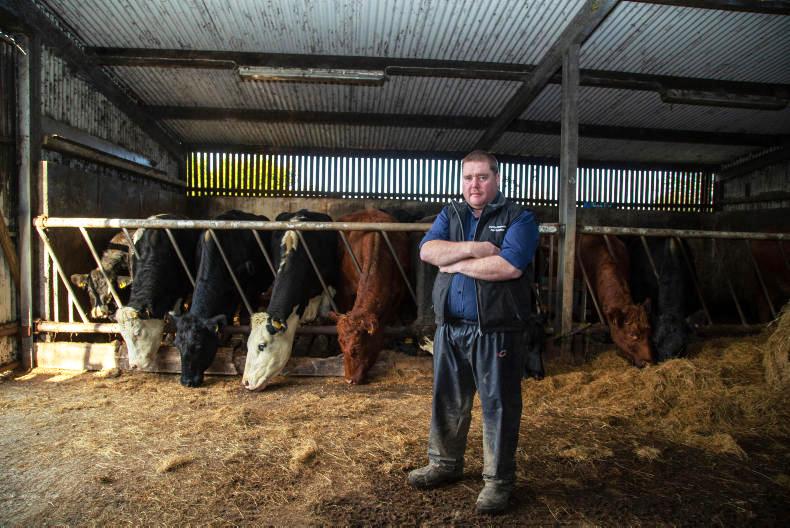
I farm: “Forty acres of land. I have 12 sucklers and 70 sheep. The sucklers are made up of mostly Charolais-cross and Limousin-cross cows that calve down in the springtime.”
Family: “My wife Martina is a healthcare worker in the regional hospital in Galway and without her support it wouldn’t be easy to run the farm. My mother Kathleen lives at home as well, and we’re luckier than many who might be struggling to pay off their houses and things. I consider myself to be lucky in that respect.”
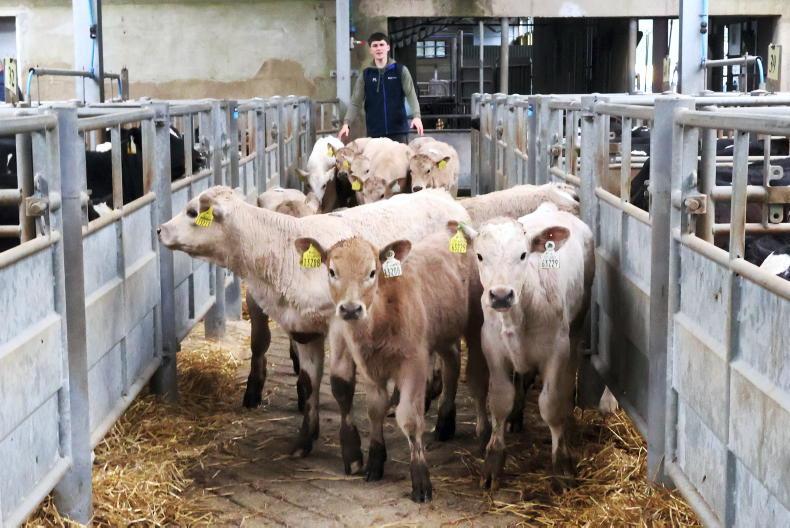
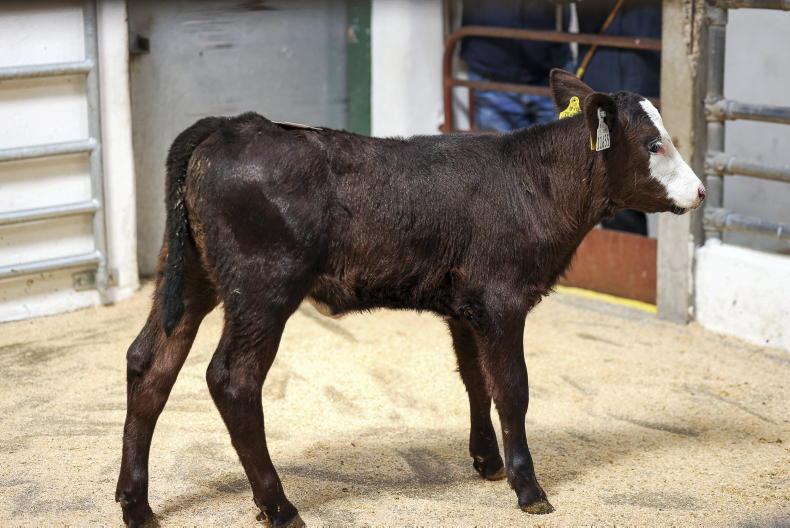
Calves: “The calves are usually born at the end of February/start of March. I sell the bulls at this time of year, the best of them anyway, and keep the lightest calves over until springtime. I might actually extend more into sheep after the genomics scheme – there’s a lot of costs involved with cows and it can be difficult keeping an eye on them for AI.”
Sheep: “My sheep are mostly Texel/Suffolk crosses. I let a Texel ram out with the Suffolks and do the opposite way around with a Suffolk ram and the Texels. I try to get a speckled lamb.”
This week: “I let the sheep out with the rams. I have them split up for compact lambing. They’ll be due after St Patrick’s Day, around 20 March. I would normally have them a bit earlier, but the cows are in-calf so I didn’t want everything coming at the same time.”
Suckler farming: “The cost of suckler farming is killing the industry – everyone’s in the same boat. You’re feeding them all year and trying to get a good weanling for sale. I suppose the only good thing about it is that the weanlings are a good trade – that’s the only thing that’s keeping a bit of heart in it. If you have a good calf, he’s dear if you’re lucky – you can lose them easily with disease when they’re born. It’s vital to get them going right away.”
Quotable quote: “A bit of luck is worth a lot.”
Read more
Scientists propose methods for biodiversity based farming in CAP
New sustainable cartons launched by Aurivo
I farm: “Forty acres of land. I have 12 sucklers and 70 sheep. The sucklers are made up of mostly Charolais-cross and Limousin-cross cows that calve down in the springtime.”
Family: “My wife Martina is a healthcare worker in the regional hospital in Galway and without her support it wouldn’t be easy to run the farm. My mother Kathleen lives at home as well, and we’re luckier than many who might be struggling to pay off their houses and things. I consider myself to be lucky in that respect.”
Calves: “The calves are usually born at the end of February/start of March. I sell the bulls at this time of year, the best of them anyway, and keep the lightest calves over until springtime. I might actually extend more into sheep after the genomics scheme – there’s a lot of costs involved with cows and it can be difficult keeping an eye on them for AI.”
Sheep: “My sheep are mostly Texel/Suffolk crosses. I let a Texel ram out with the Suffolks and do the opposite way around with a Suffolk ram and the Texels. I try to get a speckled lamb.”
This week: “I let the sheep out with the rams. I have them split up for compact lambing. They’ll be due after St Patrick’s Day, around 20 March. I would normally have them a bit earlier, but the cows are in-calf so I didn’t want everything coming at the same time.”
Suckler farming: “The cost of suckler farming is killing the industry – everyone’s in the same boat. You’re feeding them all year and trying to get a good weanling for sale. I suppose the only good thing about it is that the weanlings are a good trade – that’s the only thing that’s keeping a bit of heart in it. If you have a good calf, he’s dear if you’re lucky – you can lose them easily with disease when they’re born. It’s vital to get them going right away.”
Quotable quote: “A bit of luck is worth a lot.”
Read more
Scientists propose methods for biodiversity based farming in CAP
New sustainable cartons launched by Aurivo





SHARING OPTIONS