One of the more sensitive issues that has developed in the EU-UK negotiations on a new trade deal has been fisheries.
EU fishing boats enjoy favourable access to UK waters and UK fishermen expect that at the end of the transitional arrangement with the EU, they will take back control of these waters. EU boats would be either excluded or restricted and more fish would be available for UK boats to catch.
Caught in UK water, sold in EU markets
The snag is that any extra fish caught by UK boats would then have to be sold in EU markets, where a tariff would make them more expensive to buyers.
Fish is a miniscule part of either the EU or UK economies, but it is an exceptionally emotive subject with political ramifications well beyond its economic importance.
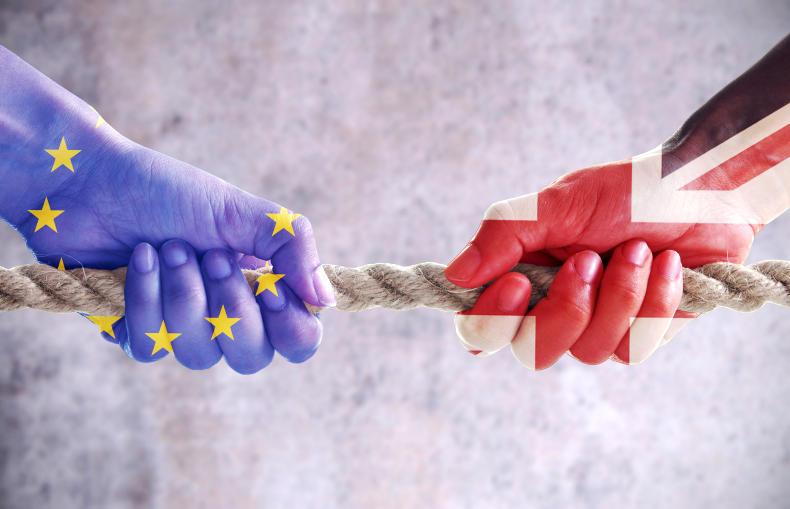
Fish is now a major friction between the EU and UK with fish caught in UK waters mainly sold in EU markets
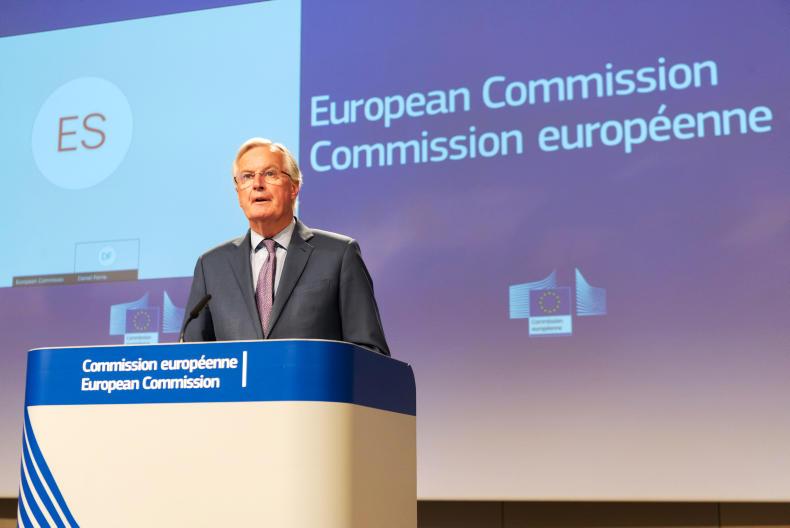
If the talks break down on fish, prospects for any meaningful inclusive agreement are remote. Ahead of the last round of talks, the EU chief negotiator Michel Barnier was given clear instructions by several EU fishery ministers that he had no wriggle room on access to UK waters for EU boats.
No transition extension, start of talks with Japan
Meanwhile, on Tuesday this week, UK cabinet minister Penny Mordaunt told the UK parliament that the EU would be advised on Friday at a joint Brexit committee meeting that the UK wouldn’t be looking for an extension to the transition time that ends on 31 December this year.
The UK has also announced this week that formal trade talks are being started with Japan, so that means that a total of three negotiations are under way.
In the cases of both Japan and the USA, talks are very much at the exploratory stage at this point in a getting-to-know-you exercise.
While the EU doesn’t have a trade deal with the USA, it does have with Japan and the UK will lose access to this as well as other EU agreements at the end of the transition period.
The UK had the ambition to roll over EU agreements with other third countries, but the absence of meaningful agreements so far suggests that countries such as Japan and Canada have ambitions to modify any agreement with the UK from what they have signed up for with the EU.
It matters to Irish and UK farmers
These negotiations have a direct meaning for UK farmers and an indirect impact on Irish farmers. The main concern is the level of access granted for agricultural products and what standards will be adopted.
This is of particular importance in the negotiation with the USA, as they have a different approach to the use of growth-promoting hormones and use of acid wash to clean carcases.
UK opinion is divided on maintaining existing EU standards or adopting the US version. Farming is very much on the side of the status quo.
Irish farmers would share the ambition that the UK retains EU standards in order to maintain the value of the UK market.
However, if there is no trade deal, then tariffs will have the effect of blocking Irish exports to the UK anyway.
If the UK adopts US standards, it is also likely to increase the extent of inspections on trade between Britain and Northern Ireland, a further complication in an already complex process.
Read more
Will Brexit round four differ from the rest?
Crunch week for Brexit as talks reach critical point
One of the more sensitive issues that has developed in the EU-UK negotiations on a new trade deal has been fisheries.
EU fishing boats enjoy favourable access to UK waters and UK fishermen expect that at the end of the transitional arrangement with the EU, they will take back control of these waters. EU boats would be either excluded or restricted and more fish would be available for UK boats to catch.
Caught in UK water, sold in EU markets
The snag is that any extra fish caught by UK boats would then have to be sold in EU markets, where a tariff would make them more expensive to buyers.
Fish is a miniscule part of either the EU or UK economies, but it is an exceptionally emotive subject with political ramifications well beyond its economic importance.
Fish is now a major friction between the EU and UK with fish caught in UK waters mainly sold in EU markets
If the talks break down on fish, prospects for any meaningful inclusive agreement are remote. Ahead of the last round of talks, the EU chief negotiator Michel Barnier was given clear instructions by several EU fishery ministers that he had no wriggle room on access to UK waters for EU boats.
No transition extension, start of talks with Japan
Meanwhile, on Tuesday this week, UK cabinet minister Penny Mordaunt told the UK parliament that the EU would be advised on Friday at a joint Brexit committee meeting that the UK wouldn’t be looking for an extension to the transition time that ends on 31 December this year.
The UK has also announced this week that formal trade talks are being started with Japan, so that means that a total of three negotiations are under way.
In the cases of both Japan and the USA, talks are very much at the exploratory stage at this point in a getting-to-know-you exercise.
While the EU doesn’t have a trade deal with the USA, it does have with Japan and the UK will lose access to this as well as other EU agreements at the end of the transition period.
The UK had the ambition to roll over EU agreements with other third countries, but the absence of meaningful agreements so far suggests that countries such as Japan and Canada have ambitions to modify any agreement with the UK from what they have signed up for with the EU.
It matters to Irish and UK farmers
These negotiations have a direct meaning for UK farmers and an indirect impact on Irish farmers. The main concern is the level of access granted for agricultural products and what standards will be adopted.
This is of particular importance in the negotiation with the USA, as they have a different approach to the use of growth-promoting hormones and use of acid wash to clean carcases.
UK opinion is divided on maintaining existing EU standards or adopting the US version. Farming is very much on the side of the status quo.
Irish farmers would share the ambition that the UK retains EU standards in order to maintain the value of the UK market.
However, if there is no trade deal, then tariffs will have the effect of blocking Irish exports to the UK anyway.
If the UK adopts US standards, it is also likely to increase the extent of inspections on trade between Britain and Northern Ireland, a further complication in an already complex process.
Read more
Will Brexit round four differ from the rest?
Crunch week for Brexit as talks reach critical point






SHARING OPTIONS