I don’t often have the opportunity to informally talk with a small Ukrainian farmer and hear the truth from him. The fact is that interviews are usually given by well-known farmers who cultivate more than 2,000ha. This is the average farm size. However, there are many thousands of people working in Ukraine who grow wheat on an area of 50-500ha.
These farmers have limited options. They simply do not have enough money to buy expensive imported machinery and high-quality fertilisers and pesticides. They do not communicate with the press. Nevertheless, they work and grow millions of tonnes of grain. And they can be called the “salt of the earth”.
My interviewee, Leonid (who did not wish to be named in full or photographed to protect his anonymity), impresses me with his brilliant sense of humor. While there is no money left in the bank account of the farm, the 62-year-old does not even think of crying.
Bloody battles
Leonid cultivates 500ha in the Mykolaiv region of Ukraine. This is the south of the country, and even in autumn, bloody battles were fought not far from his farm.
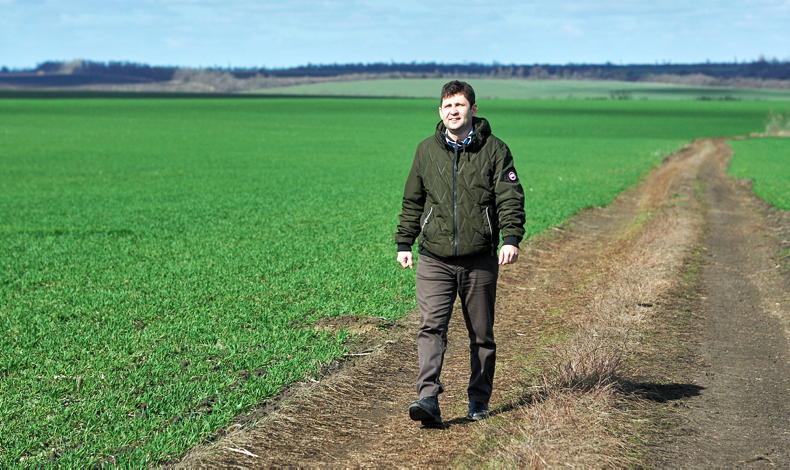
Ihor Pavliuk is an agri-journalist based in Ukraine.
“What did I do on the first day of the war?” he recalls. “I spread saltpeter [potassium nitrate] on winter wheat. On the second day of the war, I spread saltpeter. On the third day of the war, my tractor driver said that he was afraid to drive a tractor at night with the headlights on. The fact is that Russian tanks were already standing near Mykolaiv, and our soldiers accidentally could shoot at us, thinking that it was an enemy attack. Then we went to the field in the afternoon.”
Many of us cannot imagine what a person who protects his bread in the field is capable of. Leonid sold all his grain even before the war, and invested the money he received in resources for work. Due to logistical problems, he was unable to receive part of the ordered goods.
“They did not bring us a new sprayer. I had to repair an old Ukrainian sprayer and it worked so well that I regretted buying a French one,” he tells me.

Ihor Pavliuk is an agri-journalist based in Ukraine.
“When we didn’t have money to buy the required amount of expensive pesticides, we invented some mixtures with minimum standards to somehow help the plants.”
Leonid grows winter wheat, barley, sunflower, corn, peas and rape on his small area. He had already managed to sell the entire crop grown last year, and reinvested the money earned into the future crop.
“I am calm about my future,” he says. “If we have timely rains and a good harvest, our business will survive. If it doesn’t rain, we will still survive. Although I am not a young person, I have enough strength and I will never give up.”
Tech key to survival
The farmer considers hard work and the ability to effectively use new technologies to be the key to the survival of Ukrainian farmers during the war.
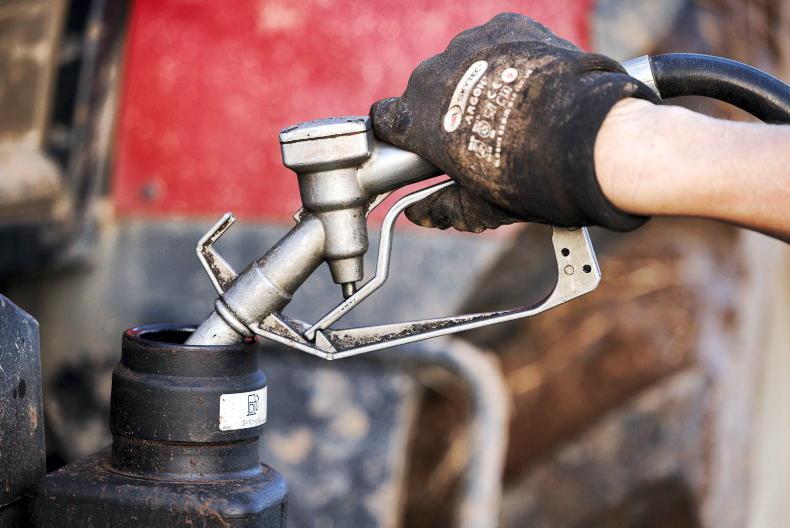
“Two years ago, I switched to the new strip-till technology. This saved me a lot, because I save 1,500l of fuel every year on my fields. In addition, I save on fertilisers, because I can apply them directly to the rows. Now this is a lot of money for me, which I have saved,” he explains.
He believes that the biggest problem besides war today is the indifference of young people to agriculture. Because of this, it is very difficult to find new responsible employees.
“I closed my pig complex several years ago because of this,” he explains.
“After all, this is work with living creatures. You need to worry about them every day and every hour. If you entrust it to an unreliable person, then you will have problems: the person may oversleep, may not come or unexpectedly quit. Therefore, the future in such a business is in electronics.”
No financial security
Farmers like Leonid most painfully felt the impact of the war on their business and their lives. Unlike their more affluent colleagues, they did not have a financial security cushion, and therefore they are forced to immediately give every euro earned to sellers of agribusiness products.
But I have not yet seen a single Ukrainian farmer who would tell me that that’s it: “I’m going to stop working.” Although all resources are very expensive, tractors are now humming on every field in Ukraine. This applies to both large agricultural companies and tiny pieces of land on which Ukrainians grow food for their families.
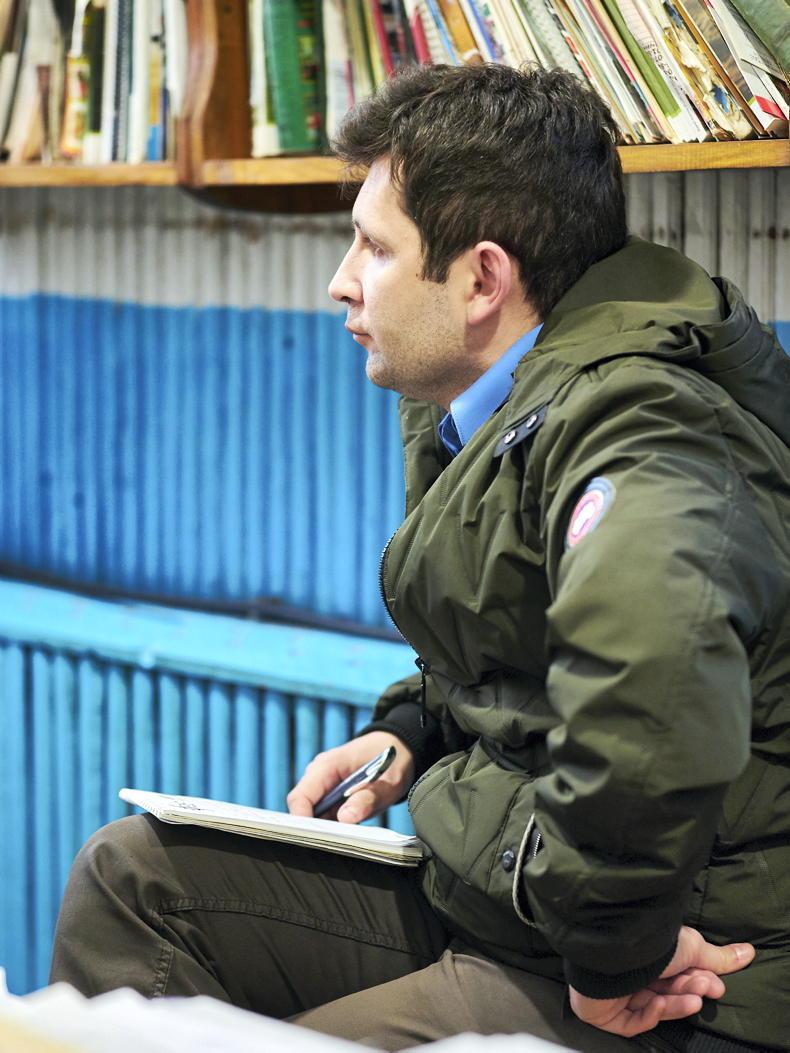
Ihor Pavliuk says that despite the great challenges, most people are doing their best to live their normal lives
Yesterday, I went to a new agronomy store that opened in our town. When I asked about the prices of fertilisers and pesticides, I felt the hair on my head stand on end. It’s just terrible – the cost of popular fertilizers has increased almost three times compared to last year. I wanted to buy 10lb of nitrogen-phosphorus fertiliser for my backyard to plant potatoes and vegetables. But I figured that with these prices, it would be cheaper for me to just buy a few bags of potatoes.
Therefore, I have no idea how farmers like Leonid manage to work. They are simply forced to buy these expensive goods and try to work in such a way that with such costs, the grown crop will bring at least a small profit.
Getting perspective
On the other hand, we should not complain about the lives of people who live several hundred kilometres from the front. Although the economy of Ukraine has lost 37%, we eat every day, we live in warm homes and we have electricity and natural gas in the pipes.
And the main thing is that shells and mines are not whistling over us every minute. People fleeing the war in the east and south of Ukraine continue to come to our town. They lost everything – housing, work, all their property, and sometimes even their relatives. I imagine how difficult it is for them to adapt and start a new life in a new place.
But we are Ukrainians, who for tens and hundreds of generations grew bread under the threat of enemy invasion. Therefore, we establish a normal life wherever we live. The first thing we do in a new place is to dig up the field and clean it of weeds, even if there is shooting nearby. There will be bread – there will be life.
Although this bread has already been paid for many times with our own blood.
Read more
Farming on the frontline: ‘We keep our weapons ready’
Ukrainian farmer: 'Starting life in a new place, but hoping to return home'
I don’t often have the opportunity to informally talk with a small Ukrainian farmer and hear the truth from him. The fact is that interviews are usually given by well-known farmers who cultivate more than 2,000ha. This is the average farm size. However, there are many thousands of people working in Ukraine who grow wheat on an area of 50-500ha.
These farmers have limited options. They simply do not have enough money to buy expensive imported machinery and high-quality fertilisers and pesticides. They do not communicate with the press. Nevertheless, they work and grow millions of tonnes of grain. And they can be called the “salt of the earth”.
My interviewee, Leonid (who did not wish to be named in full or photographed to protect his anonymity), impresses me with his brilliant sense of humor. While there is no money left in the bank account of the farm, the 62-year-old does not even think of crying.
Bloody battles
Leonid cultivates 500ha in the Mykolaiv region of Ukraine. This is the south of the country, and even in autumn, bloody battles were fought not far from his farm.
Ihor Pavliuk is an agri-journalist based in Ukraine.
“What did I do on the first day of the war?” he recalls. “I spread saltpeter [potassium nitrate] on winter wheat. On the second day of the war, I spread saltpeter. On the third day of the war, my tractor driver said that he was afraid to drive a tractor at night with the headlights on. The fact is that Russian tanks were already standing near Mykolaiv, and our soldiers accidentally could shoot at us, thinking that it was an enemy attack. Then we went to the field in the afternoon.”
Many of us cannot imagine what a person who protects his bread in the field is capable of. Leonid sold all his grain even before the war, and invested the money he received in resources for work. Due to logistical problems, he was unable to receive part of the ordered goods.
“They did not bring us a new sprayer. I had to repair an old Ukrainian sprayer and it worked so well that I regretted buying a French one,” he tells me.
Ihor Pavliuk is an agri-journalist based in Ukraine.
“When we didn’t have money to buy the required amount of expensive pesticides, we invented some mixtures with minimum standards to somehow help the plants.”
Leonid grows winter wheat, barley, sunflower, corn, peas and rape on his small area. He had already managed to sell the entire crop grown last year, and reinvested the money earned into the future crop.
“I am calm about my future,” he says. “If we have timely rains and a good harvest, our business will survive. If it doesn’t rain, we will still survive. Although I am not a young person, I have enough strength and I will never give up.”
Tech key to survival
The farmer considers hard work and the ability to effectively use new technologies to be the key to the survival of Ukrainian farmers during the war.
“Two years ago, I switched to the new strip-till technology. This saved me a lot, because I save 1,500l of fuel every year on my fields. In addition, I save on fertilisers, because I can apply them directly to the rows. Now this is a lot of money for me, which I have saved,” he explains.
He believes that the biggest problem besides war today is the indifference of young people to agriculture. Because of this, it is very difficult to find new responsible employees.
“I closed my pig complex several years ago because of this,” he explains.
“After all, this is work with living creatures. You need to worry about them every day and every hour. If you entrust it to an unreliable person, then you will have problems: the person may oversleep, may not come or unexpectedly quit. Therefore, the future in such a business is in electronics.”
No financial security
Farmers like Leonid most painfully felt the impact of the war on their business and their lives. Unlike their more affluent colleagues, they did not have a financial security cushion, and therefore they are forced to immediately give every euro earned to sellers of agribusiness products.
But I have not yet seen a single Ukrainian farmer who would tell me that that’s it: “I’m going to stop working.” Although all resources are very expensive, tractors are now humming on every field in Ukraine. This applies to both large agricultural companies and tiny pieces of land on which Ukrainians grow food for their families.
Ihor Pavliuk says that despite the great challenges, most people are doing their best to live their normal lives
Yesterday, I went to a new agronomy store that opened in our town. When I asked about the prices of fertilisers and pesticides, I felt the hair on my head stand on end. It’s just terrible – the cost of popular fertilizers has increased almost three times compared to last year. I wanted to buy 10lb of nitrogen-phosphorus fertiliser for my backyard to plant potatoes and vegetables. But I figured that with these prices, it would be cheaper for me to just buy a few bags of potatoes.
Therefore, I have no idea how farmers like Leonid manage to work. They are simply forced to buy these expensive goods and try to work in such a way that with such costs, the grown crop will bring at least a small profit.
Getting perspective
On the other hand, we should not complain about the lives of people who live several hundred kilometres from the front. Although the economy of Ukraine has lost 37%, we eat every day, we live in warm homes and we have electricity and natural gas in the pipes.
And the main thing is that shells and mines are not whistling over us every minute. People fleeing the war in the east and south of Ukraine continue to come to our town. They lost everything – housing, work, all their property, and sometimes even their relatives. I imagine how difficult it is for them to adapt and start a new life in a new place.
But we are Ukrainians, who for tens and hundreds of generations grew bread under the threat of enemy invasion. Therefore, we establish a normal life wherever we live. The first thing we do in a new place is to dig up the field and clean it of weeds, even if there is shooting nearby. There will be bread – there will be life.
Although this bread has already been paid for many times with our own blood.
Read more
Farming on the frontline: ‘We keep our weapons ready’
Ukrainian farmer: 'Starting life in a new place, but hoping to return home'






SHARING OPTIONS