In early 2024, a new Beef Carbon Reduction Scheme is due to start in NI, with a suckler cow scheme coming along the following year.
Funded by taking up to 17% off the current £293m budget for the Basic Payment Scheme (BPS), there is potentially a very significant £50m pot of money to be shared out.
Having previously been assumed that a much greater share of the money might go to sucklers, the latest indications are that it might be a reasonably equal split.
The beef scheme is attractive to DAERA, as it will encourage farmers to finish cattle earlier, helping to drive down greenhouse gas emissions from agriculture.
The suckler scheme will also have a positive impact on emissions by incentivising farmers to calve heifers at younger ages and not to keep poor-fertility cows, but it won’t be as dramatic in the short- to medium-term.
Under 30 months
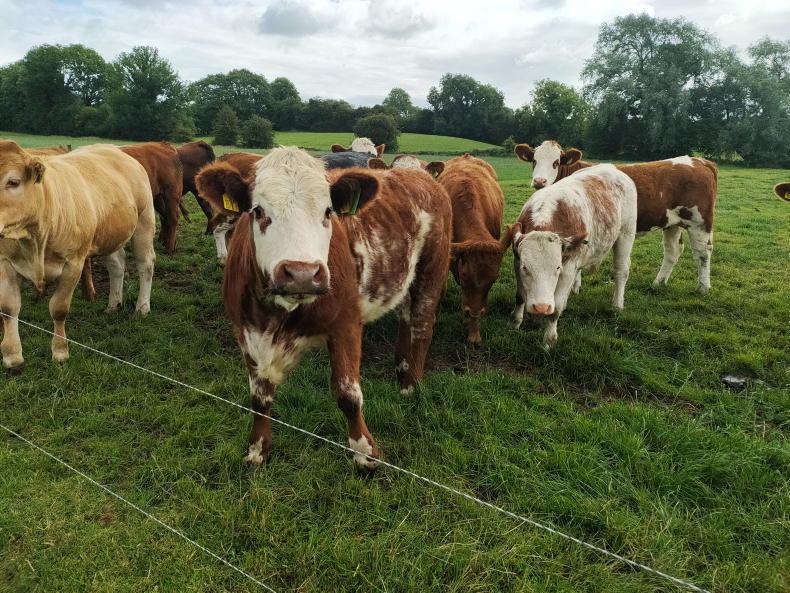
In the first year (2024) of the new beef scheme, farmers will receive a payment for slaughtering cattle at under 30 months of age. It is something farmers should take note of when buying stores from now on.
Looking beyond 2024, there is a danger that by encouraging farmers to kill cattle at younger ages, it will disrupt the market for beef.
The peak months for beef-sired calf births remain April, May and June. Many of these calves are currently grazed on to sell off-grass in autumn, at 27 to 30 months, but increasingly they will have to be finished out of the house at a time of the year when beef sales can be challenging.
In response, DAERA officials point out that with policy now set at a local level instead of in Brussels, we can amend schemes if unintended consequences emerge.
However, one thing is clear – as we move forward, direct payments are no longer there to simply support incomes. Instead, we must be able to justify to UK taxpayers how it is used and that involves driving change on farms, particularly related to the wider environment agenda.
Read more
NI on the wrong path to net zero emissions
Steady decline in suckler and dairy herds
In early 2024, a new Beef Carbon Reduction Scheme is due to start in NI, with a suckler cow scheme coming along the following year.
Funded by taking up to 17% off the current £293m budget for the Basic Payment Scheme (BPS), there is potentially a very significant £50m pot of money to be shared out.
Having previously been assumed that a much greater share of the money might go to sucklers, the latest indications are that it might be a reasonably equal split.
The beef scheme is attractive to DAERA, as it will encourage farmers to finish cattle earlier, helping to drive down greenhouse gas emissions from agriculture.
The suckler scheme will also have a positive impact on emissions by incentivising farmers to calve heifers at younger ages and not to keep poor-fertility cows, but it won’t be as dramatic in the short- to medium-term.
Under 30 months
In the first year (2024) of the new beef scheme, farmers will receive a payment for slaughtering cattle at under 30 months of age. It is something farmers should take note of when buying stores from now on.
Looking beyond 2024, there is a danger that by encouraging farmers to kill cattle at younger ages, it will disrupt the market for beef.
The peak months for beef-sired calf births remain April, May and June. Many of these calves are currently grazed on to sell off-grass in autumn, at 27 to 30 months, but increasingly they will have to be finished out of the house at a time of the year when beef sales can be challenging.
In response, DAERA officials point out that with policy now set at a local level instead of in Brussels, we can amend schemes if unintended consequences emerge.
However, one thing is clear – as we move forward, direct payments are no longer there to simply support incomes. Instead, we must be able to justify to UK taxpayers how it is used and that involves driving change on farms, particularly related to the wider environment agenda.
Read more
NI on the wrong path to net zero emissions
Steady decline in suckler and dairy herds
SHARING OPTIONS