Lump sum payments of up to €25,000 for young farmers, the inclusion of farmers in the auto-enrolment pension scheme and the retention of key agricultural reliefs are some of the recommendations in the long-awaited Commission on Generational Renewal in Farming report.
Launched by Minister for Agriculture Martin Heydon at Ploughing 2025, the report makes a total of 31 recommendations, many of which can be delivered by reallocating existing Common Agricultural Policy (CAP) funds.
A €25,000 payment should be introduced in the form of a young farmer establishment payment for family successors and new entrants, it states.
Ireland is currently the only member state to not pay a setting-up or establishment grant and the Young Farmers Installation Scheme closed in 2008.
“To counteract some of the main failings of pasts schemes, applicants should be allowed use some of the aid for investment purposes, especially support for farm modernisation, environmental sustainability and digitalisation (eg a minimum of 25% for environmental purposes could be set),” the report says.
It adds that a business plan should be submitted, outlining how the aid will be spent as part of the existing farm business planning required for young farmer tax reliefs, including a succession planning element.
The amount recommended is in the region of €25,000 (at average farm size), reducing for smaller-sized enterprises.
Other supports such as the Complementary Income Support for Young Farmers, National Reserve and Young Farmer Capital Investment Scheme (TAMS) should be retained, it says.
Older farmers
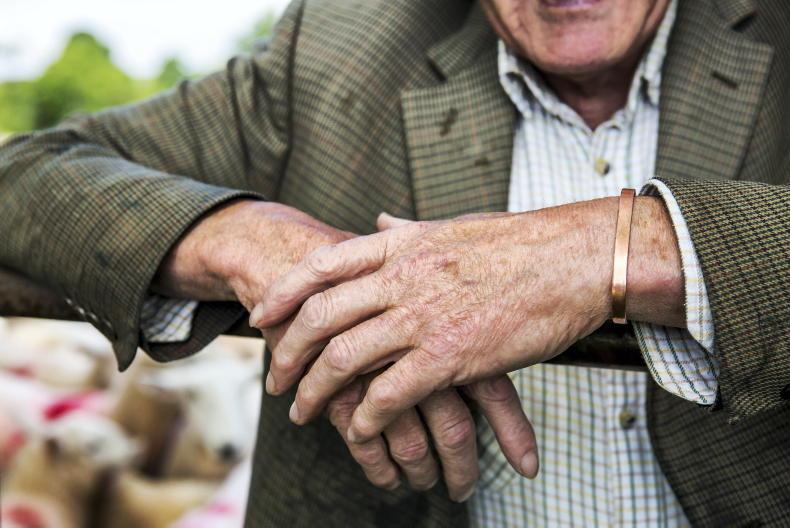
The commission also recommends a generational renewal payment of up to €25,000 for older farmers, integrated with the above proposal, which would be payable on the transfer of the farm.
“The amount recommended is again in the region of €25,000, (at average farm size), reducing for smaller-sized enterprises or it could be linked to the value of direct payment entitlements,” the report states.
This payment to older farmers should not be payable without a matching young farmer establishment grant.

Transfer of control and assets to a successor (at least 80% within five years) should trigger the generational renewal payment and there should be no restriction on when the transfer takes place (eg it could take place directly after the young farmer establishment).
The report authors say that the payment should not be restricted to successions within families and that transitional arrangements would need to be put in place.
“For example, the generational renewal payment could be available to retiring farmers for a limited period where a young farmer top-up has been paid at some stage in the past.
"The new CAP proposal is not specific on payments to older, retiring farmers. There may be scope to make this explicit during negotiations, possibly as part of the setting-up of young farmers,” they say.
Pensions
The commission recommends support for age or pension conditionality on the basic area-based income support payment in the EU regulation, but preferably as an optional measure for member states with some flexibility in implementation.
Detailed consideration in consultation with stakeholders should then be given to the options for action, including those set out in this report, before any final national decision is made.
State and stakeholder representative organisations need to raise awareness among farmers around retirement planning and the need to provide for a pension, the report recommends.
Inequities in PRSI coverage by:
Requiring, children, spouses and civil partners working on family farms to make lifelong PRSI contributions. Examining transitional provisions for self-employed currently in the system who will not meet the contributions requirement should be examined. While automatic enrolment (the Auto-Enrolment Retirement Savings Scheme) will not apply to the self-employed during the initial implementation phase, the self-employed, including farmers, should be included in the scheme in due course, it states.
Reliefs
The report says that agricultural relief should remain available to farm families to facilitate succession and the inter-generational transfer of farms.
“If changes are deemed necessary, the Department of Finance should undertake significant stakeholder engagement, including with tax practitioners experienced in this area, before any changes are commenced.
“The priority should be the retention of agricultural relief for farm families with the objective to facilitate succession and the inter-generational transfer of farm,” it says.
Considering the aging farmer population and conditions not being favourable for succession to children in some situations, Government has been called on to examine extending the favourite nephew or niece relief to grandchildren.
This could bring more certainty to succession planning, extend the timeframe for the stamp duty reliefs.
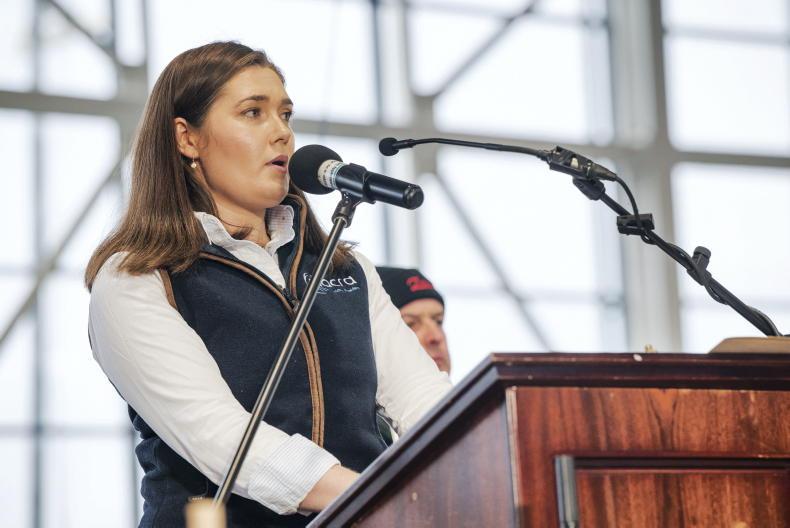
Macra president Josephine O’Neill described the report as a landmark for the future of Irish farming. While hopeful about the recommendations, she stressed that they must now be backed by action.
“The publication of this report is a positive and necessary step,” O’Neill outlined.
“For too long, the challenges facing young farmers have been spoken about, but not acted on. This report lays out real, practical measures that could transform opportunities for the next generation. But unless they are delivered, they remain only words on paper.
“These proposals recognise both sides of the challenge. Young people need financial support to get started, while older farmers need reassurance and recognition when passing on the family farm.
"Together, these measures could unlock land mobility and renew the heartbeat of rural Ireland.”

Read more
Succession Podcast: getting your affairs in order to transfer the farm
Watch: how to protect your farm if a parent has to go into a nursing home
Pension pitfalls: why some farmers fear the family farm transfer
A European perspective: how young farmers can access land
Lump sum payments of up to €25,000 for young farmers, the inclusion of farmers in the auto-enrolment pension scheme and the retention of key agricultural reliefs are some of the recommendations in the long-awaited Commission on Generational Renewal in Farming report.
Launched by Minister for Agriculture Martin Heydon at Ploughing 2025, the report makes a total of 31 recommendations, many of which can be delivered by reallocating existing Common Agricultural Policy (CAP) funds.
A €25,000 payment should be introduced in the form of a young farmer establishment payment for family successors and new entrants, it states.
Ireland is currently the only member state to not pay a setting-up or establishment grant and the Young Farmers Installation Scheme closed in 2008.
“To counteract some of the main failings of pasts schemes, applicants should be allowed use some of the aid for investment purposes, especially support for farm modernisation, environmental sustainability and digitalisation (eg a minimum of 25% for environmental purposes could be set),” the report says.
It adds that a business plan should be submitted, outlining how the aid will be spent as part of the existing farm business planning required for young farmer tax reliefs, including a succession planning element.
The amount recommended is in the region of €25,000 (at average farm size), reducing for smaller-sized enterprises.
Other supports such as the Complementary Income Support for Young Farmers, National Reserve and Young Farmer Capital Investment Scheme (TAMS) should be retained, it says.
Older farmers
The commission also recommends a generational renewal payment of up to €25,000 for older farmers, integrated with the above proposal, which would be payable on the transfer of the farm.
“The amount recommended is again in the region of €25,000, (at average farm size), reducing for smaller-sized enterprises or it could be linked to the value of direct payment entitlements,” the report states.
This payment to older farmers should not be payable without a matching young farmer establishment grant.

Transfer of control and assets to a successor (at least 80% within five years) should trigger the generational renewal payment and there should be no restriction on when the transfer takes place (eg it could take place directly after the young farmer establishment).
The report authors say that the payment should not be restricted to successions within families and that transitional arrangements would need to be put in place.
“For example, the generational renewal payment could be available to retiring farmers for a limited period where a young farmer top-up has been paid at some stage in the past.
"The new CAP proposal is not specific on payments to older, retiring farmers. There may be scope to make this explicit during negotiations, possibly as part of the setting-up of young farmers,” they say.
Pensions
The commission recommends support for age or pension conditionality on the basic area-based income support payment in the EU regulation, but preferably as an optional measure for member states with some flexibility in implementation.
Detailed consideration in consultation with stakeholders should then be given to the options for action, including those set out in this report, before any final national decision is made.

State and stakeholder representative organisations need to raise awareness among farmers around retirement planning and the need to provide for a pension, the report recommends.
Inequities in PRSI coverage by:
Requiring, children, spouses and civil partners working on family farms to make lifelong PRSI contributions. Examining transitional provisions for self-employed currently in the system who will not meet the contributions requirement should be examined. While automatic enrolment (the Auto-Enrolment Retirement Savings Scheme) will not apply to the self-employed during the initial implementation phase, the self-employed, including farmers, should be included in the scheme in due course, it states.
Reliefs
The report says that agricultural relief should remain available to farm families to facilitate succession and the inter-generational transfer of farms.
“If changes are deemed necessary, the Department of Finance should undertake significant stakeholder engagement, including with tax practitioners experienced in this area, before any changes are commenced.
“The priority should be the retention of agricultural relief for farm families with the objective to facilitate succession and the inter-generational transfer of farm,” it says.
Considering the aging farmer population and conditions not being favourable for succession to children in some situations, Government has been called on to examine extending the favourite nephew or niece relief to grandchildren.
This could bring more certainty to succession planning, extend the timeframe for the stamp duty reliefs.
Macra president Josephine O’Neill described the report as a landmark for the future of Irish farming. While hopeful about the recommendations, she stressed that they must now be backed by action.
“The publication of this report is a positive and necessary step,” O’Neill outlined.
“For too long, the challenges facing young farmers have been spoken about, but not acted on. This report lays out real, practical measures that could transform opportunities for the next generation. But unless they are delivered, they remain only words on paper.
“These proposals recognise both sides of the challenge. Young people need financial support to get started, while older farmers need reassurance and recognition when passing on the family farm.
"Together, these measures could unlock land mobility and renew the heartbeat of rural Ireland.”
Read more
Succession Podcast: getting your affairs in order to transfer the farm
Watch: how to protect your farm if a parent has to go into a nursing home
Pension pitfalls: why some farmers fear the family farm transfer
A European perspective: how young farmers can access land
SHARING OPTIONS