The routine testing that flagged the possible presence of bluetongue antibodies in livestock in Co Down was carried out on two cows formerly of the Clandeboye Estate herd, the dairy company has stated.
Results of ongoing active surveillance testing carried out by Northern Ireland's Department of Agriculture, Environment and Rural Affairs (DAERA) indicated on Friday the presence of the disease in two cows.
“On Friday last, a routine test confirmed the possible presence of the bluetongue antibodies in two animals that had formerly been part of the Clandeboye herd,” Clandeboye Estate Yoghurt said in a statement posted to social media.
The results of this surveillance testing led to the establishment of a 20km temporary control zone around the farm, located near Bangor, Co Down, from 9pm Saturday.
Cattle, sheep, deer and goat exports from Northern Ireland to Britain were subsequently banned temporarily.
The movement of these livestock from NI to the south is permitted only when they are headed directly for slaughter and when the movement has been notified 48 hours prior. Live exports for breeding or further finishing to Ireland are banned.
Clandeboye herd
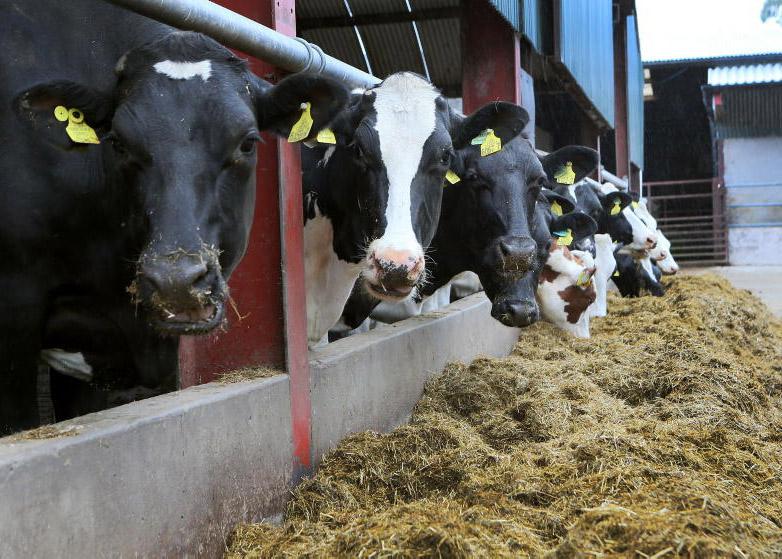
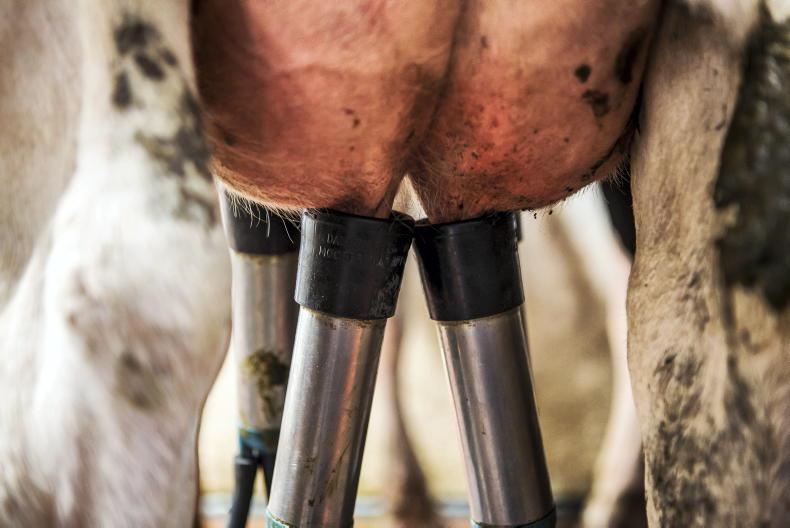
The Clandeboye Estate herd is comprised of both pedigree Holstein and Jersey cows, which supply the estate’s award-winning range of yoghurt goods.
The estate said that DAERA was immediately notified of Friday’s test results, adding that the farm is “working closely with their veterinary team to carry out further investigations”.
“The bluetongue virus does not affect humans and has no impact on dairy products or food safety generally,” the social media post continued.
“The virus is transmitted by bites from infected midges - generally in warmer climates and during warmer weather.
“It has not been known to occur in Northern Ireland before and only recently in England and Wales. In the main, it presents a risk to cattle, sheep, goats, deer, llamas and alpacas.”
The company stated that in line with its “commitment to the highest standards in terms of both food production and the welfare of our animals”, further testing will be carried over the coming days.
The estate added to calls for the farming sector to remain vigilant for signs of the disease.
Read more
Bluetongue disease: what it is and how does it spread?
Suspected bluetongue case in Co Down under investigation
Live exports from Northern Ireland suspended due to bluetongue
The routine testing that flagged the possible presence of bluetongue antibodies in livestock in Co Down was carried out on two cows formerly of the Clandeboye Estate herd, the dairy company has stated.
Results of ongoing active surveillance testing carried out by Northern Ireland's Department of Agriculture, Environment and Rural Affairs (DAERA) indicated on Friday the presence of the disease in two cows.
“On Friday last, a routine test confirmed the possible presence of the bluetongue antibodies in two animals that had formerly been part of the Clandeboye herd,” Clandeboye Estate Yoghurt said in a statement posted to social media.
The results of this surveillance testing led to the establishment of a 20km temporary control zone around the farm, located near Bangor, Co Down, from 9pm Saturday.
Cattle, sheep, deer and goat exports from Northern Ireland to Britain were subsequently banned temporarily.
The movement of these livestock from NI to the south is permitted only when they are headed directly for slaughter and when the movement has been notified 48 hours prior. Live exports for breeding or further finishing to Ireland are banned.
Clandeboye herd
The Clandeboye Estate herd is comprised of both pedigree Holstein and Jersey cows, which supply the estate’s award-winning range of yoghurt goods.
The estate said that DAERA was immediately notified of Friday’s test results, adding that the farm is “working closely with their veterinary team to carry out further investigations”.
“The bluetongue virus does not affect humans and has no impact on dairy products or food safety generally,” the social media post continued.
“The virus is transmitted by bites from infected midges - generally in warmer climates and during warmer weather.
“It has not been known to occur in Northern Ireland before and only recently in England and Wales. In the main, it presents a risk to cattle, sheep, goats, deer, llamas and alpacas.”
The company stated that in line with its “commitment to the highest standards in terms of both food production and the welfare of our animals”, further testing will be carried over the coming days.
The estate added to calls for the farming sector to remain vigilant for signs of the disease.
Read more
Bluetongue disease: what it is and how does it spread?
Suspected bluetongue case in Co Down under investigation
Live exports from Northern Ireland suspended due to bluetongue
SHARING OPTIONS