



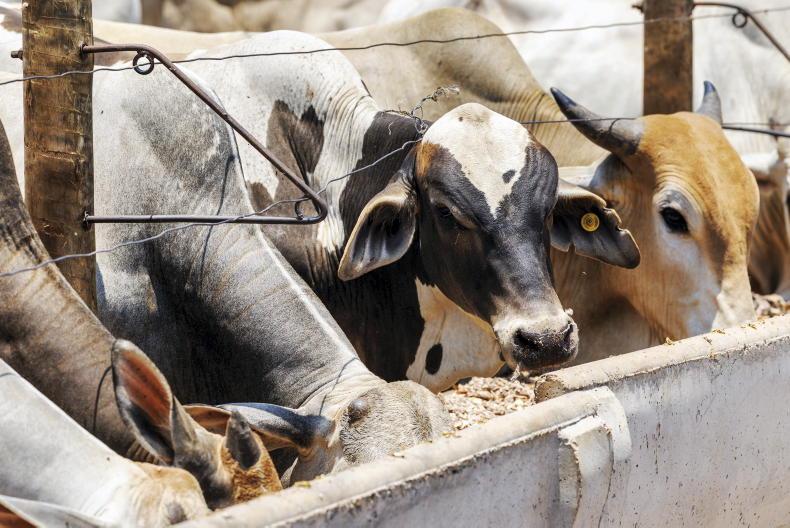
Brazil’s ministry for foreign affairs claimed that Tuesday’s move by member states to provisionally remove its country’s eligibility status for meat exports to the EU from September came as a "surprise".
The Brazilian government stated that it will act swiftly to attempt to get back on the EU’s draft list of meat export-eligible nations before antimicrobial rules the country is currently deemed to be in breach of kick in later this year.
Representatives of the Brazilian administration met with EU health officials on Wednesday to “to seek explanations about the decision”.
The rules prevent the use of antimicrobials as growth promoters and put a stop to the use of medicines reserved for treating human illnesses on livestock.
EU farmers have been subject to these regulations for years, but they will only apply to countries exporting to the EU from September.
'Surprise'
“The government today received with surprise the news that Brazil has been removed from the list of countries authorised to export animal products intended for human consumption to the EU, starting 3 September 2026,” the foreign ministry said on Tuesday.
“It is worth noting that, at the moment, Brazilian exports of animal products are proceeding normally.
“The Brazilian government will promptly take all necessary measures to reverse this decision, reinstate its status on the list of authorised countries and ensure the continued flow of these products to the European market, to which it has exported for 40 years.”
At least two years for beef
The European Commission has said that it will allow Brazil to rejoin the export eligibility list once it can provide “necessary guarantees and put in place effective measures to ensure that each commodity it intends to export to the EU conforms to the EU requirements”.
Importantly, the Commission has been keen to point out that the relevant rules must have been applied across “the entire lifetime of the exported animals or the animals that the exported products originate from”.
This means that the timelines for Brazil reaching a stage where it could be deemed to comply with the EU rules is dependent not only on the window taken to prove a compliant system is in place, but that this system has been up and running for the lifecycle of the animals from which meat is to be exported.
For prime beef, the second aspect of the compliance timeframe could be assumed to cover a period of at least two years, given the time taken for a calf born on the first day the country is deemed compliant to reach slaughter.


SHARING OPTIONS