



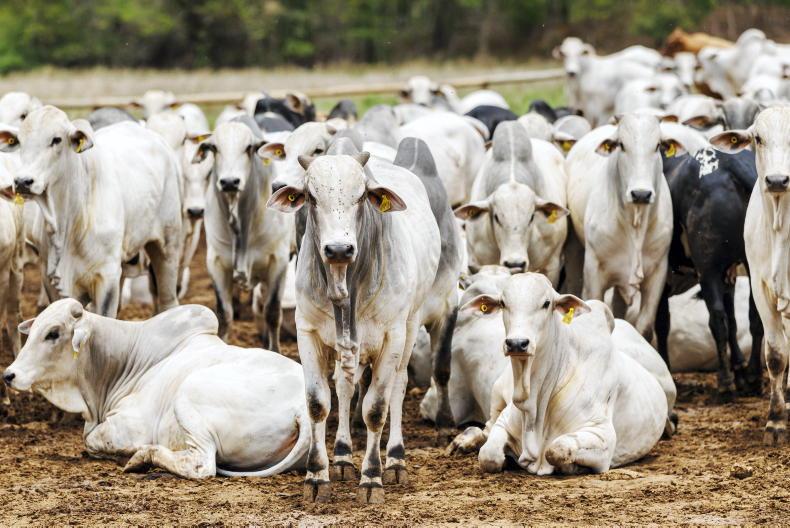
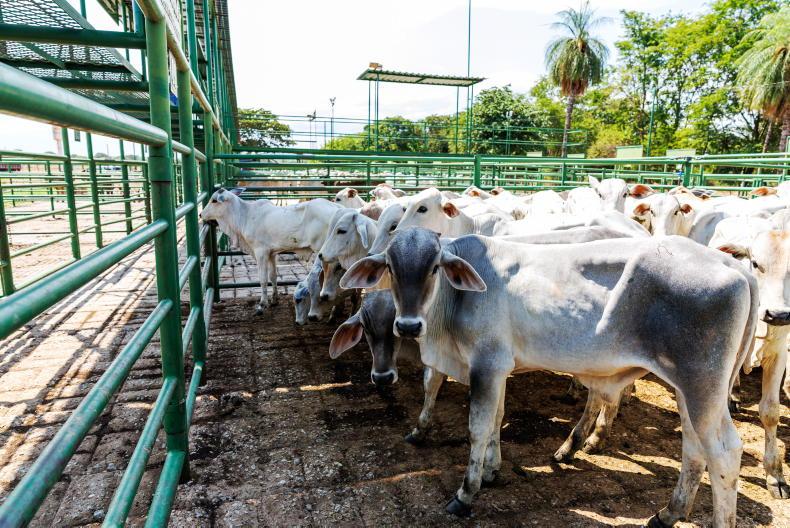
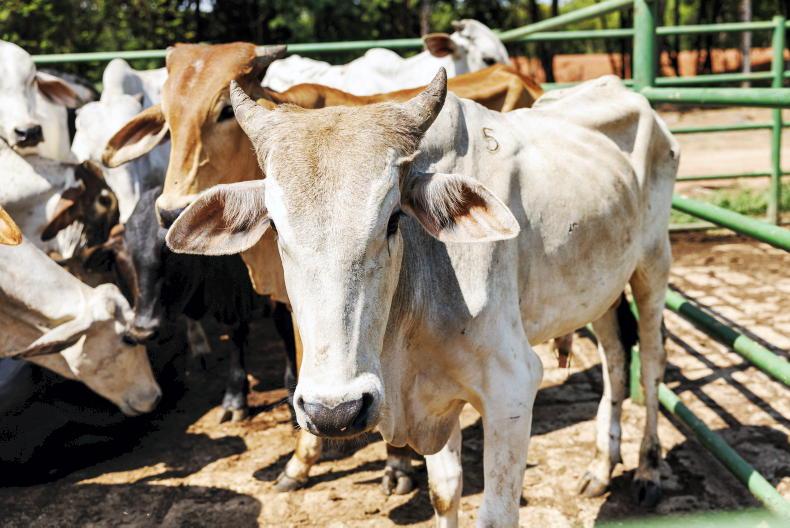
EU food safety laws are catching up with the Brazilian meat sector, as Tuesday saw member states vote to axe Brazil from the draft list of countries that will be allowed to export meat to the EU from September.
The move means that all Brazilian meat and meat products are now facing an all-out EU import ban from 3 September if the country cannot prove its compliance with EU antimicrobial laws intended on safeguarding human health.
Brazil’s removal from the list of meat import-eligible countries came as the country was deemed to fail to abide by livestock antimicrobial rules currently in play for the EU''s farmers.
These rules ban the use of antimicrobials as growth promoters or to boost yields, and ban medicines reserved for human infections for use in treating animals.
“From 3 September 2026, all exports of animals and animal products for human consumption to the EU must also comply with these rules on antimicrobials,” a Commission spokesperson told the Irish Farmers Journal.
“Only third countries that provided guarantees of compliance with these rules will be allowed to export food producing animals and animal products to the EU.”
The list of countries deemed eligible to export meat to the EU after 3 September 2026 has been in existence since 2024 and has been updated subsequently “to include new compliant countries or to remove any non-compliant country or commodity”.
The Commission has said that Brazil must “provide the necessary guarantees and put in place effective measures” to ensure that each meat type it wants to export to the EU conforms to the new requirements.
Brazil will have to prove that these rules were applied across the entire lifetime of the animals from which any exported meat originated from.
2025’s failures uncovered
Brazilian beef’s standing in the EU entered shaky ground in late 2025, after Commission food safety auditors witnessed a disastrous performance from the Brazilian beef sector when auditing the country’s compliance with the EU’s hormone beef ban.
It was during this on-the-ground audit last September that the Commission discovered that Brazilian beef from cattle treated with the growth-promoting hormone oestradiol 17ß had been shipped to the EU and that, despite authorities there discovering this, the EU had never been notified.
It subsequently emerged that much of this beef had been consumed by the time the auditors could sound the alarm at home, including in Ireland – which issued no recall as all of the beef had already been thought to be eaten.
Furthermore, this uncovering of the shortcomings of the Brazilian beef export control system had emerged during a follow-up audit after a 2024 EU inspection had found that country’s “guarantee” that its beef exports were hormone-free was entirely based on sworn statements.


SHARING OPTIONS