


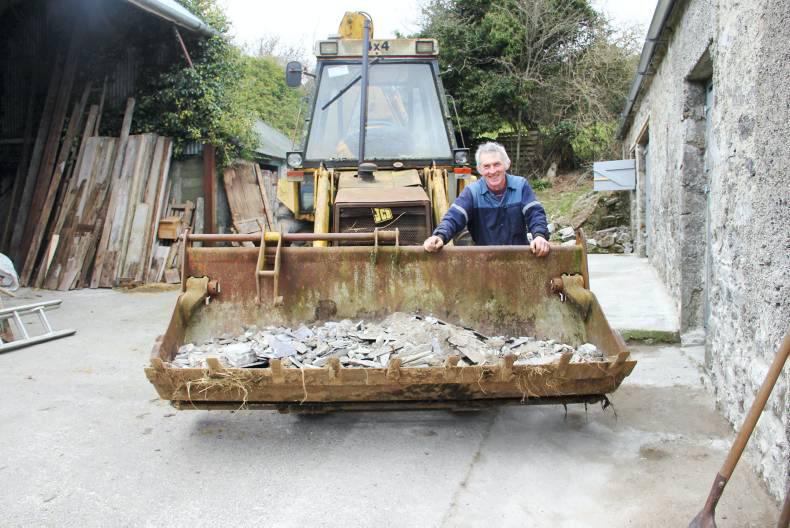
The first tranche of the new traditional farm buildings grant for farmers participating in the Green, Low-Carbon, Agri Environmental Scheme (GLAS) is open, but the question is: what is involved?
Organic beef and sheep farmer Raymond Lacey has had the experience of restoring a historic building on his farm in Co Laois. He has held Teagasc open days on his farm centred around the work he did on a traditional outbuilding under the old REPS grant.
“It’s a fair undertaking. We had to have a bat survey done beforehand because the heritage officer thought there might be bats living there,” said Lacey. He did find that there were bats living in the outbuilding, restricting work to the winter months. “The bats come in for March to October so we couldn’t start work until November.”
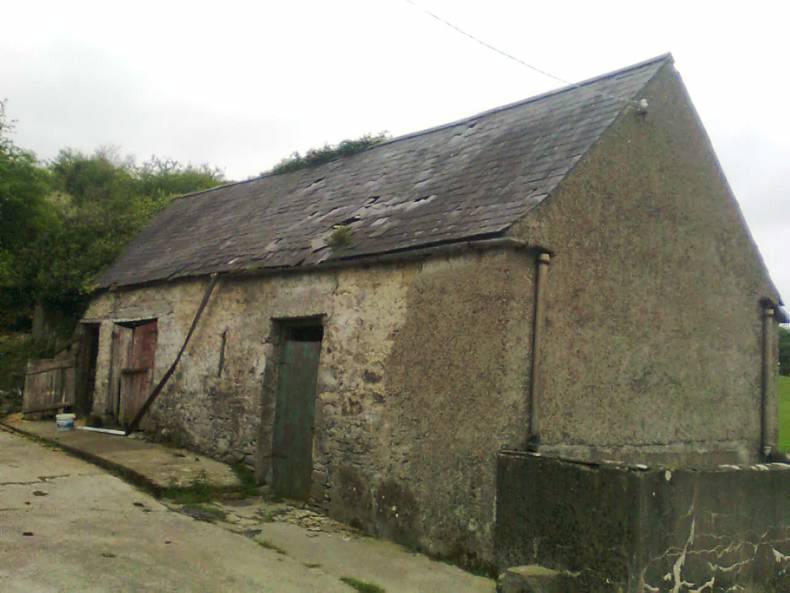
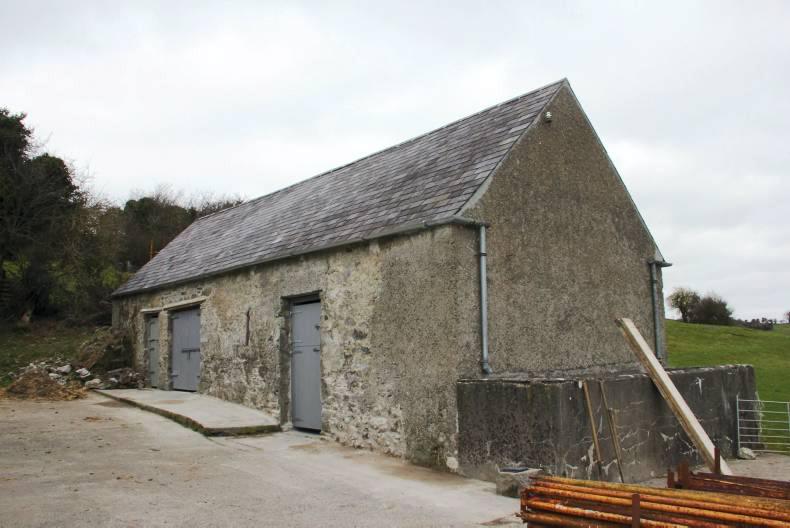
The building that Lacey restored was a traditional slate building with a stable and carthouse at one end and cattle house at the other end.
We had to get some new timbers that had a special, bat friendly, double pressure vacuum pressure treatment
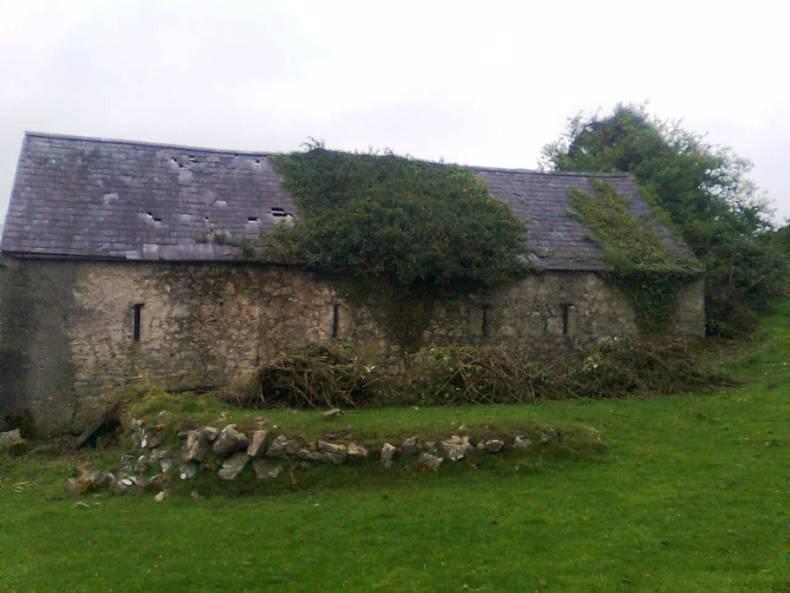
“It was in very poor condition. The slates were damaged and some timbers were gone completely,” he said. “They gave us permission to take off certain parts of the roof at a time, but not all at once. We preserved and repaired the timbers that were good. We had to get some new timbers that had a special, bat friendly, double pressure vacuum pressure treatment.”
Before work could begin, a plan had to be completed with sketches, photos, history as to the age of the building from the Griffith valuation and a budget.
“The heritage council gives good guidelines for the plan,” said Lacey. “It is a bit of work to fill it out and giving a rough cost for everything is very hard.”
Consultation
An architect acts as the consultant to the project when making the application. They advise on what you can and cannot do under the grant.
“My job is to go out an advise on what kind of work can be done,” said Laura Bowen, who was the architect working on this case. “I do the drawings and come back to visit the site a number of times over the course of the work. I also put people in contact with craftsmen that can help with this more handcrafted type of work.”
This project was of particular interest because of the history associated with it.
“This was an interesting project because it’s a very historic area, which was originally a settlement with a shop on the corner,” said Bowen. “Incredibly, a gun dating back to the civil war period was found in the roof timbers.”
Specialised work
Finding contractors for specialised restoration work is a challenge. In this case, the Laceys got help from local craftsmen and used their own family labour. The bat survey limited the time frame in which work could be completed and it was confined to the winter period, which meant that there were a minimal number of days where they could work with the lime render.
“No cement was used. It was all lime render and it has to be five or six degrees minimum to work with that,” said Lacey, who used heaters in the shed to keep the temperature up. “We had thermostats hanging by the heap of sand and had sacks and bed quilts to cover the wall if there was going to be a frost that night.”
Overall the project went slightly over budget. At the time the REPS grant covered 75% of the costs up to the value of €13,000. Without the grant, Lacey said he probably wouldn’t have done it as the total cost, including own labour, came in at approximately €22,000.
“All the timbers would have been taken off and replaced,” he said. “But with the grant 65% to 70% of the slates were salvaged and that was a job in itself. I probably would have put up a shed cheaper, but the likes of this building are disappearing.”
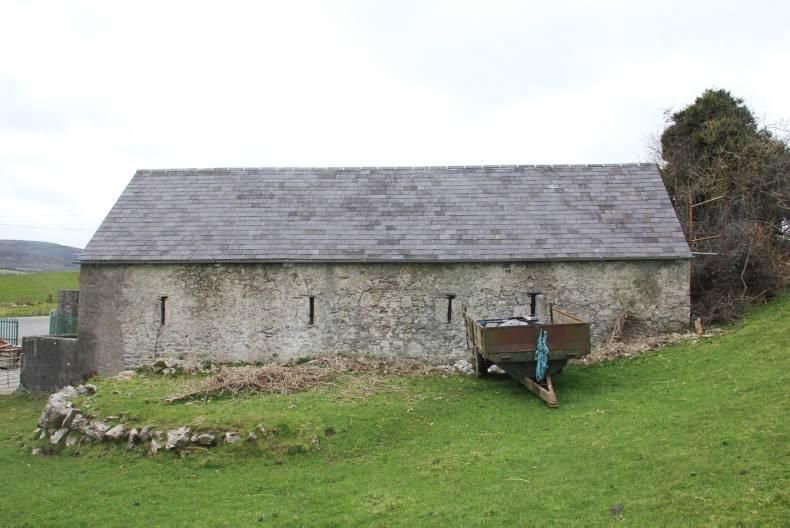
The previously unused traditional outbuilding now has a new lease of life as a lambing shed and Lacey said “it’s lovely to go out now and see the building back to what it was.”



SHARING OPTIONS