The EIF levy was introduced in the early 1970s as a means to fund farmer union activities in Brussels.
In 2014, a little over €5.3m was collected through the farmer levy system or the European Involvement Fund (EIF) as it is more formally known.
Levies are collected from farmer sales from all sectors of the agriculture sector, with contributions even coming from forestry and aquaculture. However, the majority (85%) of levies are collected from sales of cattle at factories and marts, and milk to dairy co-ops.
15c on every €100
In simple terms, the EIF levy consists of a 0.15% charge, or 15c on every €100 of sales by farmers. The levy is automatically deducted from farmer cheques by the co-op, mart or beef factory unless the farmer specifically instructs otherwise.
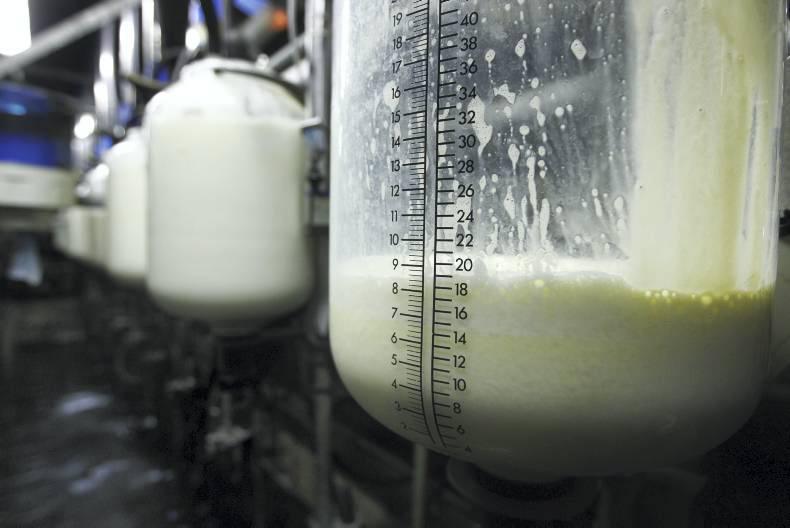
The milk levy generates the largest share (37%) of the EIF, with €1.95m contributed by dairy farmers in 2014. Levies collected through beef factories in 2014 amounted to €1.53m, or 29% of all EIF levies, while cattle and sheep sales through marts generated just over €1m in EIF levies in 2014.
The remaining €0.8m generated in EIF levies in 2014 came from other sectors with a 0.15% levy placed on poultry, pig, sheep and aquaculture sales. The levy is also placed on every tonne of grain and potatoes sold unless otherwise instructed by producers.
Listen to Irish Farmers Journal editor Justin McCarthy discuss Wednesday’s developments in our podcast below:
Read more
IFA and ABP levy row escalates fast
Will others follow ABP?
What do the developments on levies mean for farmers?
History of the EIF levy
Editorial: war of words between the IFA and ABP
The EIF levy was introduced in the early 1970s as a means to fund farmer union activities in Brussels.
In 2014, a little over €5.3m was collected through the farmer levy system or the European Involvement Fund (EIF) as it is more formally known.
Levies are collected from farmer sales from all sectors of the agriculture sector, with contributions even coming from forestry and aquaculture. However, the majority (85%) of levies are collected from sales of cattle at factories and marts, and milk to dairy co-ops.
15c on every €100
In simple terms, the EIF levy consists of a 0.15% charge, or 15c on every €100 of sales by farmers. The levy is automatically deducted from farmer cheques by the co-op, mart or beef factory unless the farmer specifically instructs otherwise.
The milk levy generates the largest share (37%) of the EIF, with €1.95m contributed by dairy farmers in 2014. Levies collected through beef factories in 2014 amounted to €1.53m, or 29% of all EIF levies, while cattle and sheep sales through marts generated just over €1m in EIF levies in 2014.
The remaining €0.8m generated in EIF levies in 2014 came from other sectors with a 0.15% levy placed on poultry, pig, sheep and aquaculture sales. The levy is also placed on every tonne of grain and potatoes sold unless otherwise instructed by producers.
Listen to Irish Farmers Journal editor Justin McCarthy discuss Wednesday’s developments in our podcast below:
Read more
IFA and ABP levy row escalates fast
Will others follow ABP?
What do the developments on levies mean for farmers?
History of the EIF levy
Editorial: war of words between the IFA and ABP







SHARING OPTIONS