


An independent, expert taskforce from the UK and USA has outlined a number of recommendations to safeguard against threats to food supplies in a new report for the Global Food Security programme. The UK-US Taskforce on Extreme Weather and Global Food System Resilience report shows that severe production shocks caused by extreme weather – whereby global food production is seriously disrupted – may occur as frequently as once every 30 years, where before they were only likely to occur once in every century.
The report says this is mainly due to the speeding up of climate change and food production of the most-important global commodity crops – maize, soybean, wheat and rice – coming from a small number of major producing countries, including China, the US, India and Brazil. Extreme weather events in these regions have the largest impact on global food production.
Therefore, the report highlights the need for agriculture to become more resilient in the face of extreme weather, while at the same time increasing productivity to meet an increasing global demand for food.
The Food and Agriculture Organisation (FAO) estimates that demand for food will increase over 60% above the current situation by 2050.
The report makes a number of recommendations to ensure greater adaptation and resilience. In agriculture, it says increases in productivity, sustainability and resilience to climate change will require significant investment from the public and private sectors, as well as new cross-sector collaborations.
The report also highlights the dangers of import and export bans, referencing a small weather-related production shock in 2007 and 2008, which, coupled with historically low stock-to-use levels, led to rapid food price inflation. It says the price increase was compounded by some countries imposing barriers to local export to ensure their own food security, leading to an FAO price spike of over 100%. A similar price spike occurred in 2010 and 2011, partly influenced by weather in eastern Europe and Russia.
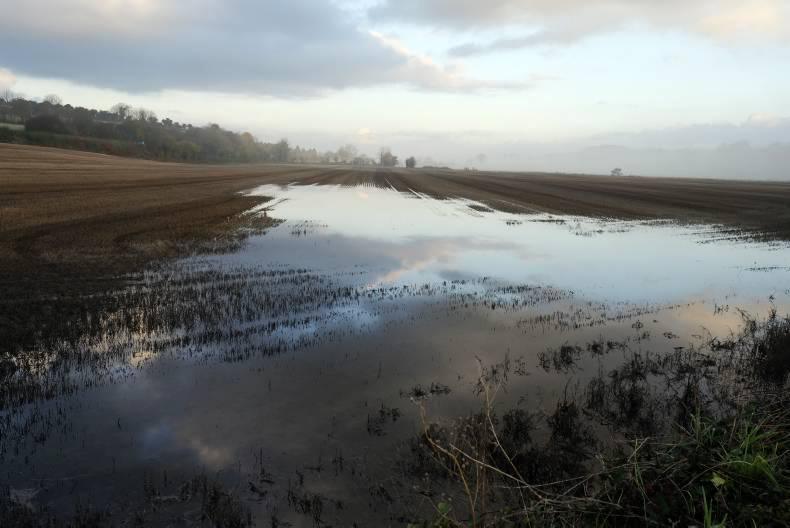
Professor Tim Benton, the Global Food Security programme champion, said: “It is likely that the effects of climate change will be felt most strongly through the increasing frequency of extreme weather events such as droughts, heatwaves and floods and their impact on the production and distribution of food – something we almost take for granted. Action is urgently needed to understand risks better, improve the resilience of the global food system to weather-related shocks and to mitigate their impact on people.”
So far this year, extreme weather events have impacted on a number of countries, including the ongoing drought in California on the western coast of the USA. The El Niño weather event is forecast to gain strength in the second half of 2015 and to continue into 2016, increasing rainfall on the US west coast, where drought has hampered milk production, but possibly causing droughts in Australia and New Zealand.





SHARING OPTIONS