


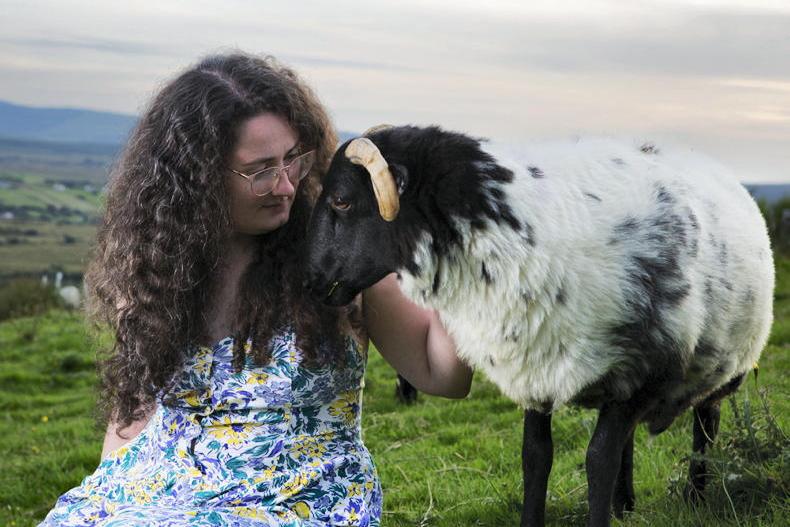
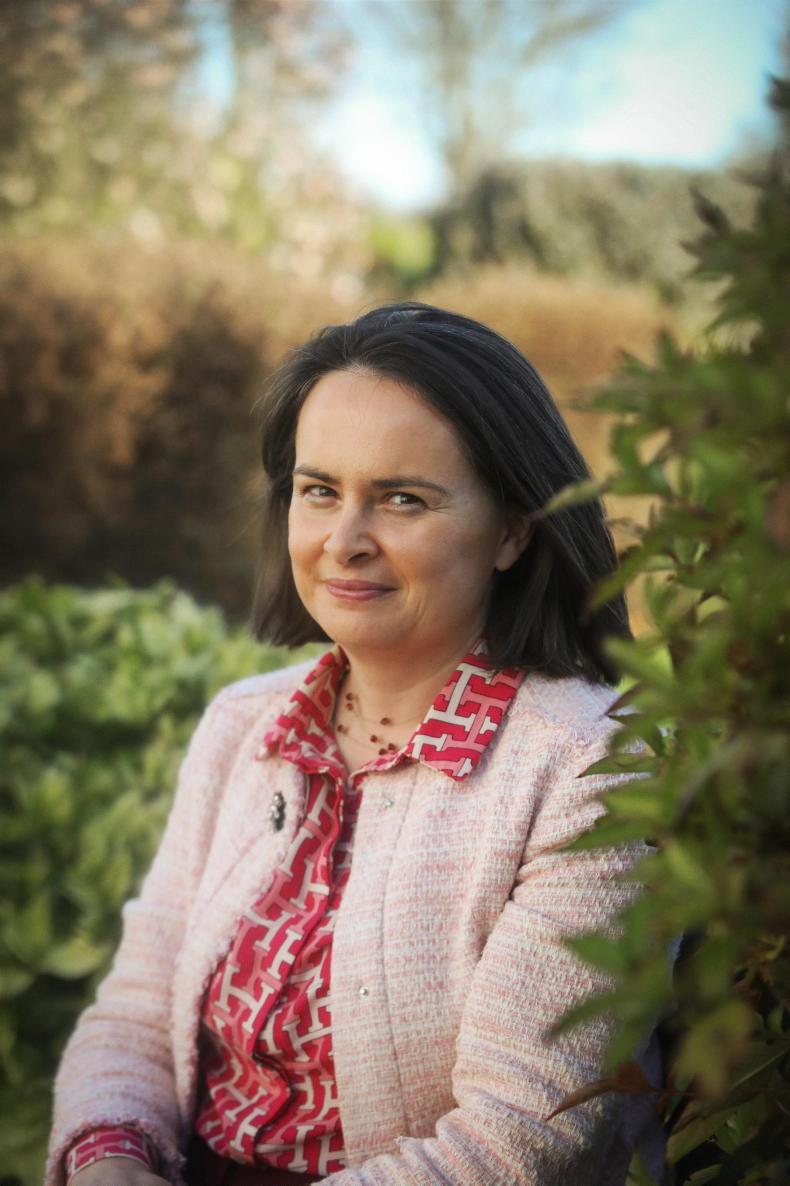
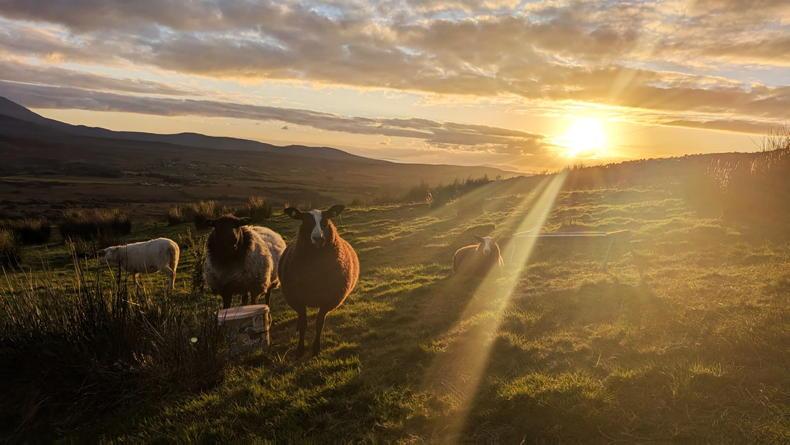
When Anne Coughlin moved from Boston to her family’s 2ac farm at the foot of Croagh Patrick, she brought a love of knitting, spinning and wool with her. What she didn’t have was a business plan. Now, with support from Technological University of the Shannon (TUS), Anne and her daughter Laura are exploring how their interests could open up new opportunities on the farm with their 12 sheep (Shetlands and Zwartbles).
Their story is one example of how farmers and aspiring rural entrepreneurs are finding new ways to diversify their businesses, develop new skills and create additional income streams.
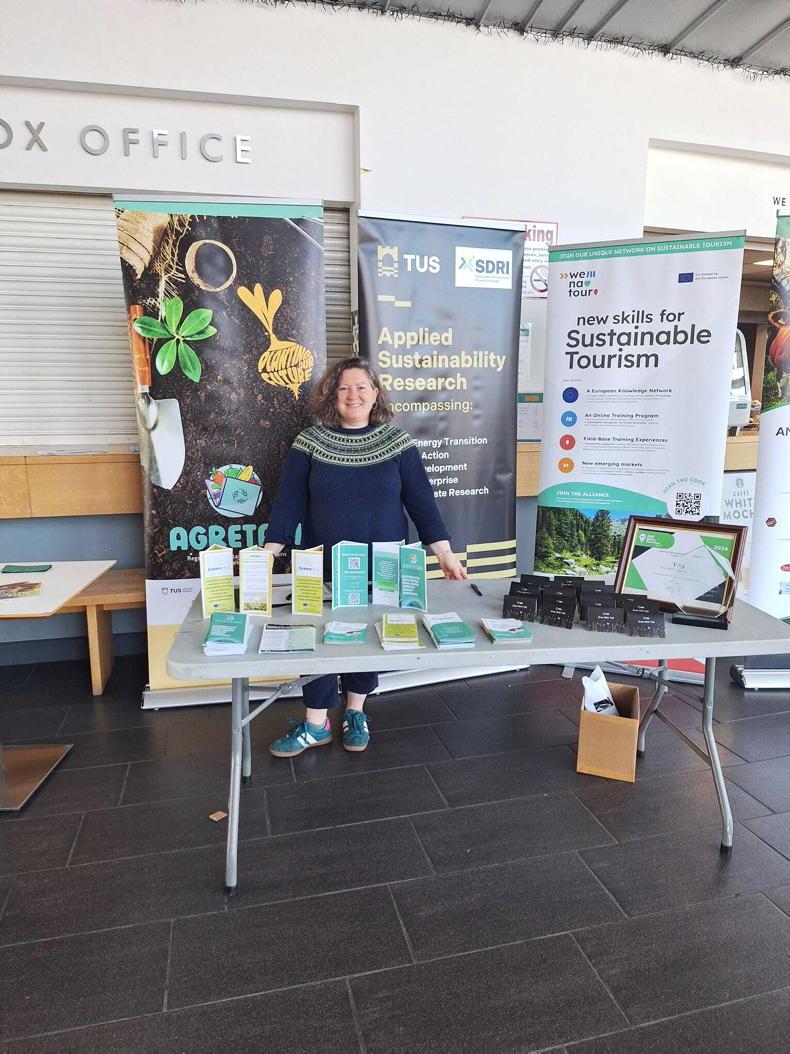
Elaine Cleary and Dr Marie Taylor identified a need for an alternative agricultural model that creates new opportunities for farmers. Based at TUS Thurles’s Sustainable Development Research Institute, the pair oversee Erasmus+ projects including AgriNext, Agretain and FarmElder, alongside the newly approved FarmInspire, to help participants turn ideas into potential business ventures.
“We are aiming to equip our learners, not just with the knowledge and skills, but also with the competencies and confidence to explore these new opportunities,” Dr Taylor says.
AgriNext (Agricultural and Rural Excellence Incubator and Platform for the Exchange of Competencies) is an Erasmus+ project supporting skills development and entrepreneurship in multifunctional agriculture. Its incubator at TUS in Thurles offers training, mentoring and business-planning support, while a digital platform provided practical guidance, networking opportunities and information on further learning, internships and jobs.
Emigrated to Ireland
Anne and Laura both grew up in Boston and had no conventional agricultural background. Anne’s mother emigrated there as a teenager and often spoke about her Irish farm. After her mother died, Anne moved to the family farm, which had 12 sheep, including Shetlands and Zwartbles. Laura had already relocated to Louisburgh, Co Mayo.
When Anne heard about AgriNext, she jumped at the opportunity to access its resources and support.
“We quickly realised that we needed some help with figuring out what steps to take and the planning you need to do to make a business out of it,” says Anne.
She also recognises the challenges of a startup. “Starting a small business is baby steps and I don’t know if we will ever make money, honestly that remains to be seen but it’s something we have a passion for.”
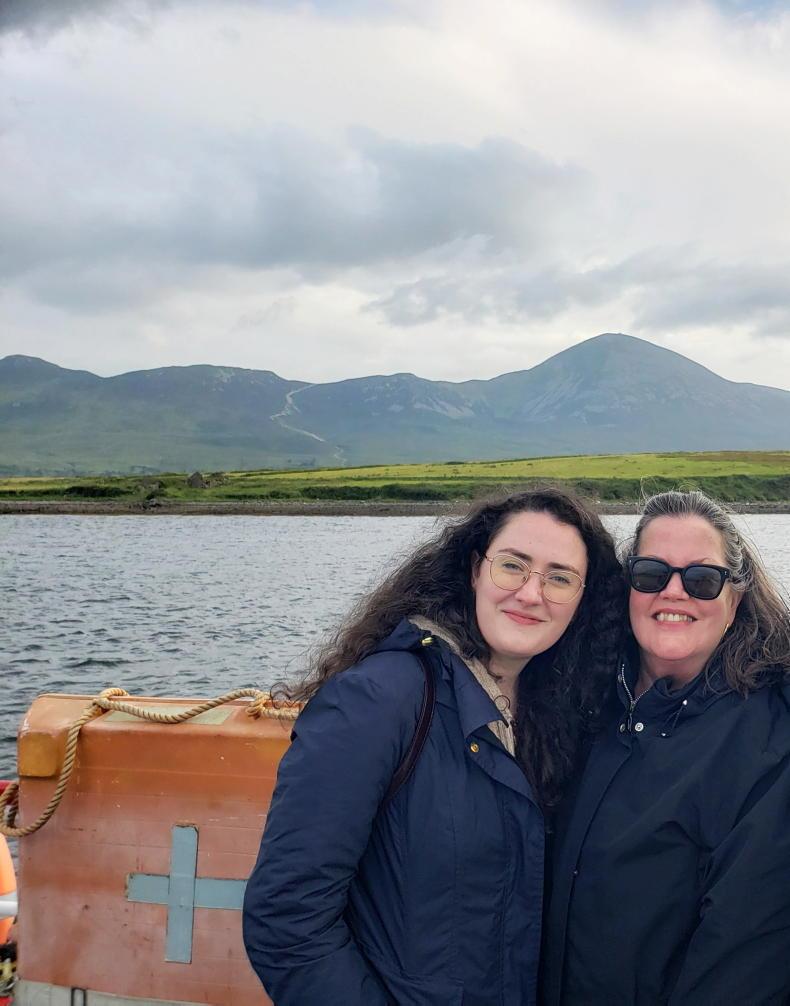
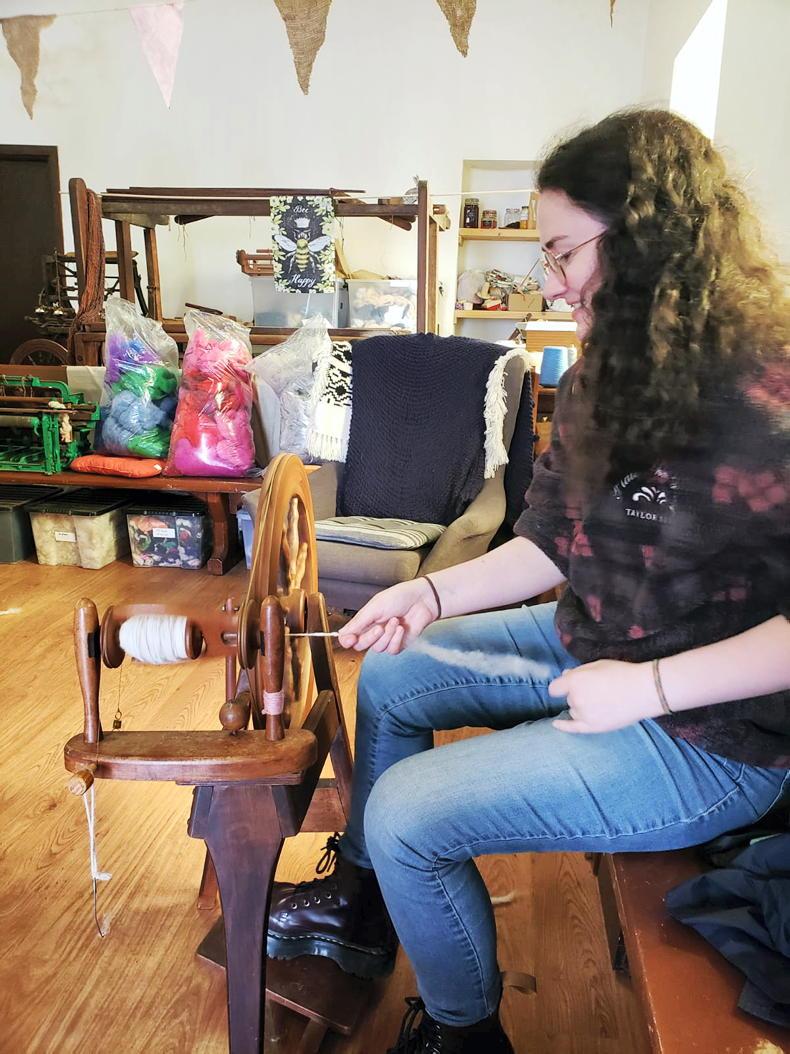
Having frequently visited Ireland as a child, Anne had noticed the interest among tourists in hands-on experiences. She and Laura also knew how to knit and spin and were fascinated by the wool industry.
“A lot of people want to get on a real working farm and see how things are going. I think there is a great fascination with how wool gets from sheep to a garment.”
Anne joined AgriNext to learn about business planning, pricing, funding and the practicalities of diversifying a farm.
“You might have the germ of an idea, and we both have the passion for the farm and for fibres, in particular. But that doesn’t mean that you know a lot about the world of starting a business,” Anne adds.
The programme helped her access information that would otherwise have taken considerable time to find, saying, “they pulled together a huge amount of information for us”.
It also helped her understand the importance of turning ideas into a practical plan.
“You can have so many ideas, but at some point, you have to put it down on paper. You have to outline, in a concrete way, what you plan to do, what the timing will be and what the cost will be,” she says.
The training also highlighted costs associated with welcoming visitors to a farm.
“There are a lot of costs that you might not think about when you are starting out. If we do decide to have tourists on-site, you have to think about facilities, accessibility, insurance and health and safety,” Anne says.
Learning from farmers who had already diversified was another key benefit.
“A lot of people who are already running businesses like this have been very generous with their time and advice – telling us what they did, the mistakes they made and what they learned.” Anne explains to Irish Country Living.
Key benefit
She is also full of praise for the TUS organisers for bringing together speakers from different areas of farm diversification, giving participants ideas and insights into running their own ventures.
“Many of the speakers were farmers who had been running their own business for several years and were willing to share their experiences, including how their original plans had evolved in response to practical challenges,” Anne says about the course.
Anne and Laura are now exploring ways to diversify, including producing spun wool and fibre crafts with wool (spinning, knitting, crochet and needle felting) and potentially developing farm experiences alongside their existing activities in Co Mayo. Laura’s teaching experience could also offer another opportunity:
“My daughter is currently teaching so that is apparently an attractive thing to offer,” Anne says.
Anne also has polytunnels on the farm. Having appreciated the support and advice available through AgriNext, she decided to enrol in another Erasmus+ project run by TUS: Agretain.
Agretain aims to support market gardeners with sustainable growing techniques and the business skills needed to run viable enterprises. It provides practical advice on business planning, funding and marketing, while developing hubs to support growers and encourage knowledge-sharing.
Both AgriNext and Agretain offer tailored support, allowing farmers to explore different approaches suited to their own agricultural enterprises.
Dr Taylor explains that the programmes help participants assess whether their ideas are viable, whether they are ready to be put into practice and what further knowledge or support might be needed.
“One of the reasons for securing funding for these projects was the range of barriers farmers can encounter when diversifying their businesses,” Dr Taylor says.
“A lot of farmers found that there were a lot of roadblocks that they hadn’t even thought of, things like planning permission, but also the cost [to charge] and a lot of farmers were undervaluing themselves,” Elaine says.
Time can also be a barrier for farmers who want to diversify or upskill but cannot commit to a full-time course.
“Not everybody wants a full-time course or has to dedicate themselves to a full-time course so the flexible learning can give these two bite-sized certificates or accreditation or digital badges so that farmers can learn in their own time,” researcher Elaine Cleary adds.
Across the Erasmus+ projects, participants are exploring innovative ways to diversify farm businesses and create additional income streams.
Ideas include developing technology to connect farmers with local markets, trialling powered hydroponics to produce protein-rich duckweed for animal feed, and creating sustainable agritourism ventures offering nature-based accommodation, birdwatching, farm-to-table experiences and wellness retreats.
Other proposals focus on opening organic farms to schools and local communities for educational visits, highlighting the potential to combine agriculture with technology, tourism, education, biodiversity and wellbeing.
Through practical training, mentoring and peer learning, TUS is helping farmers and aspiring rural entrepreneurs gain the knowledge and confidence to explore new possibilities for their businesses.
While the most recent AgriNext course has concluded, Agretain continues to support farmers interested in sustainable growing and market gardening.
For Anne and Laura, the process is one of taking small steps, learning as they go and seeing where their ideas might lead. Their experience reflects a wider opportunity for Irish agriculture, where looking beyond traditional farming activities can help rural enterprises develop new sources of income and build connections with the communities around them.
See tus.ie

