


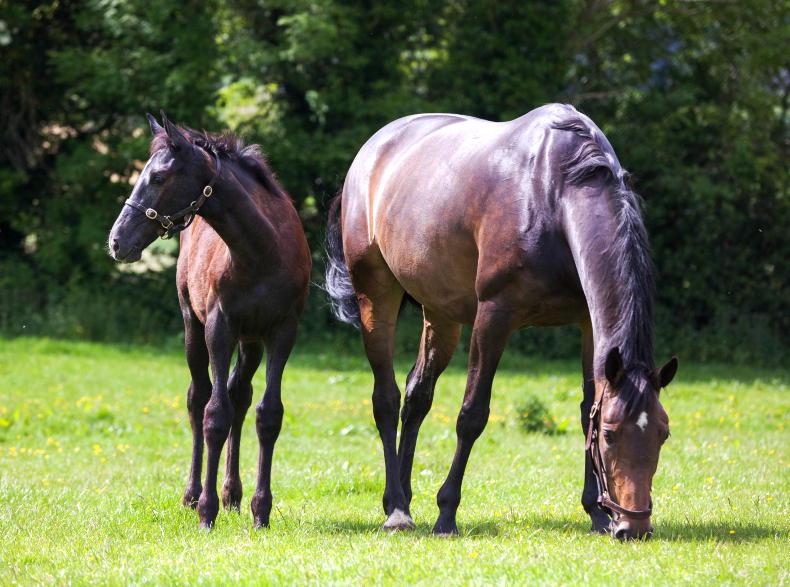
Weaning of foals, usually done between four and seven months of age, is very different to the more gradual weaning process in free-roaming groups of horses, where natural weaning usually happens at nine to 11 months of age.
Approaching the date of birth of the next foal, a mare shows reduced levels of tolerance of suckling by moving away, flexing the hindlimb to prevent access to the udder or showing aggression towards the foal when it approaches to suckle.
Research has shown that despite this prevention of access to the mother’s milk, and some degree of rejection, stress levels (measured by measuring stress hormones and monitoring behavioural signs) in both mother and foal, are normal throughout this natural weaning process.
Research also shows that abrupt weaning of foals is possibly the most stressful event in a foal’s life, and can have major negative impacts.
This includes the production of stress hormones which reduce the foal’s immune response, leading to them being more prone to infections, a negative impact on the gut potentially leading to the growth of harmful bacteria, development of stereotypic behaviours (such as crib biting, wood chewing and box walking) early in life (under two years of age), vocalisation, high levels of locomotion (running/pacing), suckling directed at other foals or horses and aggression towards other foals as well as a reduction in daily weight gain (growth).
Weaning
Gradual removal of mares from a group, one by one, will significantly lessen the negative impact of weaning on foals, and is hugely beneficial.
Selecting the dams of the most independent and mature foals for removal first allows the younger, less confident foals to have the benefits of the dam’s presence as long as possible.
Social separation has been shown to be the main cause of distress for the foal, rather than nutritional.
Allowing the foal social contact across a fence with its mother will greatly reduce stress levels. Separation can then be done in stages, with the foal adapting much better than following an abrupt separation.
Some basic early training of foals and weanlings will pay dividends in terms of manageability and safety, in the early months of life but also as the foal gains strength and size. Busy routines often result in handling being neglected or rushed, but this can result in missed opportunities for invaluable early life training in youngsters.
Horses are excellent at habituation (getting used to new things). Using this ability to gently introduce foals to necessary management practices, including leading, grooming and lifting feet at a young age will make it much easier and safer to carry out these tasks during the coming months/years.
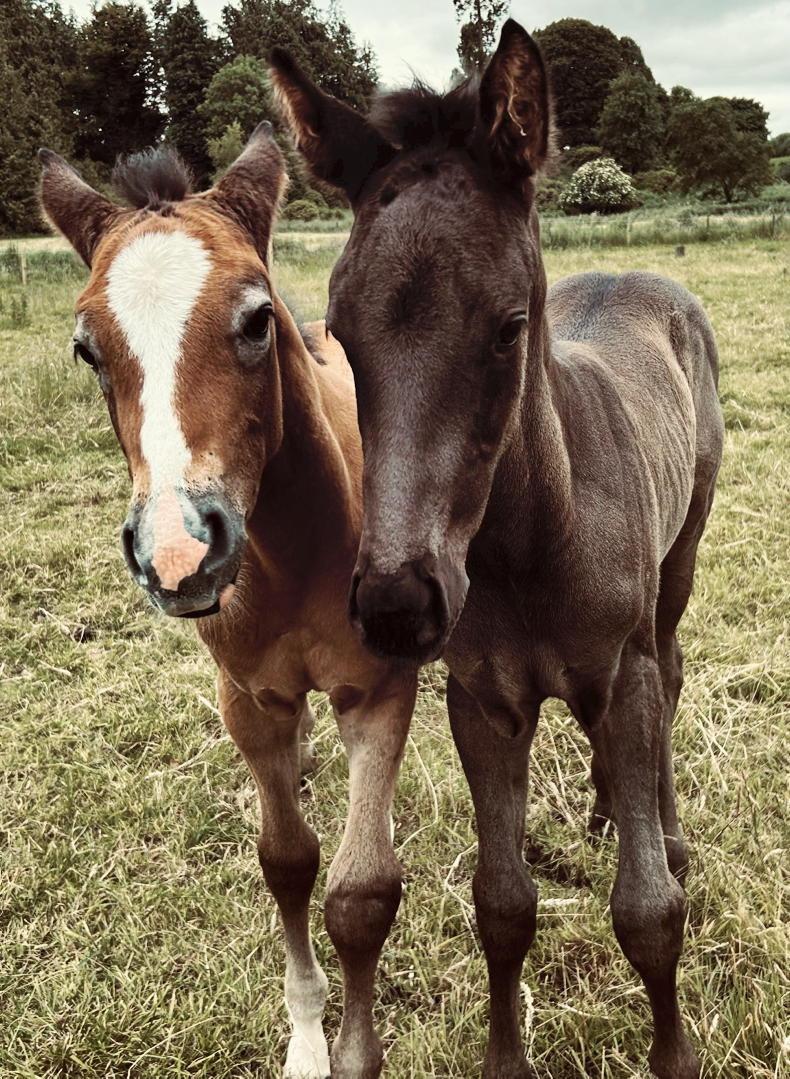
If neglected, the horse’s natural fearfulness of unfamiliar things can result in escape and avoidance efforts when the foal is stronger, and more likely to succeed in those efforts, or injure the handler. Any successful escape efforts will be repeated, and perhaps more strongly the next time (as a result of operant conditioning – associating a behaviour with the outcome). Many problem behaviours can begin in this way.
Creating positive associations where possible during handling, such as through a scratch on the withers or chest of the foal, will help that foal to enjoy interactions with humans.
It is important, however, not to reward or encourage any behaviours that will be problematic if performed by an adult horse, such as backing up for a scratch on the rump, or showing play behaviour directed at humans.
While these are non-threatening in juveniles, they can be dangerous in an adult horse.
Short but regular training sessions using a foal slip or headcollar, encouraging even one step forward and immediately releasing pressure, will quickly teach a foal how to respond to headcollar pressures. Beginning training with the foal standing at a wall where they can’t back away will make reversing and rearing less likely, and each correct effort resulting in release of pressure strengthens the learning.
Sensitive to stress
Over time, foals should be trained to be caught, led, tied up, have feet picked up, be groomed and loaded onto a trailer or lorry, with training taking place pre, during and post-weaning.
Foals are particularly sensitive to stress during the first three weeks of weaning so it is important not to subject them to anything stressful during that time.
Keeping training sessions short, carried out in familiar locations, with plenty of positive interactions (such as scratching on the withers) will help ensure that this process does not increase stress levels at this sensitive time.

