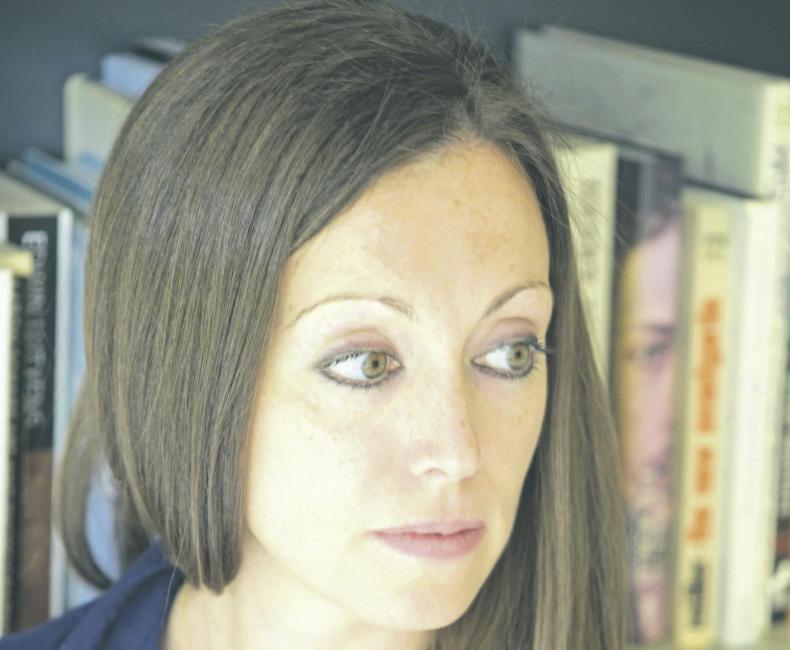
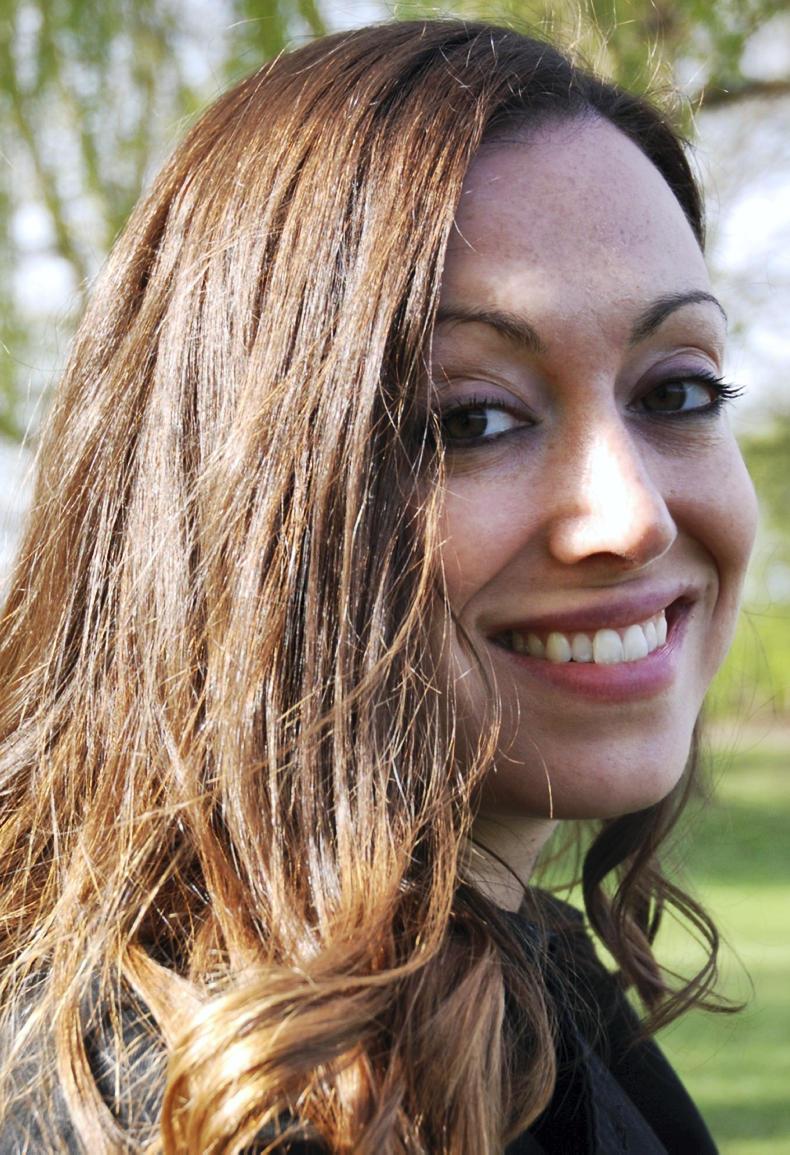
For Belfast author Lucy Caldwell, her passion for storytelling was part of her before she could even write, and despite receiving rejections suggesting that she should pursue another career, she went on to win numerous awards, putting Belfast in the spotlight.
“My mum said that before I could read, I would draw pictures and tell her what words I wanted. It was something that was always there,” says Lucy.
“I wrote my first novel, Where They Were Missed, when I was studying English Literature at university. Before I got a publishing deal, I received a rejection letter saying: ‘Lucy Caldwell thinks she is a writer, she might want to think again. Her quill doesn’t have a fine enough point on it.’”
Like many authors before her, Lucy proved her critics wrong and went on to achieve literary acclaim; but it wasn’t all smooth sailing.
“My second novel was tricky. Everyone assumed that my first was autobiographical, which it wasn’t. I was thrown by that. I was 24 when it was published and people kept saying: ‘You’re so young, what do you have to write about?’ I wasn’t telling my own stories necessarily, I was interested in people and the stories they had to tell,” says Lucy.
While writing novels, Lucy dabbled in other storytelling forms.
“I have always done playwriting and novel writing simultaneously and I have written radio drama. I constantly work across more than one form, which is quite an Irish thing.”
Multitudes
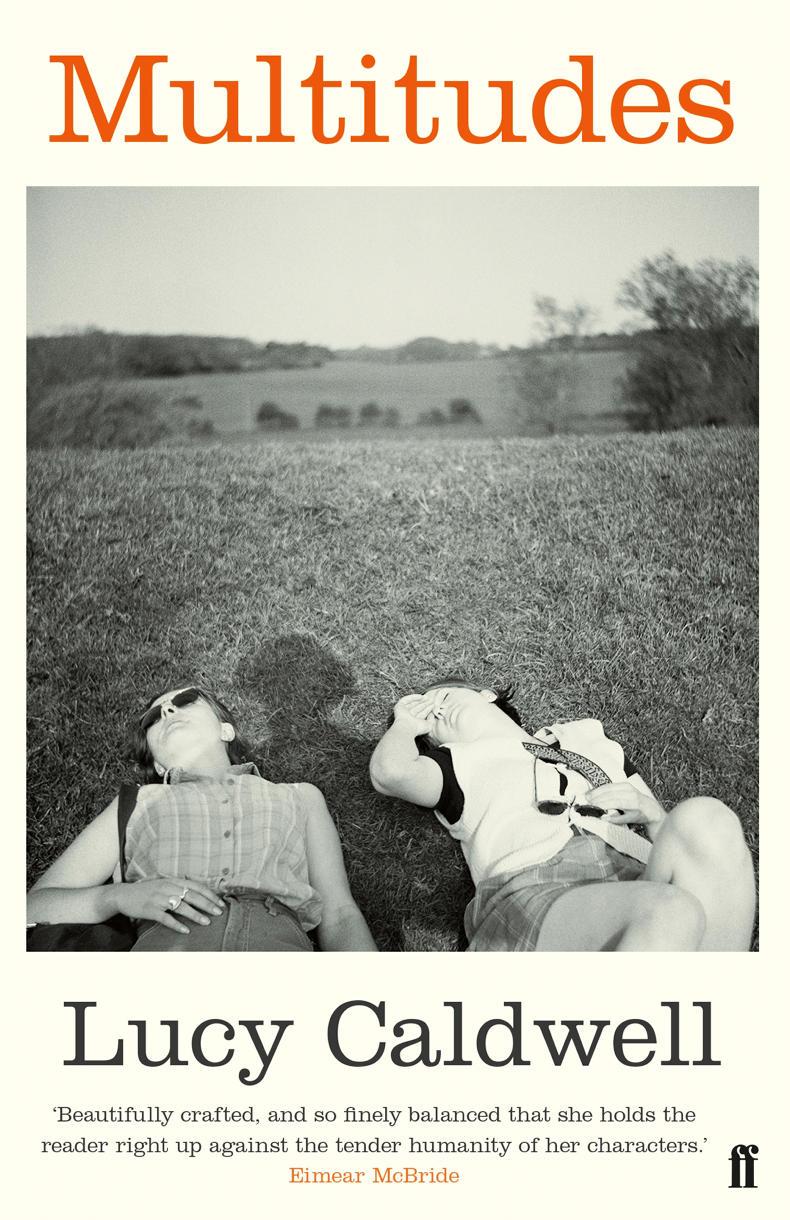
Lucy’s most recent publication, Multitudes, is a short story collection set during the Troubles in Belfast, highlighting that despite the political chaos, life went on.
“In Multitudes I wrote about a transgender child and mixed race relationships. Stories that belonged with that time, but the Troubles sucked the oxygen from other stories. I believe it is just as important to tell those stories because even though the Troubles was happening, people had to get on with their lives.”
The characters in Multitudes are trying to escape from their own circumstances, which is how young people like Lucy felt during the Troubles.
“There was a real sense growing up that you would go away and many wouldn’t come back. I have been in London for over a decade and I don’t think I could have written Multitudes if I was living in Belfast because those memories of the ’90s when I was a teenager wouldn’t be so vivid anymore,” says Lucy.
“My short story, Cyprus Avenue, highlights the conflicting desires of leaving somewhere and yet it doesn’t leave you. You are living elsewhere but you are constantly feeling the pull of home and how much it is part of you.”

Lucy’s parents are from different religious backgrounds, which had a play on her identity and writing.
“That gave me a sense of not being one thing or the other, which was something I wanted to celebrate with Multitudes – that sense of multicity. The idea that you can be both,” says Lucy.
“Growing up in Belfast, I had friends who considered themselves as Irish, but I had a British passport. It wasn’t until I went to England that I realised I didn’t feel English. That was when I applied for my Irish passport. I think of myself as Northern Irish.”
Women in literature
When it came to the inspiration for Multitudes, women in literature were the muse.
“Most of the stories that you read are male. Female writers get easily forgotten, whereas male writers and male stories get more celebrated,” says Lucy.
“When I started to write, especially theatre, many actresses said that people don’t tell women’s stories, which is why I made the decision to only write stories told by women and young girls in Multitudes.”
In her writing, Lucy wanted to capture a moment in time.
“I wanted to do to Belfast what Joyce did for Dublin. To have this cycle of stories that capture a place and time. I wanted them to be from a female point of view. Things are changing but when I was writing the collection it didn’t feel like that.”
Motherhood
Lucy recently welcomed her second child into the world and her little ones have shook up her writing, but in the best way.
“Becoming a mother gave me a new boldness. I cared less as to what people thought and it felt important to write more truthfully. I think I have done my best writing since having kids,” says Lucy.
“After my son was born, I had less writing time but it mattered more. I knew that I would have only certain periods in the day to write, so there was no time to waste.”
For more information on Lucy and her work, visit www.lucycaldwell.com
Read more
Haus of fashion
Everything is impossible
For Belfast author Lucy Caldwell, her passion for storytelling was part of her before she could even write, and despite receiving rejections suggesting that she should pursue another career, she went on to win numerous awards, putting Belfast in the spotlight.
“My mum said that before I could read, I would draw pictures and tell her what words I wanted. It was something that was always there,” says Lucy.
“I wrote my first novel, Where They Were Missed, when I was studying English Literature at university. Before I got a publishing deal, I received a rejection letter saying: ‘Lucy Caldwell thinks she is a writer, she might want to think again. Her quill doesn’t have a fine enough point on it.’”
Like many authors before her, Lucy proved her critics wrong and went on to achieve literary acclaim; but it wasn’t all smooth sailing.
“My second novel was tricky. Everyone assumed that my first was autobiographical, which it wasn’t. I was thrown by that. I was 24 when it was published and people kept saying: ‘You’re so young, what do you have to write about?’ I wasn’t telling my own stories necessarily, I was interested in people and the stories they had to tell,” says Lucy.
While writing novels, Lucy dabbled in other storytelling forms.
“I have always done playwriting and novel writing simultaneously and I have written radio drama. I constantly work across more than one form, which is quite an Irish thing.”
Multitudes
Lucy’s most recent publication, Multitudes, is a short story collection set during the Troubles in Belfast, highlighting that despite the political chaos, life went on.
“In Multitudes I wrote about a transgender child and mixed race relationships. Stories that belonged with that time, but the Troubles sucked the oxygen from other stories. I believe it is just as important to tell those stories because even though the Troubles was happening, people had to get on with their lives.”
The characters in Multitudes are trying to escape from their own circumstances, which is how young people like Lucy felt during the Troubles.
“There was a real sense growing up that you would go away and many wouldn’t come back. I have been in London for over a decade and I don’t think I could have written Multitudes if I was living in Belfast because those memories of the ’90s when I was a teenager wouldn’t be so vivid anymore,” says Lucy.
“My short story, Cyprus Avenue, highlights the conflicting desires of leaving somewhere and yet it doesn’t leave you. You are living elsewhere but you are constantly feeling the pull of home and how much it is part of you.”
Lucy’s parents are from different religious backgrounds, which had a play on her identity and writing.
“That gave me a sense of not being one thing or the other, which was something I wanted to celebrate with Multitudes – that sense of multicity. The idea that you can be both,” says Lucy.
“Growing up in Belfast, I had friends who considered themselves as Irish, but I had a British passport. It wasn’t until I went to England that I realised I didn’t feel English. That was when I applied for my Irish passport. I think of myself as Northern Irish.”
Women in literature
When it came to the inspiration for Multitudes, women in literature were the muse.
“Most of the stories that you read are male. Female writers get easily forgotten, whereas male writers and male stories get more celebrated,” says Lucy.
“When I started to write, especially theatre, many actresses said that people don’t tell women’s stories, which is why I made the decision to only write stories told by women and young girls in Multitudes.”
In her writing, Lucy wanted to capture a moment in time.
“I wanted to do to Belfast what Joyce did for Dublin. To have this cycle of stories that capture a place and time. I wanted them to be from a female point of view. Things are changing but when I was writing the collection it didn’t feel like that.”
Motherhood
Lucy recently welcomed her second child into the world and her little ones have shook up her writing, but in the best way.
“Becoming a mother gave me a new boldness. I cared less as to what people thought and it felt important to write more truthfully. I think I have done my best writing since having kids,” says Lucy.
“After my son was born, I had less writing time but it mattered more. I knew that I would have only certain periods in the day to write, so there was no time to waste.”
For more information on Lucy and her work, visit www.lucycaldwell.com
Read more
Haus of fashion
Everything is impossible







SHARING OPTIONS