


As beekeepers open their hives for their first inspection of 2014, there is sure to be apprehension. The first inspection will give an immediate picture of the state of the bees and the amount of stores still available to them. Some colonies will be strong and prospering, while others may be lagging behind. The beekeepers expertise will be taxed as he or she struggles to pinpoint the reasons for non-performance in some of them. Are diseases present, such as chalk brood or nosema, which are holding the colony back? The reasons are many and varied.
Bees have been inside their hives since late last autumn, only coming out on infrequent occasions to pass waste. During winter, bees are in cluster in the hive, only breaking it in spring. Beekeepers do not open hives during the winter months for fear of disturbing the cluster and cooling them down. The bees in the winter cluster were born last autumn and have a lifespan of six months, they are known as winter bees. Summer bees have a lifespan of six weeks.
Fat bodies in the winter bee are energy stores, making it possible for these bees to survive so long. One other unusual feature about the winter bee is that she must be able to produce bee milk again when the first young brood becomes available in the hive in the early part of the year. Young worker bees normally produce bee milk to feed the young. This happens after the first few days of life.
They consume pollen, which is necessary for the hypopharnygeal glands to produce this milk. When the bee is older and becomes a forager, gathering nectar and pollen, the milk-producing glands change use from milk production to the production of an enzyme called invertase, used in converting the sugar sucrose to glucose and fructose. So any bee which was a forager last autumn and produced invertase will start producing bee milk again.
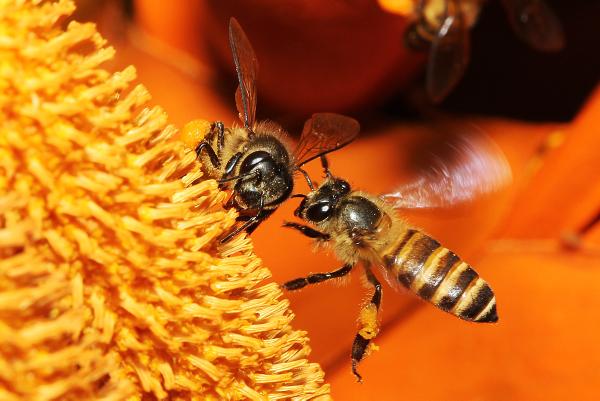
Throughout the month of March, beekeepers will have been watching bees flying into the hives with pollen loads on the pollen baskets of their hind legs. Beehives should not be opened until the daily temperature is about 14oC or more. Without interfering with the hive, the beekeeper can say for certain that brood rearing is taking place in the hive once he or she sees pollen loads being brought into it by bees.
As soon as the daily temperature is suitable, the first inspection takes place. Beekeepers have a basic checklist with which to assess the colony. These checks consist of ensuring there are sufficient stores to feed the colony, enough empty honeycomb so that the queen has plenty of cells in which to lay eggs and, of particular importance, evidence that the queen is actually laying eggs free from diseases.
Early nectar and pollen supplies come from crocus, snowdrops, willows and dandelions. The big nectar flows of spring come from the trees. The sycamore, horse chestnut and maple are just some excellent nectar suppliers.
In order to collect this nectar, beekeepers must place some means of collecting it on the hive. This is done by placing boxes called supers, which contain honeycomb or wax sheets, over the brood box (brood chamber) which the bees will produce honeycomb on.


SHARING OPTIONS