



The decision to start a family is a monumental lifestage for any couple, but what happens when you become instant, first-time foster parents overnight with the arrival of three young siblings?
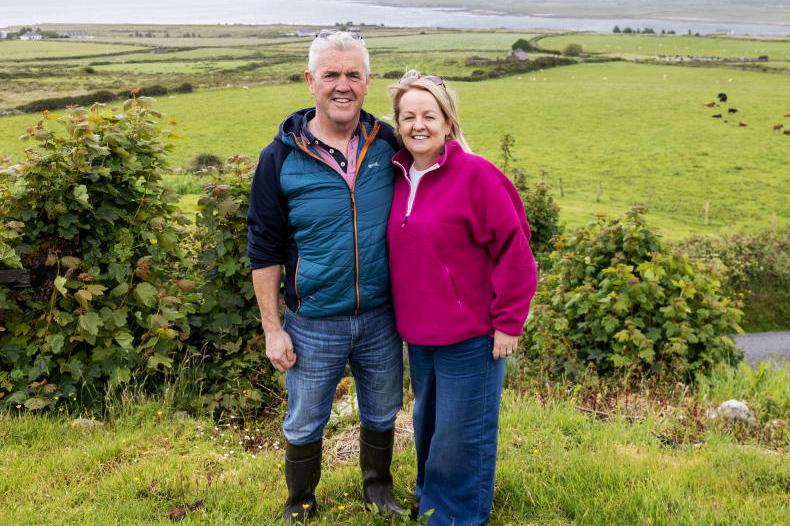
Breeda and Micheál Walsh are suckler and sheep farmers from Ballycastle on the northern coast of Mayo. After enjoying married life as a carefree couple for over 25 years, they took the plunge and became general foster carers almost four years ago.
Shattering the misconception that a foster carer must be below a certain age to take in a child, both Breeda and Micheál were in their early 50s when they became foster parents.
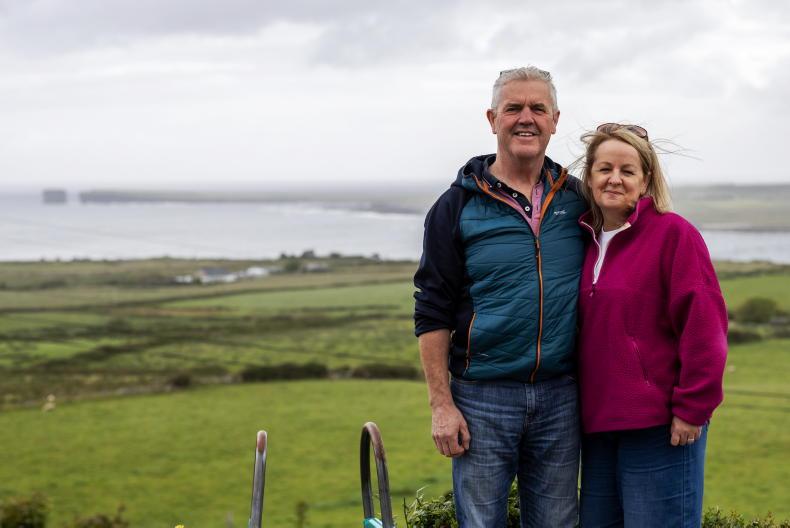
Speaking to Irish Country Living at their home overlooking the famous Dún Briste sea stack in the north Atlantic, the couple share the details behind what has been a life-changing experience.
“We initially thought about fostering about 10 years ago and signed up for a course,” explains Breeda. “We were told after we finished it that we would be assessed but that never happened. We had accepted the fact we weren’t having a family of our own, but when that first fostering process didn’t move along, we kind of forgot about it.
“Then in 2021 we were approved for an emergency foster placement and the social care worker urged us to revisit the general fostering process. A year later we flew through the assessment and we’ve never looked back.”
Safe space
Fast forward four years and the couple are now foster parents to three sisters, aged six, nine and 11, who will be with Breeda and Micheál for long-term care.
“We only got a few hours’ notice that the girls were coming to us, the youngest of whom was only two at the time,” says Breeda.
Micheál describes that first weekend as a whirlwind of cots, car seats and chaos.
“We were so green at the start. We had no car seats for the girls so the social worker told us to hold on to the ones they used to bring them to us on that first evening. The next morning we went out, all five of us, to buy what we needed. We never noticed that the shop we went to had a big Toymaster as part of it, and sure once the girls got inside the door they scattered like chickens,” he says, laughing.
Breeda was determined to get settled with her new young charges before introducing them to the wider family.
“We put a ban on all visitors, including family, for the first week or two as we wanted the girls to settle in and feel safe. Everyone was so supportive – the amount of clothes and food and toys that were dropped off those first few weeks was incredible, but we wanted to form our own relationship with the girls first before introducing any more new people.
“They felt at home immediately, but we had to give them time to set their boundaries, while learning they were in a safe space.”
When the girls first arrived with the couple, it was on an initial three-month placement.
“We wanted to make as much of a positive impact on their little lives in such a short timeframe, but we had a lot of learning to do. We knew we would have them for Christmas so we went all out with the big tree and the decorations and Santy.”
Ollie the donkey
The couple have been granted a long-term care order for the girls, who will be with them until they turn 18, and beyond as far as the family is concerned.
“The eldest little lady loves bringing up the sheep – and lambing season is everyone’s favourite time of year,” says Micheál.
“We had a sick lamb in the house this year, which is the first time in a very long time I’d have brought one in, but when I found him in one of the drains, he was in a pretty bad way. The girls loved fussing over him but I had a job keeping the touching to a minimum as I didn’t want the ewe to reject him when I put him back with her.
“I breed Dexters. We’ve a herd of about 30 in the shed, and the girls love feeding the calves. They have to be registered with the Irish Dexter Cattle Society so the girls have had a strong hand in naming them. We have Rosie and Beauty and there’s a Moana and an Aurora in there too.
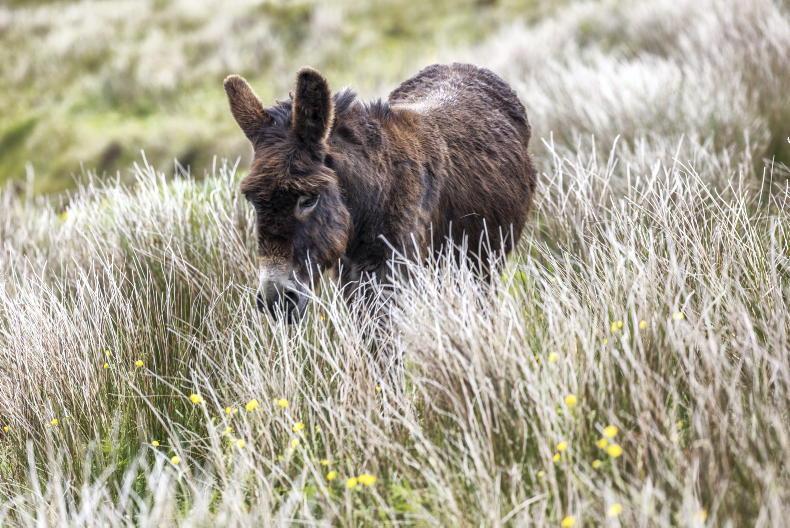
“Ollie the donkey is also a big hit with the middle girl especially, who is the only one who can get him to do anything. She’s up to him every morning with an apple before school and he’ll trot down the field when he sees the school bus coming in the afternoon.”
When asked if being a farm family has been a help in the overall fostering experience, Breeda says it has given the girls a freedom they didn’t know before.
“The beauty of raising the girls here on the farm is that we have so much room. There’s endless space and the fact the fields are all to the front of the house, which is up on a height, means we can see the kids wherever they go. There’s no such thing as a garden but they have the freedom to roam, like we would have done when we were kids,” she explains.
“Our school bus driver lives down the road and he collects and drops the girls at our front door. They see him coming in the morning and are down at the gate ready for him. The neighbours are all farmers and all know the girls, so they’re a part of the community now, and it’s important that they feel that sense of belonging.”
Both Breeda and Micheál say the experience of fostering has changed their lives completely.
“I used to be an accounts administrator and absolutely loved my job but I would never go back. No career, salary or growing pension fund will ever come close to the sense of achievement we have in seeing the girls grow,” she adds.
“Watching them develop their own strong individual personalities, become so confident, do well at school, be competitive, be all the things which little girls their age should be, it’s so rewarding.”
Ollie the donkey is also a big hit with the middle girl especially, who is the only one who can get him to do anything. She’s up to him every morning with an apple before school and he’ll trot down the field when he sees the school bus coming in the afternoon
Micheál smiles when he reflects on how impatient he was in the past with friends who cried off a night out because they had young children.
“We have so much respect for young families and working parents. We hadn’t a clue before about the pressure they’re under. We didn’t appreciate it or understand it. When it was just the two of us, we couldn’t understand if friends with kids couldn’t make a night out. We’d assume it was as simple as getting a babysitter. Boy, do we get it now.”
Peer support groups
Monthly peer support groups give Breeda the chance to meet other like-minded foster carers.
“It’s invaluable to meet up with other people who understand what you’re going through. Being honest I leave those meetings thinking how lucky we are to have three healthy children, who have come through trauma but are dealing with it through weekly therapy,” she explains.
“Tusla organise family fun days in conjunction with IFCA, twice over the summer and then two more in the run-up to Christmas. It’s a great leveller for the kids as everyone there is with their foster parents and it’s a really lovely day out for us all.”
Micheál says the difference a stable home life has made to their three girls has convinced him it is something everyone should consider doing to help families in crisis.
“Our three have slotted in so well to the community, which is down to Breeda as she organised so many play dates at the start, particularly for the older two girls who were in school at the time. All three of them are really sociable, we’ve them in everything from football to swimming and it’s a privilege to be a part of it all,” he adds.
“The number of kids in care in this country is frightening and it’s on everyone’s doorstep; they just don’t know it.
“I think people are afraid to foster because of the knowledge you will be handing back a child you care for. You do have to be prepared for that but you also have to remember this isn’t about you, it’s about the child.”
June is National Fostering Awareness Month and Tusla is actively encouraging people to consider becoming a foster carer.
“Right now, in every part of Ireland there is a need for foster carers,” says Jacqueline Smyth, Tusla’s National Lead for Fostering.
“Every child deserves the chance to live in a home within their own community. There is no upper age limit for fostering, and foster families can include single people, same-sex couples, single parents, job seekers and renters.”
For more information about fostering, visit fostering.ie, or email tusla.fostering @tusla.ie or freefone 1800 226 771.


SHARING OPTIONS