


Who would have thought earlier in the year that it would be possible to get any honey. Bees were in such a weak state, having endured a long winter and extended spell of cold winds, leaving up to 50% of the population dead.
Getting any honey would at best be something to dream about. Thankfully, July turned good for the blackberry and white clover, which provide the main crop for most beekeepers in Ireland.
Beekeepers managed to replace losses, which were substantial in some cases, and finally get a crop of honey. Not only did July oblige, but the August weather was the cherry on top of the cake. Bees continued to gather nectar and pollen from many plants, so securing colonies with stores and good bee populations.
One may often hear of heather honey, which is a unique product with its strong flavour and dark colour. It is collected by bees from the ling heather which flowers from mid-August to the end of September. The plant requires heat and humidity to yield nectar. Despite having what would appear to be good conditions during parts of August and September, the yield was extremely poor.
One might speculate that perhaps a lack of rainfall earlier may have impacted on the plant. Much of the heather is woody. Traditionally, heather was burned from time to time, allowing young plants to generate, providing a better chance of producing good nectar flows.
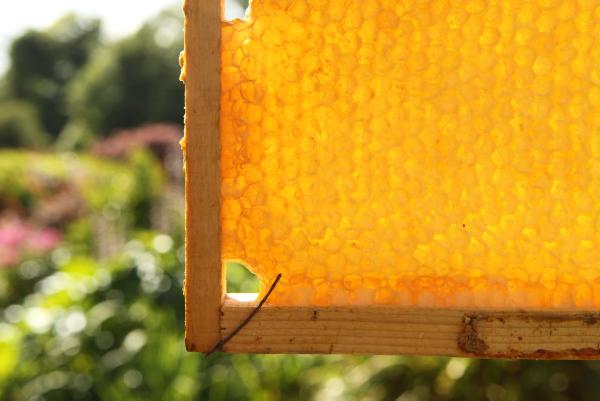
Heather honey is produced in the form of wooden sections and cut comb, which is honeycomb cut into blocks and placed into tubs. The reason the honey is produced in this way is simply because it cannot be extracted from the honeycomb in the same way as other honey.
Specialised equipment is required to agitate it in the honeycomb before extracting, since it is a thixotropic liquid. Upon agitation, it liquefies and reverts to gel state again on settling.
Most beekeepers will not have equipment to do this agitation. However, it is possible to press the honey out of the honeycomb using a press, leaving a block of wax behind. Bees fill the brood chambers with heather honey, providing a good winter store. Beekeepers often debate whether ling heather on low areas, such as bogs, yields nectar to the same extent as that growing on the mountains.
Every autumn, wasps come out in force and this year they were in abundance. They are very useful in nature, but will avail of every opportunity to get past guard bees at the hive entrance so that they might carry home the bees’ winter store of honey.
Beekeepers feed their bees in the autumn to boost the winter store. The wasps are very tuned to the available food and so may persecute a hive by arriving in numbers and eventually overpowering the guard bees and so gain entry to carry away the stores.
Beekeepers try to prevent wasps and other bees from robbing stores by restricting the hive entrances to one or two bee spaces.
The practice of restriction makes it easier for the guard bees to control entry. CL




SHARING OPTIONS