Stand in front of the mirror, look yourself straight in the eye and say these words aloud: “I know I need to invest in and nurture my relationship with myself. I am learning not to be afraid of change. I take the risk to grow so that I can create a better life for myself, become more aware of my choices and take one small step at a time. I am willing to take this first step and I am certain that my other relationships will naturally improve.”
How does that feel? Personally, when I tried it out, it felt a bit strange, a bit off. Alright, I will admit it: I felt a bit stupid.
This is one of the affirmations in Abby Wynne’s new self-healing diary for 2018 One Day at a Time, and I when I arrived at her office I was a bit sceptical.
I checked myself into professional journalist mode, though, opened my mind and – after a lovely chat in Abby’s relaxing office in Dún Laoghaire – I found that this lady speaks a lot of sense.
Access your inner wisdom
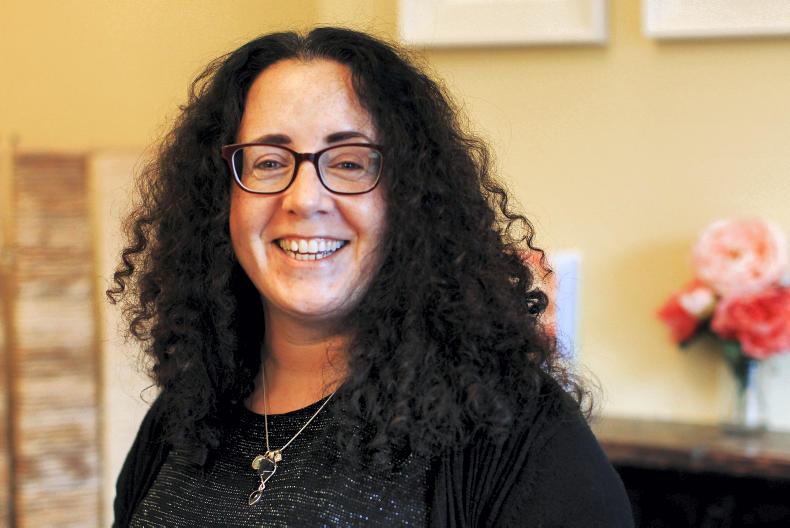
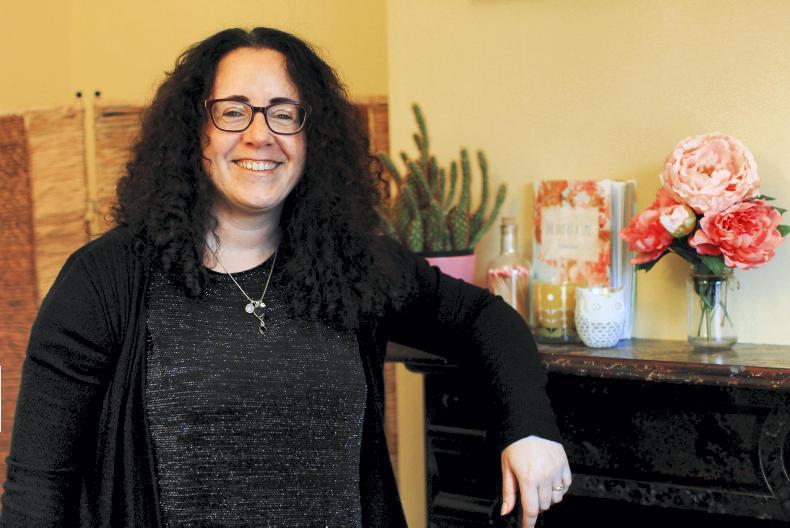
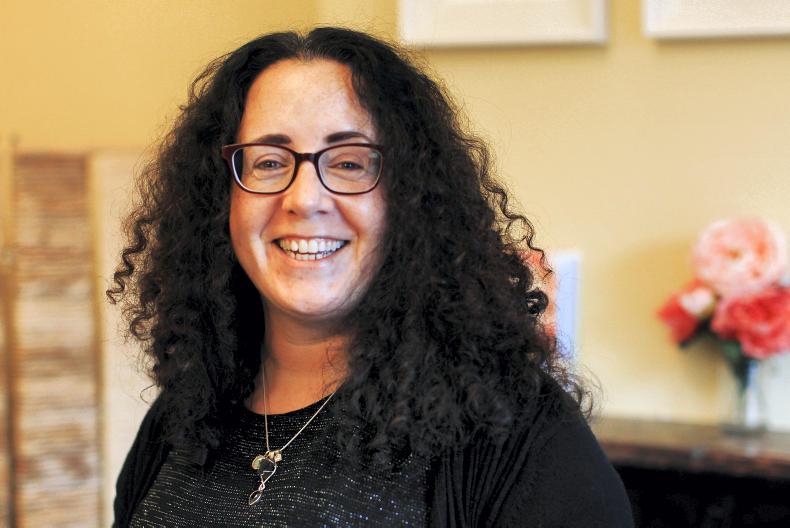
Abby Wynne is a shamanic psychotherapist and teaches people how to connect their mind, heart and soul to access their inner wisdom, let go of fear and become more available for life. In simple terms, it comes down to the simple mantra, look inside yourself to find the answers.
Abby explains more: “In my 20s, I had a spiritual crisis. There were a lot of things going on in my life, so I went to see a counsellor. Counselling is when you talk to someone, they listen and repeat things back the way you said it, because you might not have heard what you said.
“If we take it to another level, psychotherapy is where you and your therapist talk about what’s going on, and you go in and transform the way you think about it, look at it in a different way.”
Finding another way
While both approaches work very well for most people, for Abby it wasn’t getting to the root of her problem. “All this was still focused on the mind, which is where shamanism came in. It’s about energy healing, working with your subconscious, which really is a concept that people are quite familiar when you think about how we analyse our dreams, our subconscious.
“So we weave the shamanism and the psychotherapy together, it’s about talking about the problems and looking into our soul to find the answer within.”
Abby says clients don’t need years of counselling with her. Often a session or two can be all that is required to work on an issue, but in her new book, she equips readers with the tools to grow over the space of a year.
Each month is given a theme. You focus on the affirmations in the book, while it also gives you the space to write your own thoughts and musings and see them develop as the months pass.
Abby assures me that my hesitation to embrace the affirmations is quite common. Phew. “The monthly themes of the book build upon each other. So in the early months of the year, it’s about awakening, being gentle and forgiving. It can be as simple as: ‘I will just observe what I am thinking without judging myself.’
“It is really hard to do that and you might only believe it 40% while somebody else believes it 60%. Very rarely will people believe it 100%, but it’s planting a seed.
“As you move through the months, something in you will ease with the process.” This might also have to do with the fact that we start to heal ourselves as the months progress.
Our ideal, perfect self
Abby says: “We all hold in our mind an ideal perfect self, but that keeps getting pushed further away. Let’s get real: it doesn’t exist and never will. So let’s create your healed self, which doesn’t care as much, which doesn’t carry as much pain.
“It’s about grounding yourself, giving you a foundation rather than being a breeze, knowing you are capable of dealing with what life throws at you.”
Abby says that doesn’t mean you don’t become upset. “If something bad happens in life, you are allowed to grieve, to feel upset. However, as you heal, you take it less personally, you hold onto it for less time, you can rationalise it quicker and easier and you can physically let it go. “You are allowed get angry, but you just aren’t going to carry it for six months anymore.”

One Day at a Tim, by Abby Wynne.Although some of the affirmations can appear a bit abstract, when we drill down into them further, many hold real meaning and a lot of sense.
“I give myself permission to open my heart and let more beauty into my life.”
“Giving yourself permission is an interesting concept. By constantly giving yourself permission, it is like something in your brain activates and you set yourself up to inviting in beauty and positive energy,” Abby explains. “Take, for example, someone giving you a compliment. They say: ‘Your hair looks lovely today.’ What is your reaction? Is it: ‘Oh no, I could really do with a haircut’? You’re not accepting that positively, you’re not taking the goodness from your friend’s compliment.
“Give yourself permission to receive it, accept it, really hear it – and you will both benefit from the compliment long after the words have been spoken,” she says.
Dial down the drams
“The more joy I feel, the less drama and conflict in my life.” Some people get pleasure out of drama, they get pleasure out of gossip, they can’t be at peace with themselves, with the stillness. They always have to be doing stuff, watching soap operas and looking out the window at the neighbour across the road.
“But look within to find joy and know the difference between what you really need versus what you think you need. This is like a buoyancy. When you fill yourself up with joy, become content in yourself, you don’t need to get entangled in other people’s drama.
“I release everyone in my life from my expectations.”
“I had a client once ask me: ‘Why don’t my parents accept me?’ ‘Well, do you accept them,’ I asked? ‘Of course not,’ she answered. ‘They are demanding and critical ...’ the list went on. ‘Do you accept yourself?’ I asked. ‘No, not at all. I am selfish and unreliable ...’ Again the list went on.
“‘Well,’ I asked, ‘how can you expect them to accept you when you don’t accept them – and you don’t accept yourself?’
“People give power to others, and those people don’t even know what you expect of them. The hidden clause in this is, if you release yourself from your expectations, you are doing it for other people as well.
“So stop being so hard on yourself. It always comes back to this: the relationship you have with yourself. It sets the tone for all the other relationships you have in your life. So if you are really hard on yourself, that will be reflected in your expectations of others also,” concludes Abby. CL
Read more:
Overcoming anxiety attacks
Minds matter in college
Stand in front of the mirror, look yourself straight in the eye and say these words aloud: “I know I need to invest in and nurture my relationship with myself. I am learning not to be afraid of change. I take the risk to grow so that I can create a better life for myself, become more aware of my choices and take one small step at a time. I am willing to take this first step and I am certain that my other relationships will naturally improve.”
How does that feel? Personally, when I tried it out, it felt a bit strange, a bit off. Alright, I will admit it: I felt a bit stupid.
This is one of the affirmations in Abby Wynne’s new self-healing diary for 2018 One Day at a Time, and I when I arrived at her office I was a bit sceptical.
I checked myself into professional journalist mode, though, opened my mind and – after a lovely chat in Abby’s relaxing office in Dún Laoghaire – I found that this lady speaks a lot of sense.
Access your inner wisdom
Abby Wynne is a shamanic psychotherapist and teaches people how to connect their mind, heart and soul to access their inner wisdom, let go of fear and become more available for life. In simple terms, it comes down to the simple mantra, look inside yourself to find the answers.
Abby explains more: “In my 20s, I had a spiritual crisis. There were a lot of things going on in my life, so I went to see a counsellor. Counselling is when you talk to someone, they listen and repeat things back the way you said it, because you might not have heard what you said.
“If we take it to another level, psychotherapy is where you and your therapist talk about what’s going on, and you go in and transform the way you think about it, look at it in a different way.”
Finding another way
While both approaches work very well for most people, for Abby it wasn’t getting to the root of her problem. “All this was still focused on the mind, which is where shamanism came in. It’s about energy healing, working with your subconscious, which really is a concept that people are quite familiar when you think about how we analyse our dreams, our subconscious.
“So we weave the shamanism and the psychotherapy together, it’s about talking about the problems and looking into our soul to find the answer within.”
Abby says clients don’t need years of counselling with her. Often a session or two can be all that is required to work on an issue, but in her new book, she equips readers with the tools to grow over the space of a year.
Each month is given a theme. You focus on the affirmations in the book, while it also gives you the space to write your own thoughts and musings and see them develop as the months pass.
Abby assures me that my hesitation to embrace the affirmations is quite common. Phew. “The monthly themes of the book build upon each other. So in the early months of the year, it’s about awakening, being gentle and forgiving. It can be as simple as: ‘I will just observe what I am thinking without judging myself.’
“It is really hard to do that and you might only believe it 40% while somebody else believes it 60%. Very rarely will people believe it 100%, but it’s planting a seed.
“As you move through the months, something in you will ease with the process.” This might also have to do with the fact that we start to heal ourselves as the months progress.
Our ideal, perfect self
Abby says: “We all hold in our mind an ideal perfect self, but that keeps getting pushed further away. Let’s get real: it doesn’t exist and never will. So let’s create your healed self, which doesn’t care as much, which doesn’t carry as much pain.
“It’s about grounding yourself, giving you a foundation rather than being a breeze, knowing you are capable of dealing with what life throws at you.”
Abby says that doesn’t mean you don’t become upset. “If something bad happens in life, you are allowed to grieve, to feel upset. However, as you heal, you take it less personally, you hold onto it for less time, you can rationalise it quicker and easier and you can physically let it go. “You are allowed get angry, but you just aren’t going to carry it for six months anymore.”
One Day at a Tim, by Abby Wynne.Although some of the affirmations can appear a bit abstract, when we drill down into them further, many hold real meaning and a lot of sense.
“I give myself permission to open my heart and let more beauty into my life.”
“Giving yourself permission is an interesting concept. By constantly giving yourself permission, it is like something in your brain activates and you set yourself up to inviting in beauty and positive energy,” Abby explains. “Take, for example, someone giving you a compliment. They say: ‘Your hair looks lovely today.’ What is your reaction? Is it: ‘Oh no, I could really do with a haircut’? You’re not accepting that positively, you’re not taking the goodness from your friend’s compliment.
“Give yourself permission to receive it, accept it, really hear it – and you will both benefit from the compliment long after the words have been spoken,” she says.
Dial down the drams
“The more joy I feel, the less drama and conflict in my life.” Some people get pleasure out of drama, they get pleasure out of gossip, they can’t be at peace with themselves, with the stillness. They always have to be doing stuff, watching soap operas and looking out the window at the neighbour across the road.
“But look within to find joy and know the difference between what you really need versus what you think you need. This is like a buoyancy. When you fill yourself up with joy, become content in yourself, you don’t need to get entangled in other people’s drama.
“I release everyone in my life from my expectations.”
“I had a client once ask me: ‘Why don’t my parents accept me?’ ‘Well, do you accept them,’ I asked? ‘Of course not,’ she answered. ‘They are demanding and critical ...’ the list went on. ‘Do you accept yourself?’ I asked. ‘No, not at all. I am selfish and unreliable ...’ Again the list went on.
“‘Well,’ I asked, ‘how can you expect them to accept you when you don’t accept them – and you don’t accept yourself?’
“People give power to others, and those people don’t even know what you expect of them. The hidden clause in this is, if you release yourself from your expectations, you are doing it for other people as well.
“So stop being so hard on yourself. It always comes back to this: the relationship you have with yourself. It sets the tone for all the other relationships you have in your life. So if you are really hard on yourself, that will be reflected in your expectations of others also,” concludes Abby. CL
Read more:
Overcoming anxiety attacks
Minds matter in college








SHARING OPTIONS