



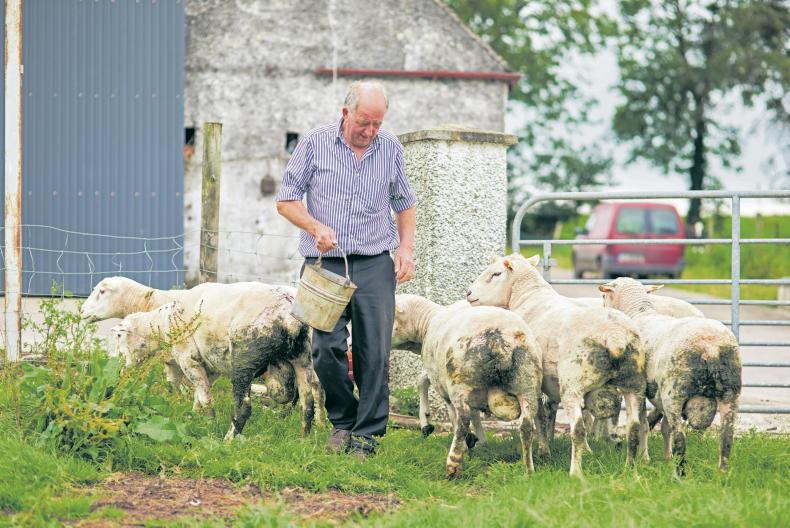
Older farmers in one of the most rural corners of the northeast could have better healthcare supports, if a pilot scheme is developed into a second phase.
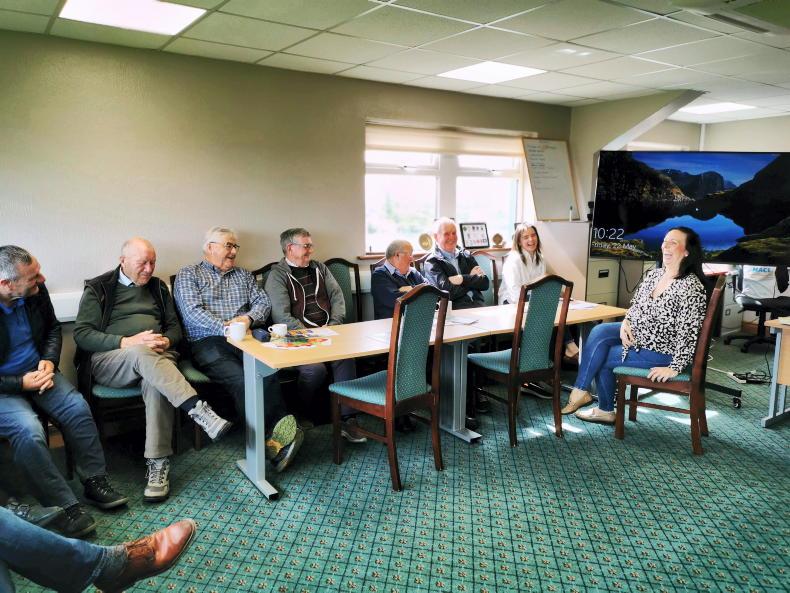
The Cooley Peninsula Older Farmers group has held weekly sessions since the end of April, as part of an initiative launched by the LARCH Centre in Louth County Hospital in Dundalk.
LARCH provides outpatient services for people aged over 65 and Aisling Crilly, a senior occupational therapist with the service, has been leading the new group – in a bid to provide better health and social supports to older farmers, in more remote parts of the peninsula.
With the support of Age Action Louth and a research team at Dundalk Institute of Technology, Aisling has delivered the weekly sessions at Cooley Kickhams GAA club. She is confident its success could lead to a monthly outpatient clinic being offered to older farmers.
“We’ve been talking about doing something to support farmers for years as we see the through-put in our clinic, which covers a lot of rural areas. Farmers aren’t the same as other patients. They farm their whole lives in many cases and are one of the highest risk groups for mortality as they age, given the risk of falls,” she explains.
“We have identified gaps in service across healthcare/community where older farmers would benefit from some form of social club that provides educational, cognitive and physical stimulation, with a farming focus.
Satellite clinic
“We have seen how successful the Farmers Yard programme was in Galway a few years ago, which brought information and support into the mart to meet farmers where they were comfortable.
“That is exactly what we are trying to do in this part of the country, but the issue we have here is that our closest mart to Cooley is Carnaross, near Ardee, which is over an hour away. We decided to approach Cooley Kickhams GAA as they have the space and the facilities to accommodate a club for older farmers.”
Aisling, with the support of Dr Olwyn Lynch, care of the older persons consultant at Louth County Hospital, has developed a programme to attract as many farmers in the Cooley Peninsula as possible.
“If the pilot is successful, we hope to roll out phase two which would be to set up a satellite outpatient clinic, which would be an extension of our existing LARCH clinic, within the Cooley Peninsula. Farmers can be referred in directly from the group and be seen within a very short time frame to address any health needs, reduce falls risks, identify cognitive impairments or frailty needs, and link in with other community services,” adds Aisling.
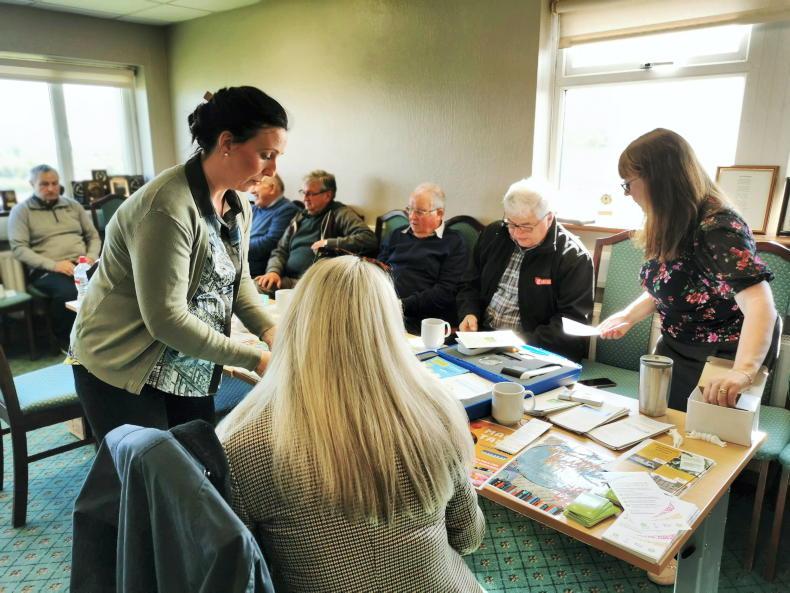
“Early intervention is prevention, particularly with older people. But farmers can be a difficult bunch to engage – they don’t appreciate people wasting their time, so we have put a lot of work into getting the right mix of guest speakers in, to share their knowledge over the past number of weeks and we are very happy with the feedback we’ve got from those taking part up to now.”
Aisling says that while the information regarding the need for support of older farmers is well established, there remains a huge gap in services to deliver this help.
“While there is a lot of research on farmers ageing and all the co-morbidities such as mortality rates, as well as Teagasc’s research around the need for increased social inclusion, there doesn’t seem to be many, if any, of the type of social club we have been running, in this part of the country,” she says.
Aisling continues, “Dr Lynch has secured €8,000 in funding through the HSE’s consultant innovation fund which will be used to finance the research component of the project. We have linked with DKIT’s Centre for Ageing to deliver a research report that will hopefully help us provide outcomes that would support our case for the second phase of the scheme, the satellite outpatient clinic.”
One of the guest speakers who will lead a farm walk on her land at Glenmore next Friday 12 June, is sheep farmer, veterinary nurse and assistant lecturer at DKIT’s Department of Agriculture, Food and Animal Health, Naoimh McCann.
Speaking to Irish Country Living, Naoimh says she is delighted to facilitate a farm walk on her farm, as she has come across a lot of elderly farmers who need support.
“Animal welfare concerns can be a signpost to farmer welfare issues and inevitably as farmers age, they face unique challenges. Your average older famer is an elderly male and the stereotype is well founded, in that many of them are very stubborn. They keep working, motoring on to their detriment which can also be to the detriment of their livestock,” she says.
Proactive approach
“The challenge lies in how to approach providing the help and support they need. You can try to point farmers in the right direction or have a casual chat with a family member, if you have concerns, but the danger is if they feel judged, you isolate them, so it’s a delicate situation.
“Most farmers wouldn’t be great at having hobbies, so if you can catch their interest with something and make it social, you’ve a great chance of reaching them on a range of issues.”
Naoimh is also hoping that in bringing older farmers together, some of them will take on board newer, more effective farming methods that can make a huge difference to both their workloads and their animals’ health.
“Sheep farmers are less likely to contact the vet in the first place, and with hill farming as it is in this region, it can be more complex. But we’re trying to move from a reactive to a proactive approach. By bringing older farmers out on a farm walk, you have the chance to check in with them to see if they’re struggling with any farming challenges
“To get them thinking about things, for instance many would still be dosing the same way they have been for the past 15 or 20 years. But by bringing them out on a farm walk you’re going through flock health, lung scans, etc. There are so many treatable conditions in sheep now that were considered ‘sheepitis’ in the past where sheep just liked to die.
“The added bonus is that by opening up these conversations, it then gives us the chance to find out if they have personal challenges they also need help with.”


SHARING OPTIONS