

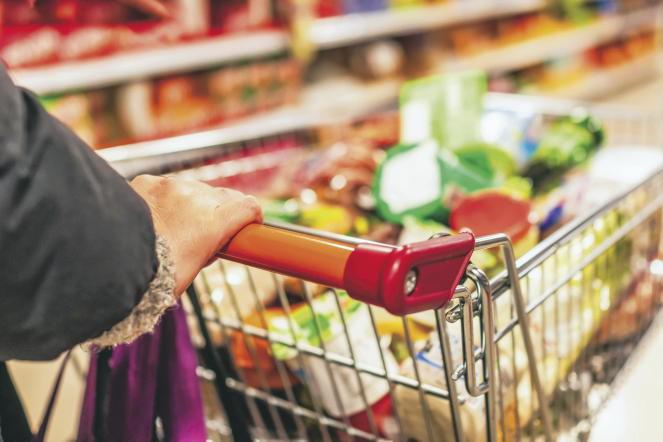
Families throughout rural Ireland are at breaking-point as the cost-of-living crisis shows no sign of easing up ahead of the winter months, with day-to-day costs such as energy and insurance continuing to rise. Consumers are also feeling the pinch at the supermarket till in recent months.
With Government insistent there will be no further measures in next month’s budget to help people cope with rising household costs, families will have to navigate the costly winter months without immediate State support.
Earlier this year, An Taoiseach Micheál Martin indicated there was no longer a need for cost of living supports, as he considered the crisis to have abated.
However, many consumers would argue otherwise. The rise in food prices has been getting a lot of attention recently but it is just one piece in the puzzle of a family’s disposable income.
Five of the main electricity and gas companies have announced price hikes, due to kick in next month and each of the health insurance providers have announced two price hikes each so far this year.
Figures released this week by Worldpanel by Numerators, the international company dealing in consumer knowledge and insights, show grocery price inflation has risen to 6.3% in the 12 weeks to 7 September, up from 5.4% in the previous 12 week period.
To give some perspective, a food price analysis by the IFA last week shows the rate of increases in food prices in Ireland (27%) is considerably less than the EU average (35%).
Looking back 20 years, 18.1% of a household’s budget was spent on food, according to data from the Central Statistics Office. That figure is now closer to 10% but the difference is consumers are paying a lot more for other utility bills.
The rise in prices paid at the till is impacted by a number of external factors including shipping, fuel, fertiliser and global prices, all of which have increased significantly in recent years.
Items such as toiletries have also increased in price, impacting the overall cost of a weekly shop. However, these items aren’t under as much scrutiny as food.
Inside the trolley
People are venting their frustrations on social media at the rising cost of the weekly shop with many reporting bills of up to €300 to feed a family of four.
Irish Country Living has taken a look at how the average trolley of groceries compares, across the four main supermarkets.
The trolley contained 21 items ranging from fresh food and dairy produce to household cleaning products and sweet treats. The most expensive trolley of goods was purchased in Tesco, with the same items costing nearly €19 less in Lidl. There was a €1.97 difference between SuperValu and Dunnes Stores, with the latter offering the second cheapest total price.
Sinead Crowe is an intuitive eating counsellor and mental health nurse who has amassed over 60,000 followers on her @intuitive.eating.ireland Instagram and TikTok accounts. The mother-of-four, living in Annaghdown, Co Galway, has posted her experiment of grocery shopping at different supermarkets each week to see if she could save money.
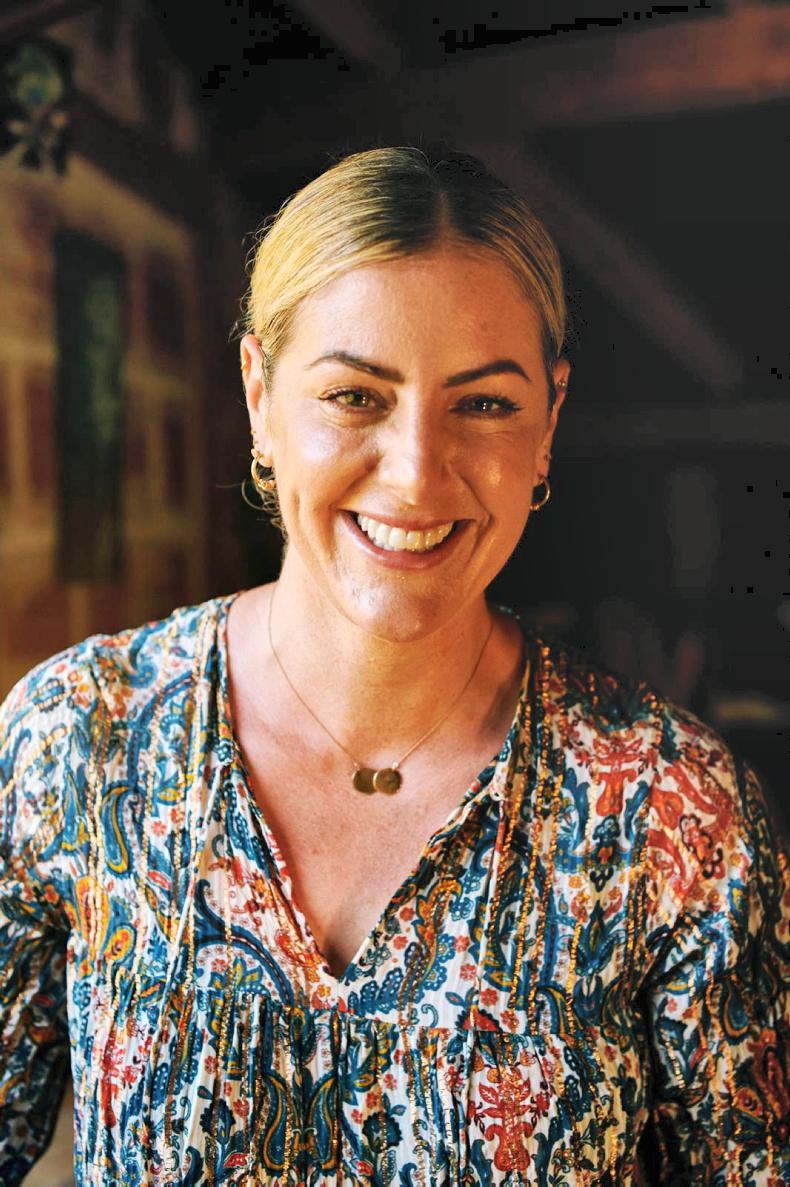
Sinead Crowe, Annaghdown Galway.
“I know how privileged I am to be able to do these shops without any major worry, but I’m not immune to the cost-of-living crisis. At one stage I was spending between €350 and €400 on a weekly shop for my family of six,” she says.
“We have two incomes coming in, my husband is a mixed farmer, but we are still living week to week and it is very stressful. People have reached out through my social media saying they are really struggling and can’t afford to do a basic weekly shop.
“We’d all love to be going to our local butchers and our local fruit and veg shops to find the best deals but most of us just don’t have the time.”
The comments posted to Sinead’s social media reels indicate that many homes are forgoing branded items in a bid to cut costs, while others said they were skipping meals.
“I swapped out some branded products for supermarket own varieties but I’m not sure I saved that much money if I’m honest,” adds Sinead.
“I suppose what the experiment has taught me is that I need to be more conscious of how I’m spending my money. But I am in a position to do this which isn’t the case for a growing number of people. I’ve had messages from people saying they’re not eating themselves so that they have enough food for their children, or they’re making do with what the kids leave after them.
“These are desperate times where the cost-of-living crisis is causing food poverty that is a lot more widespread than people think.”
As the colder weather takes hold, people will also experience the challenge of heating their homes. Reports in Northern Ireland show that a tank of kerosene is considerably cheaper north of the border, with 1,000 litres costing on average £511(€592) compared to an average cost of €904 in the Republic
Electricity and gas prices are also set to increase, as a series of price hikes take effect next month. The Commission for Regulation of Utilities (CRU) confirmed in August that higher standing charges were needed to fund upgrades to Ireland’s electricity network. On top of this increase, SSEA Electricity, Energia, Flogas, Bord Gáis and Pinergy have all announced price hikes of between 7% and 13.5% adding up to €200 a year to some customer’s bills. Electric Ireland is the only company not to increase it’s electricity rate, but will raise gas prices by 4% from 1 November.
In previous years, the Government sanctioned energy credits, paid in two instalments to offset the high cost of electricity. A double child benefit payment was also part of the cost-of-living package that senior ministers insist will not be replicated this winter.
Other household bills are also on the rise, with broadband and TV packages seeing price increases across the board. Sky Ireland’s broadband has increased by 4.5% with Eir increasing its monthly fee for 5G by €5.
Health insurance is up by over 12% in the past year, with the three main insurers announcing further price hikes taking effect next month. Laya will increase prices by 4.5%, while both VHI and Irish Life customers will see their policies increase by 3%. The average cost of adult insurance is now just under €2,000, but despite rising costs, 47% of the population continue to maintain health insurance policies.
Louise Bayliss, head of social justice and policy with the Society of St Vincent de Paul, says calls to the charity have increased five-fold in the last 17 years.
Louise Bayliss, head of Social Justice and Policy, SVP.
“There was a time when people reached out to us for help with back-to-school costs, Christmas, or Holy Communions but now the demand is year-round and its coming from a lot more people than those on social welfare payments,” she explains.
“We offer food and energy vouchers to those in need and we’re seeing a growing number of working parents who are desperate and feel they have nowhere else to turn. The vouchers free up cash to pay other bills, one of which we are seeing more and more are medical assessments for children with special needs, which aren’t being provided in timely manner by the State. Parents are paying privately for these assessments and it’s leaving them short for other household bills.”
Louise says the end of the Government’s cost of living supports is leading to a ‘scary scenario’ for a lot of people.
“The energy credits were a blunt instrument that could have been delivered far more effectively, but it’s going to be a scary scenario if nothing is offered in lieu of these payments to families,” she says.
“Energy bills are creeping back up again and the most vulnerable will suffer. The CRU [Commission of Regulation of Utilities] says it doesn’t get information from suppliers of those customers who are in arrears but the latest CSO research shows that families with children are most likely to be in arrears, with 22% of lone parents being in arrears more than twice a year.
“If the Government will not offer energy credits, then they need to honour a pledge in the Programme for Government which commits to extending the fuel allowance to those families in receipt of the Working Family Payment, which is a more targeted way of supporting those in most need.”
Families throughout rural Ireland are at breaking-point as the cost-of-living crisis shows no sign of easing up ahead of the winter months, with day-to-day costs such as energy and insurance continuing to rise. Consumers are also feeling the pinch at the supermarket till in recent months.
With Government insistent there will be no further measures in next month’s budget to help people cope with rising household costs, families will have to navigate the costly winter months without immediate State support.
Earlier this year, An Taoiseach Micheál Martin indicated there was no longer a need for cost of living supports, as he considered the crisis to have abated.
However, many consumers would argue otherwise. The rise in food prices has been getting a lot of attention recently but it is just one piece in the puzzle of a family’s disposable income.
Five of the main electricity and gas companies have announced price hikes, due to kick in next month and each of the health insurance providers have announced two price hikes each so far this year.
Figures released this week by Worldpanel by Numerators, the international company dealing in consumer knowledge and insights, show grocery price inflation has risen to 6.3% in the 12 weeks to 7 September, up from 5.4% in the previous 12 week period.
To give some perspective, a food price analysis by the IFA last week shows the rate of increases in food prices in Ireland (27%) is considerably less than the EU average (35%).
Looking back 20 years, 18.1% of a household’s budget was spent on food, according to data from the Central Statistics Office. That figure is now closer to 10% but the difference is consumers are paying a lot more for other utility bills.
The rise in prices paid at the till is impacted by a number of external factors including shipping, fuel, fertiliser and global prices, all of which have increased significantly in recent years.
Items such as toiletries have also increased in price, impacting the overall cost of a weekly shop. However, these items aren’t under as much scrutiny as food.
Inside the trolley
People are venting their frustrations on social media at the rising cost of the weekly shop with many reporting bills of up to €300 to feed a family of four.
Irish Country Living has taken a look at how the average trolley of groceries compares, across the four main supermarkets.
The trolley contained 21 items ranging from fresh food and dairy produce to household cleaning products and sweet treats. The most expensive trolley of goods was purchased in Tesco, with the same items costing nearly €19 less in Lidl. There was a €1.97 difference between SuperValu and Dunnes Stores, with the latter offering the second cheapest total price.
Sinead Crowe is an intuitive eating counsellor and mental health nurse who has amassed over 60,000 followers on her @intuitive.eating.ireland Instagram and TikTok accounts. The mother-of-four, living in Annaghdown, Co Galway, has posted her experiment of grocery shopping at different supermarkets each week to see if she could save money.

Sinead Crowe, Annaghdown Galway.
“I know how privileged I am to be able to do these shops without any major worry, but I’m not immune to the cost-of-living crisis. At one stage I was spending between €350 and €400 on a weekly shop for my family of six,” she says.
“We have two incomes coming in, my husband is a mixed farmer, but we are still living week to week and it is very stressful. People have reached out through my social media saying they are really struggling and can’t afford to do a basic weekly shop.
“We’d all love to be going to our local butchers and our local fruit and veg shops to find the best deals but most of us just don’t have the time.”
The comments posted to Sinead’s social media reels indicate that many homes are forgoing branded items in a bid to cut costs, while others said they were skipping meals.
“I swapped out some branded products for supermarket own varieties but I’m not sure I saved that much money if I’m honest,” adds Sinead.
“I suppose what the experiment has taught me is that I need to be more conscious of how I’m spending my money. But I am in a position to do this which isn’t the case for a growing number of people. I’ve had messages from people saying they’re not eating themselves so that they have enough food for their children, or they’re making do with what the kids leave after them.
“These are desperate times where the cost-of-living crisis is causing food poverty that is a lot more widespread than people think.”
As the colder weather takes hold, people will also experience the challenge of heating their homes. Reports in Northern Ireland show that a tank of kerosene is considerably cheaper north of the border, with 1,000 litres costing on average £511(€592) compared to an average cost of €904 in the Republic
Electricity and gas prices are also set to increase, as a series of price hikes take effect next month. The Commission for Regulation of Utilities (CRU) confirmed in August that higher standing charges were needed to fund upgrades to Ireland’s electricity network. On top of this increase, SSEA Electricity, Energia, Flogas, Bord Gáis and Pinergy have all announced price hikes of between 7% and 13.5% adding up to €200 a year to some customer’s bills. Electric Ireland is the only company not to increase it’s electricity rate, but will raise gas prices by 4% from 1 November.
In previous years, the Government sanctioned energy credits, paid in two instalments to offset the high cost of electricity. A double child benefit payment was also part of the cost-of-living package that senior ministers insist will not be replicated this winter.
Other household bills are also on the rise, with broadband and TV packages seeing price increases across the board. Sky Ireland’s broadband has increased by 4.5% with Eir increasing its monthly fee for 5G by €5.
Health insurance is up by over 12% in the past year, with the three main insurers announcing further price hikes taking effect next month. Laya will increase prices by 4.5%, while both VHI and Irish Life customers will see their policies increase by 3%. The average cost of adult insurance is now just under €2,000, but despite rising costs, 47% of the population continue to maintain health insurance policies.
Louise Bayliss, head of social justice and policy with the Society of St Vincent de Paul, says calls to the charity have increased five-fold in the last 17 years.

Louise Bayliss, head of Social Justice and Policy, SVP.
“There was a time when people reached out to us for help with back-to-school costs, Christmas, or Holy Communions but now the demand is year-round and its coming from a lot more people than those on social welfare payments,” she explains.
“We offer food and energy vouchers to those in need and we’re seeing a growing number of working parents who are desperate and feel they have nowhere else to turn. The vouchers free up cash to pay other bills, one of which we are seeing more and more are medical assessments for children with special needs, which aren’t being provided in timely manner by the State. Parents are paying privately for these assessments and it’s leaving them short for other household bills.”
Louise says the end of the Government’s cost of living supports is leading to a ‘scary scenario’ for a lot of people.
“The energy credits were a blunt instrument that could have been delivered far more effectively, but it’s going to be a scary scenario if nothing is offered in lieu of these payments to families,” she says.
“Energy bills are creeping back up again and the most vulnerable will suffer. The CRU [Commission of Regulation of Utilities] says it doesn’t get information from suppliers of those customers who are in arrears but the latest CSO research shows that families with children are most likely to be in arrears, with 22% of lone parents being in arrears more than twice a year.
“If the Government will not offer energy credits, then they need to honour a pledge in the Programme for Government which commits to extending the fuel allowance to those families in receipt of the Working Family Payment, which is a more targeted way of supporting those in most need.”
SHARING OPTIONS