



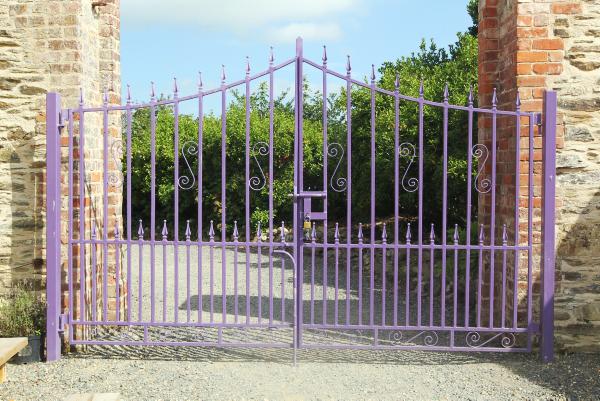
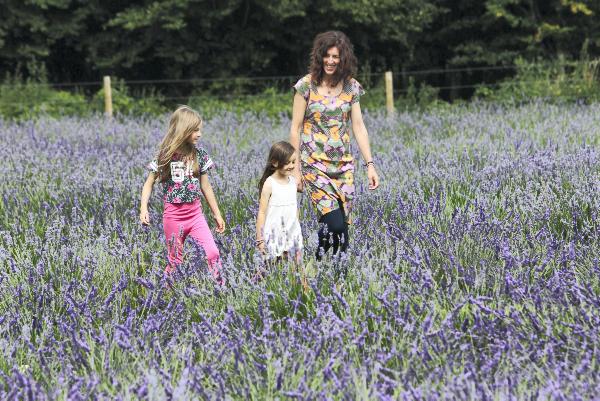
Predictable, isn’t it?” laughs Moira Hart, smoothing her purple polka-dot pinny as she sets down a platter of heart-shaped lavender shortbread. “But it’s my favourite colour.”
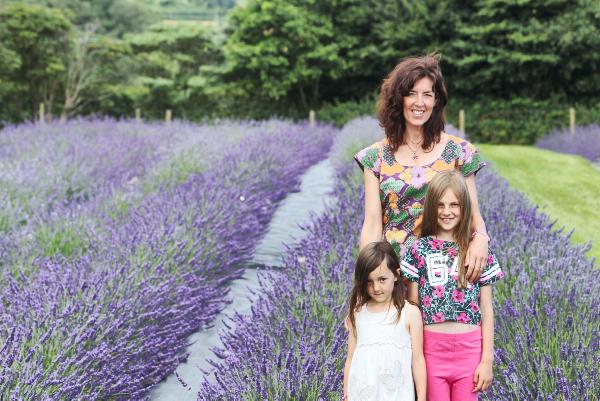
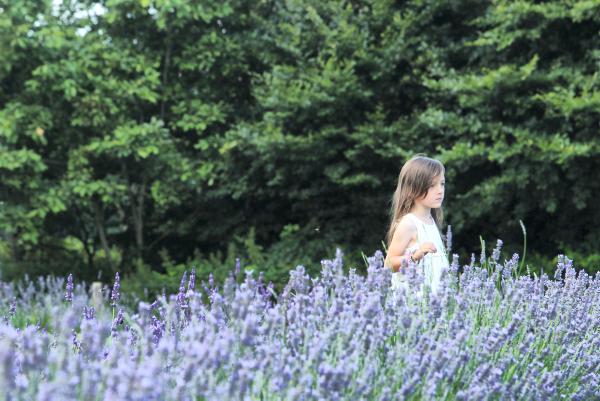
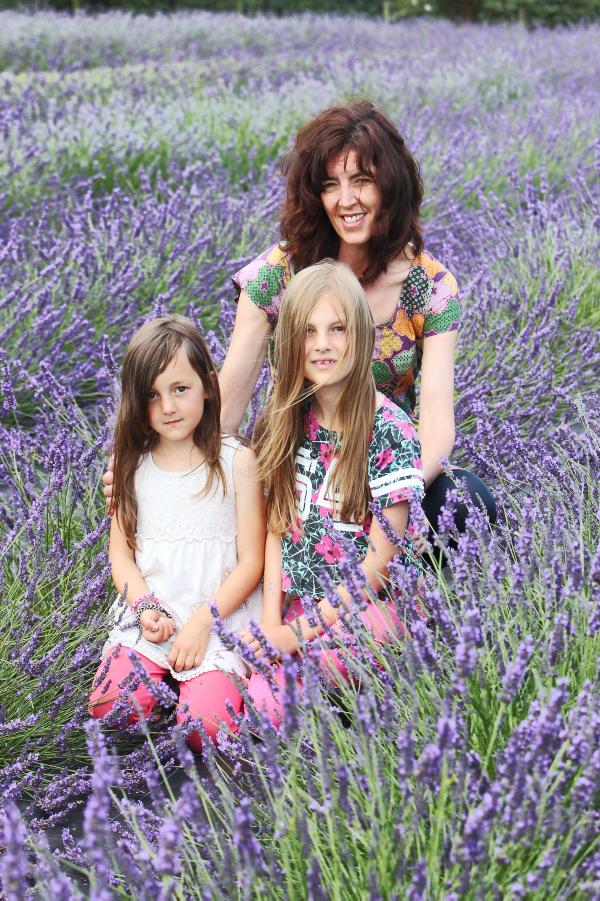
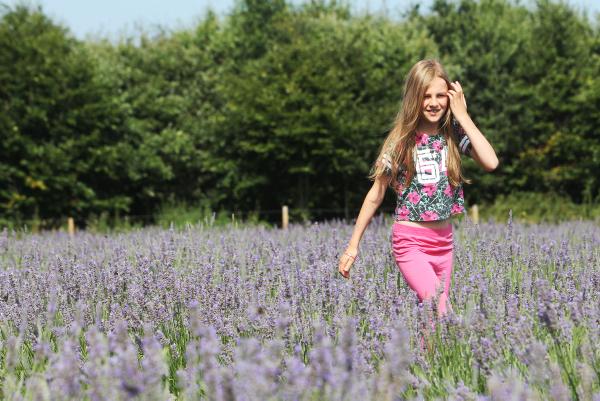
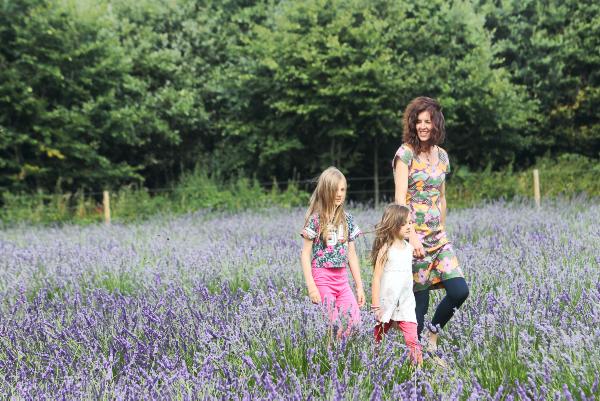
Forget fields of gold: if you pay a visit to Inch, Co Wexford, this summer, you’ll be greeted by the sight – and scent – of two acres of lavender you’d expect to find in Provence rather than the sunny south-east. But Moira, an entrepreneurial mother-of-two, is hoping to hit a purple patch with her open lavender farm.
While Moira was raised in the UK, the former dairy farm has been in her family since 1949 when her grandfather, who was ex-British army but of Irish parentage, bought the property, having previously run a coffee farm in Kenya.
“He obviously hankered to live in Ireland,” smiles Moira. “And even though I lived in Australia and in South Africa, I was always drawn back here. I just had to find the right man to come with me.”
Step forward Moira’s husband Cary, who was running his own painting and decorating company when the couple met. They married and had their first daughter, Clara (now nine), but when she was 18 months, decided to up sticks across the Irish Sea.
“People said: ‘You’re mad.’ Because I quit my job and my husband had an established clientele,” she recalls. “But it’s not like we were going to the Amazon, is it?”
Moira’s aunt, Jane Crozier, had run the farm for many years, but by then, 95 acres were leased to a local farmer and sown to barley. Moira initially worked as a PA at the exclusive Druid’s Glen resort, but after the arrival of her second daughter Martha (now six), she stepped back to stay at home with the girls and also to care for her aunt.
However, having visited lavender farms on holidays and as a keen gardener herself, Moira believed there was an opportunity to do something similar.
“I suppose I am a risk taker,” she acknowledges. “I went around the world on my own. If I want something, I just go after it. But in saying that, it took four years from being in my head to actually opening.”
Central to making Moira’s dream a reality was the support of Wexford Local Development, who funded the feasibility study and also costs like upgrading the driveway and car park, website, signage and fencing, to the tune of €35,000. Moira, however, estimates she spent “three times that” herself in getting the project off the ground.
“But I had bought a flat in London in 1998 at the tail end of the recession in a place called Gypsy Hill, which, at that time, was quite run down,” she explains. “And when I sold it in 2006, I doubled my money. I wasn’t playing the market, because I wouldn’t have had a notion. So that’s what has paid for this.”
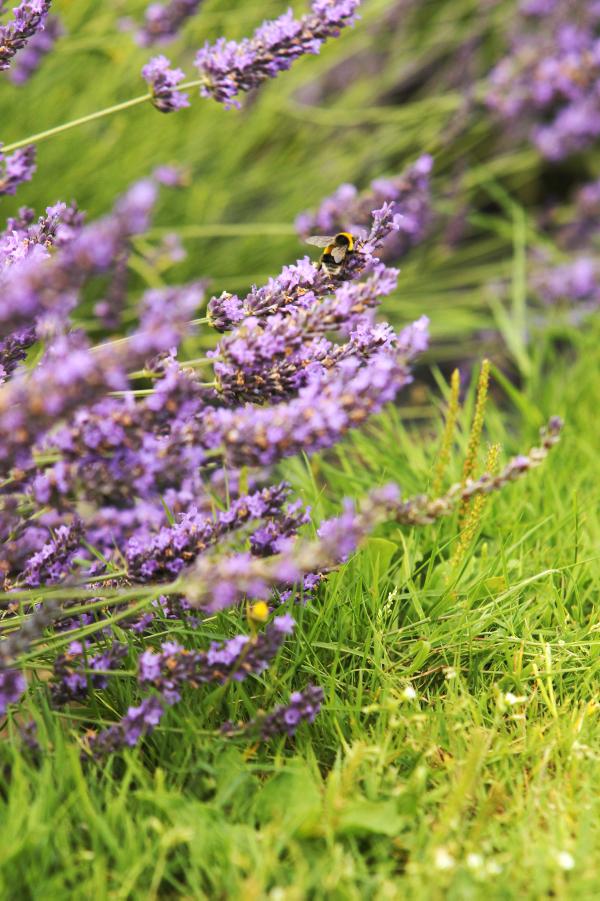
A major expense was preparing and planting the two acre site with 6,500 grosso lavender plants, a Dutch variety chosen by Moira for its high oil yield.
“That was back-breaking work,” says Moira, especially as winter storms ripped up the mypex ground cover that had been fastidiously put in place by hand with 5,000 pegs.
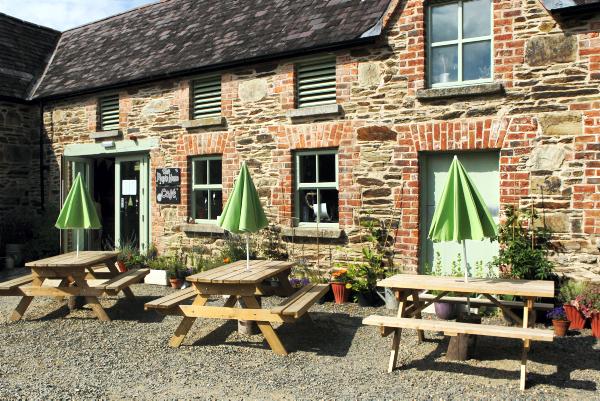
Another expensive project was converting the old stable block and chicken house for the on-site Purple Haze cafe and shop.
“We took out about two tonnes of 20-year-old chicken manure, about 50 bags of old barley,” says Moira of the clean-up process, which was followed by the building renovation and kitchen fit-out, where she managed to source second-hand catering equipment for approximately €11,000, having been previously quoted €25,000 for new goods.
Other facilities added included a children’s playground, a “quad barrel” ride and a small visitor information centre with distillery equipment. So in April, Wexford Lavender Farm was officially opened by Joe Duffy, who even wrote a poem for the occasion.
“I just sent an email to Liveline,” smiles Moira. “He doesn’t know me from a bar of soap, but he knows the area and he came down from Dublin especially.”
Entry to Wexford Lavender Farm is free, but Moira’s business comes primarily from the cafe (with seasonal specials including lavender scones and triple layer lavender and blueberry cake) followed by the gift shop and then plant sales: mostly potted varieties of English munstead and hidcote lavender, French fathead lavender and the farm’s grosso plants. There are also regular events, including a mother and toddler group on Wednesdays, craft workshops and facilities for kids’ parties, with six part-time jobs created there to date.
“At the moment, I’m paying my suppliers and I’m paying my staff,” says Moira of how business is faring so far. “I don’t owe money to anybody and if it can sustain itself, happy days.”
Just as lavender is seasonal, so is business, and while Moira’s original plan was to open from Easter to September, she will open for Halloween and, if demand dictates, weekends as well. Long term, she wants to develop workshop space to let to crafts people. By 2016, she also hopes to produce her own organic essential oil.
But for now, this lady in lavender is enjoying the sweet scent of success.
Growing lavender
soil. If your soil is heavy or clay-like, add compost and grit to improve drainage – we recommend approximately 70:30 soil:grit.




SHARING OPTIONS