



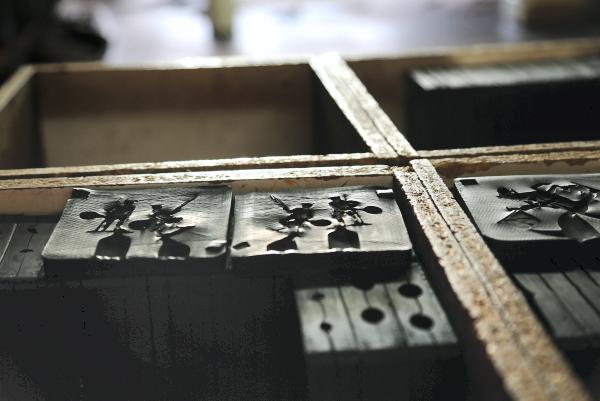
Producing toys is guaranteed to be a competitive business, but the Prince August toy soldier factory is winning that battle thanks to traditional charm, smart business decisions and some Christmas cheer.
Established by Swedish man Lars Edman in 1975, Prince August is the largest of only three toy soldier factories in the world, and the only one in Europe.
Lars’ father had a hobby shop in Sweden and, as a sideline, he manufactured model railway accessories before he started to make toy soldiers in 1958.
By the ’70s, after working for his father for seven years, Lars explains that the business had outgrown their facility in Sweden and it was time to seek new opportunities.
“The ’70s in Sweden were like the Celtic Tiger years in Ireland, everything was expensive and it was hard to find staff,” he explains.
“I had heard there was a positive business environment in Ireland, and, after working with my father, I wanted to try my own wings.”
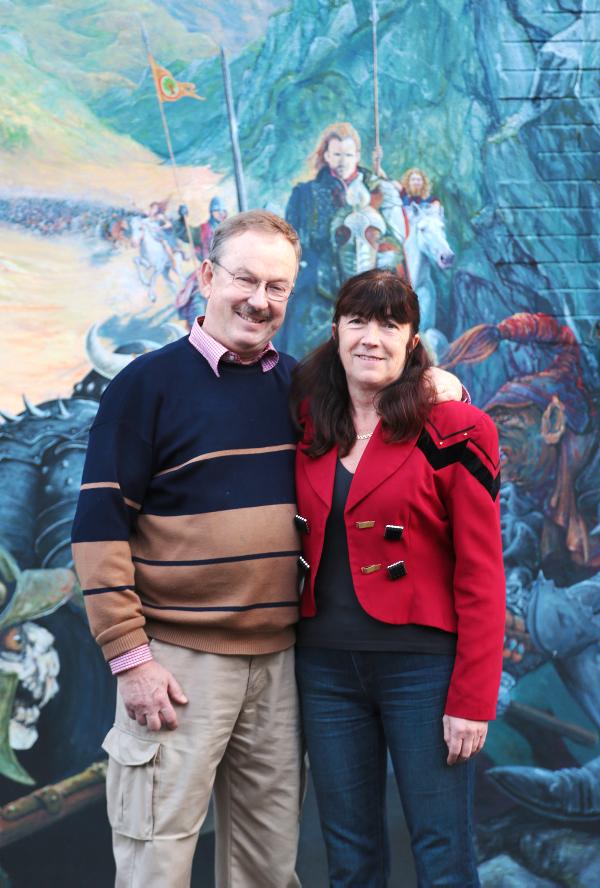
When there were no takers at the auction of a former slipper factory based in Kilnamartrya, a small Gaeltacht village outside of Macroom in Co Cork, Lars put in his bid. And on the October bank holiday weekend in 1975, just a week after their wedding, Lars and his first wife, Gunilla, packed up a truck with all their equipment and made their way to Kilnamartyra.
The old-fashioned telephone system caused many headaches for Lars in his first few years in Ireland, though the village offered him a better social life than his Swedish home.
“This tiny village has two pubs, but where I am from in the country in Sweden, it is 50 miles to the nearest pub,” he says.
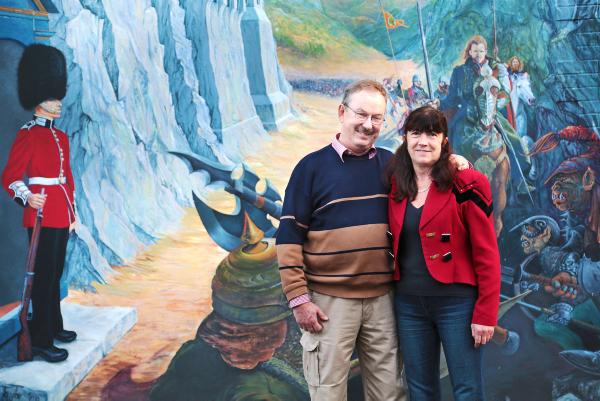
Gunilla didn’t settle in Ireland and returned to Sweden, but Lars subsequently got remarried to a local woman, Margaret, and the couple now have three children.
Something for everyone
When Lars started producing toy soldiers, the target market was young boys aged seven to 13. A few decades later, more adults took up the hobby and, up until the last few years, 80% to 90% of the customers at Prince August were men.
With more and more families travelling around Ireland in place of foreign holidays, a trip to the toy soldier factory visitor centre is proving to be a popular destination.
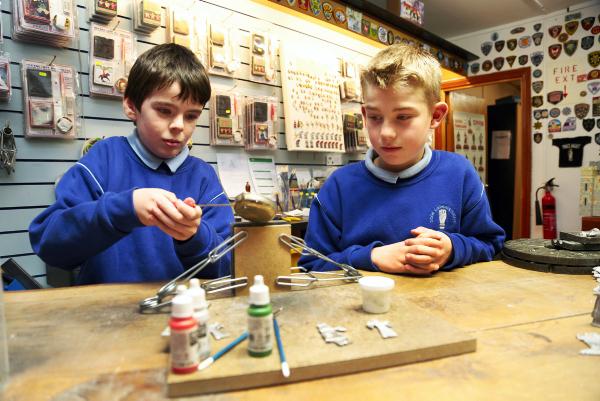
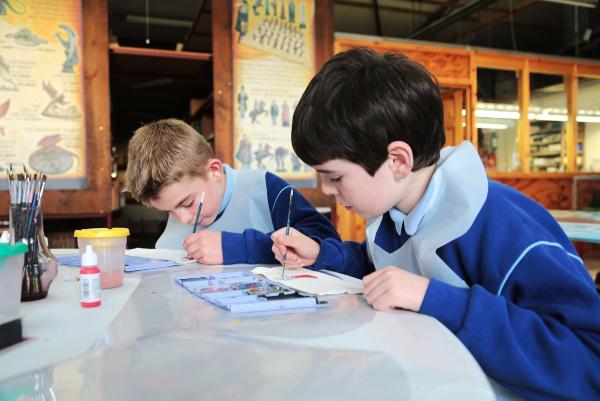
With demonstrations and workshops, as well as a huge product range, visitors tend to be pleasantly surprised, especially the many groups who decide to call in on the spur of the moment after seeing the large signs Lars has placed on the N22 between Killarney and Macroom.
While the Irish Wild Geese range of soldiers prove popular with the boys, adults tend to opt for one of the handmade chess sets.
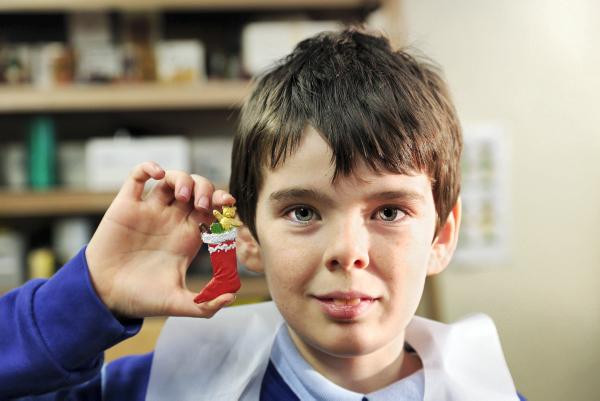
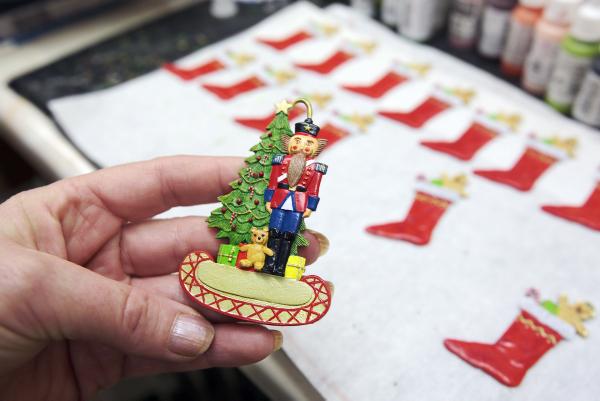
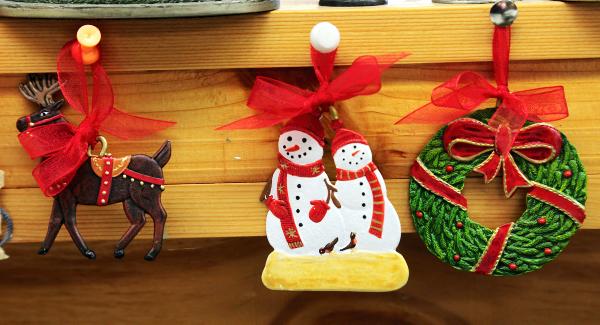
Lars has also introduced a range of miniature teddies and fairies to meet the demand for girls’ toys. He also launched a range of Christmas decorations five years ago, which, after a few tweaks, are now one of their bestsellers.
But Prince August is just one of the many guises of Lars’ facility in Killnamartyra.
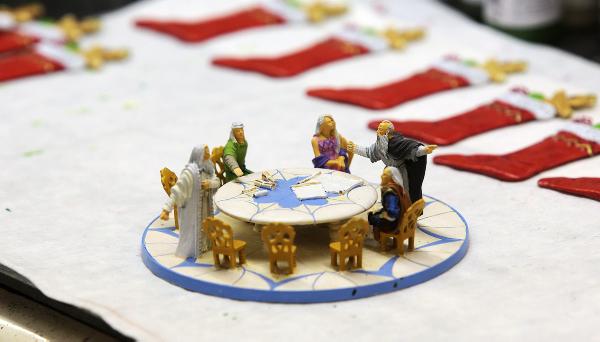
Never afraid to try something new, Lars started to produce fantasy figures in 1982. By 1988, Lars had purchased the licence to produce the characters from The Lord of the Rings and The Hobbit books, starting a different brand known as Mithril.
“We are the oldest and biggest producer of Tolkien figures, we make over 600 characters from the books, and some of those are barely described by name, so we must invent them,” he explains.
With The Hobbit: The Desolation of Smaug, the second in the series, out this month, have the film adaptations of Tolkien’s work been beneficial for Mithril?
“The Hobbit films have created more interest in our products, but we cannot make miniatures that look like the characters in the films, though they are able to base their characters on our miniatures, so some of ours are in the films,” he says.
Lars clearly doesn’t like to rest on his laurels, as he also has two technology businesses; Apple4less and PC-Pro.
Having this link to the technology industry has positively impacted the toy soldier factory and its seven staff, from having a website all the way back in 1996, to their next venture – 3D printing.
“You design the soldier on the computer and then it is printed in 3D, so it has hundreds of layers and is built up from the very bottom in these layers.
“It allows us to have more detail than ever before, and it also brings down the cost of production, so we could make more niche products, like soldiers for the centenary of the Easter Rising.”
Though there is certainly a lot on Lars’ plate, with a rural business that is managing to grow 10% every year and with a focus on the future, it is clear that the luck of the Irish has rubbed off on him. CL


SHARING OPTIONS