




Thomas Kent from Fermoy, Co Cork has been Ireland’s forgotten patriot for over 99 years. It took a State funeral last September (2015) to bring his name into the public domain.
Though the 13th of the 16 men executed in the aftermath of the Easter Rising, he was the only man executed in Cork. He was also the only farmer and the only man with a direct connection to the Land War.
The extraordinary life and death of this intellectual man with great humanity, love of Ireland, who with his brothers did so much for the plight of rural communities, deserves to be remembered.
an early loss
Thomas Kent was the fourth eldest of nine children born to David Kent and Mary Rice. They were tenant farmers, steeped in the IRB/Fenian tradition. He was only 10 when his father died at the young age of 44.
Life in rural Cork was difficult in the late 1870s for his widowed mother with a young family. In his early teens, Thomas joined the Land League.
At the age of 17 he emigrated to Boston and was lucky to get employment in a book publishing and furniture business. His life in Boston is interesting because of his interaction with Irish-American cultural groups, and the formation of an “Irish School”, plus his writing on Irish history in the Boston Irish Echo.
a speedy departure
In 1889, he left his girlfriend and his newly-founded publishing company and abruptly returned home to Ireland. The speed of his return was due to the impending trial of his four brothers for orchestrating a boycotting campaign.
Soon he was as immersed as his brothers in the Land War and tenant rights’ issues. The Kent brothers, working as a team, unremittingly sought justice for rural communities and tenants who lived in appalling conditions.
Thomas and his brothers were arrested on several occasions. The intriguing accounts of their court battles make for fascinating reading as they defended themselves, fighting desperately against landlordism and the owners of vast estates.
Their campaign was difficult, but Thomas and his brothers were relentless. Supporting the plight of others due to unjust evictions, they spent many lonely nights in jail. They became known throughout Ireland. Undoubtedly their contribution helped many tenants become the landowners and farming families of today.
leader of men
Cultural organisations such as the Gaelic League and the Irish Revival as well as farming wove into Thomas’s activities. He became friendly with Tom Clarke, joined the IRB and formed a friendship with Padraig Pearse, Thomas MacDonnagh and other 1916 leaders.
His involvement with the Irish Volunteers upon its foundation (1913) came from a deep understanding and love of Ireland. As Galtee Brigade Commandant he worked tirelessly with his brother David and Terence MacSwiney in building a strong Volunteer organisation in north and east Cork.
We have to remind ourselves that their transport was by bicycle, on horseback but mostly walking for miles in all weather conditions.
In January 1916, the arrest and charge of Thomas Kent and Terence MacSwiney for making “seditious speeches” and “possessing weapons and ammunition” created quite a stir in the county. Both men spent a while in jail.
the rising
Determined to be involved in a major Rising in the south, Thomas and his three brothers left their Bawnard home in Easter 1916 for safe-hiding. They waited for direct orders from Dublin that never came.
The RIC arrived at their door at 2am on 2 May. Following Eoin MacNeill’s original orders “to prevent themselves from being forcibly disarmed”, the Kents would not surrender.
In the shoot-out that followed and which lasted over four hours, including military bombardment, their home was riddled with bullets.
After David Kent received a gaping wound in his side and had his two fingers shot off, and their ammunition ran out, the brothers and their mother were forced to surrender.
During their arrest, Richard Kent, a famous athlete, made a run to clear the hedge, but was shot and fatally wounded.
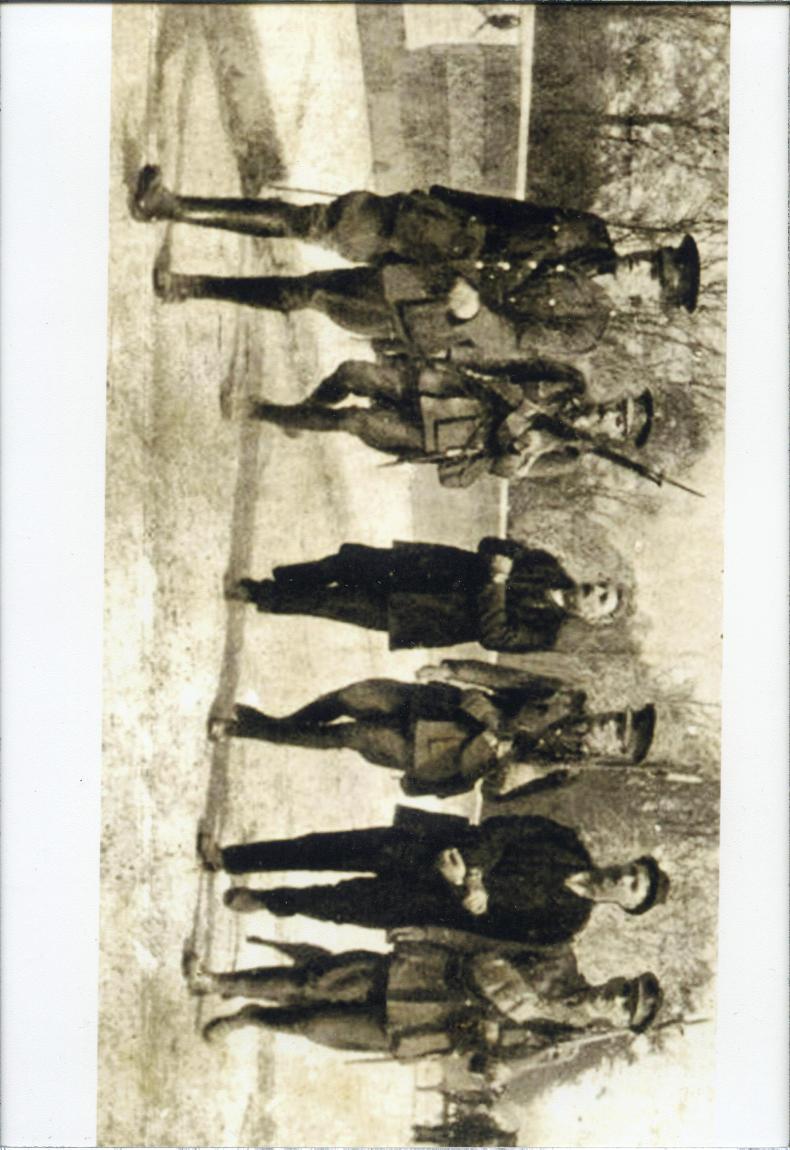
Walking behind a horse-drawn cart, the handcuffed William and Thomas were walked barefoot over the five-mile rough road to Fermoy military barracks.
Thomas was charged with treason. Blindfolded and barefoot, he was executed by firing squad on 9 May 1916 in Cork Military Detention prison yard and buried in a shallow grave close by. CL
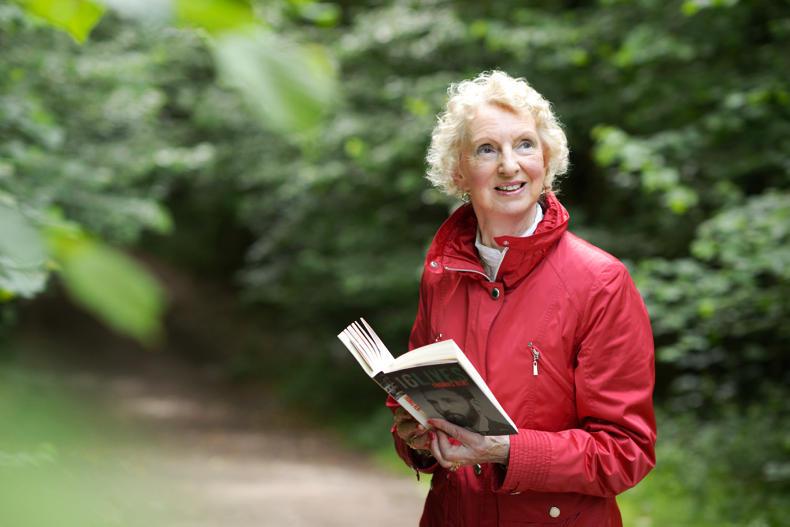
>> About the author
Meda Ryan, historian and author, is a native of West Cork and now lives in Co Clare. Her latest book 16 Lives Thomas Kent is published by O’Brien Press. She has participated in television and radio documentaries and had articles published in a wide variety of history magazine and journals plus national and local newspapers. Her published books include the controversial book – Tom Barry: IRA Freedom Fighter (Mercier Press) The Day Michael Collins Was Shot (Poolbeg Press); Liam Lynch: The Real Chief (Mercier Press).


SHARING OPTIONS