



Most of us will know last weekend as the Whit weekend. In times gone by, the actual festival of ‘Whitsuntide’ – Whit Sunday or Whitsun, also known as ‘Pentecost’ (meaning ‘fiftieth’), was celebrated 50 days after the moveable feast of Easter.
As Easter changes each year, this year Whit Sunday fell on the 24 May and in case you missed it, you should not be too worried because in Irish folklore, this day was a ‘cross day’, ranked as perhaps the unluckiest of all days in the yearly calendar.
Whit Sunday was known in Irish as ‘Cíncíse’ and the time period, as with all Irish festivals, lasted over three days, including not only Monday and Tuesday, but many observed the whole week. The day itself was marked by serious anxiety and trepidation as it was considered a time of inevitable danger and impending misfortune. Men were afraid to shave, or use a knife lest they cut themselves, as any cut made on the day would never heal.
Similarly, the shearing of sheep using the old sprung hand shears was thought to be a particularly bad idea.
If you believed you could put your head down and avoid it, no such luck – it was also believed to be very bad luck to sleep in or stay in bed on Whit Sunday. Anyone who went for a snooze or who went back to sleep after waking up were seen to be tempting fate and might be dead within the following 12 months.
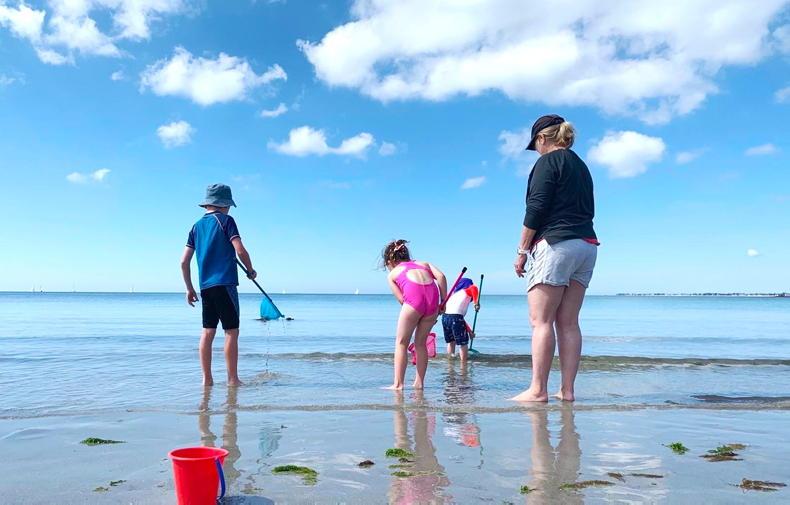
The day marked a fear of drowning and no one dared go fishing, take out a boat and even more so, go for a swim. If they had to go near water, people would ensure that the water would not go above their ankles.
It was thought that those who had drowned would come and drag you under on this day.
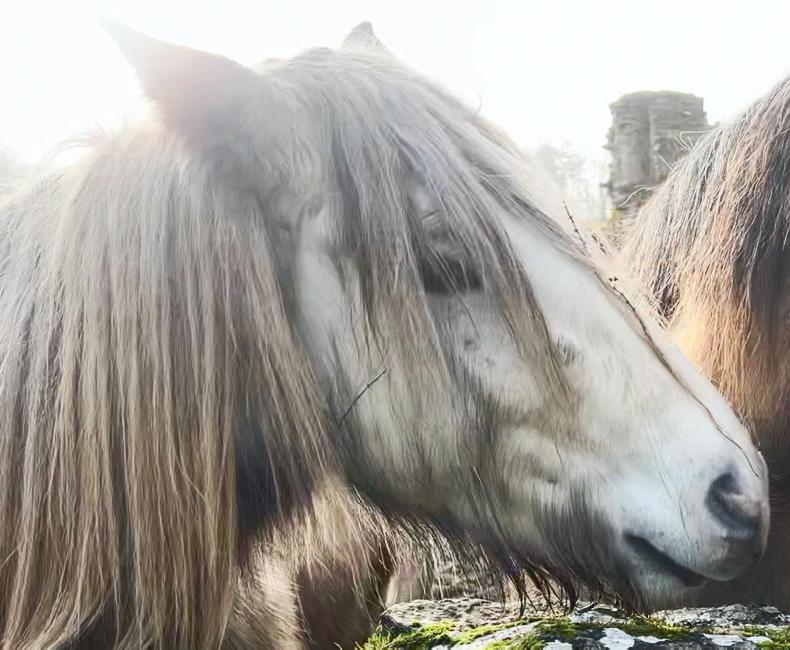
There are stories of such things as otherworldly horses coming out of the lakes on Whitsun. One midnight, a foolhardy man managed to put a bridle on such a beast and proceeded to ride this fine strong white horse around for the year. He won all the hunts and races and was the envy of the town. However, a year went by and when it came to the next Whitsun, the horse shied, unseating the rider whose foot was caught in the stirrup and who was dragged along and dismembered as they horse galloped back to the lake.
The most intense beliefs concerned any animal or person who was born on Whit Sunday. They were called cíngcís or ‘kinkish’ and were greatly feared. Such unfortunates were thought to be the harbingers of grave malevolent fortune in their lifetime.
Animals such as horses, bulls, puck goats or dogs born on this day were innately feral and dangerous and would in their lifetime inevitably cause death. It might follow that a rider would be thrown and killed, a farmer viciously gored or an owner savagely attacked by their own dog.
Such was the belief that these so called ‘kinkish’ animals were regularly culled at birth to avoid the inevitable catastrophe they would bring. Those who kept them would anxiously sell them at the fair or mart and not worry about the price, happy to be rid of them.
When any animal was the cause of death and tragedy, the belief was that it must have been a Whitsun kinkish.
It was thought a child born at Whitsun would invariably kill themselves or murder someone or would be hanged or die in some extremely violent circumstances. A number of remedies were called for to rid the unfortunates of such a terrible attribution.
One solution was to catch a fly and place it in the baby’s hand, closing its fingers on it and killing it – it was taken that the child had caused death.
A more extraordinary remedy was to put the child through a sort of mock death and burial.
One account from Co Kildare recorded in 1821 recounts, ‘to avert this doom, a little grave was made, and the infant laid therein, with clay lightly sprinkled on it, sod supported by twigs covering the whole. Thus was the child buried, and at its resurrection deemed to be freed from the malediction.’
With all such traditions in mind, I am inclined to embrace the more positive side of the Whit weekend and the days that follow as a harbinger of blue skies, sunshine and warmth and all things good.


SHARING OPTIONS