



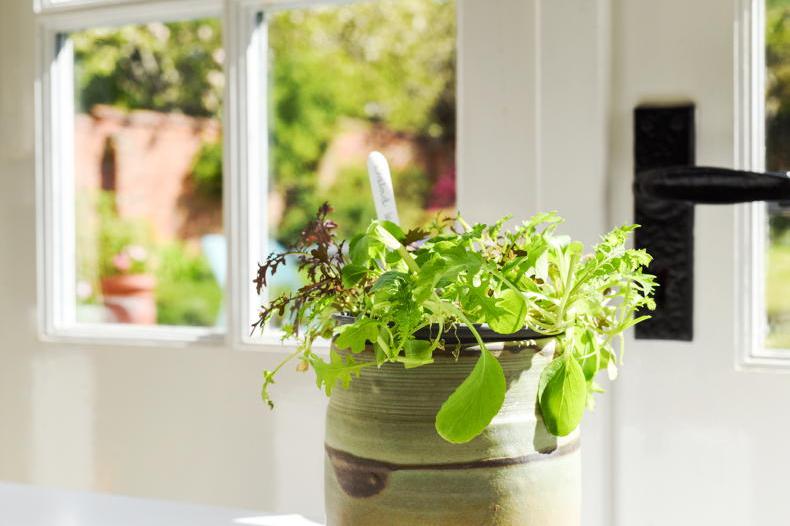
The intense heat this summer may have caused many salad crops to bolt, giving the impression that the salad season is over. But August is actually one of the most productive months for sowing salad crops. The soil is warm, germination is quick, and a wide range of varieties can be sown now to provide fresh harvests through autumn and, with a little protection, well into winter.
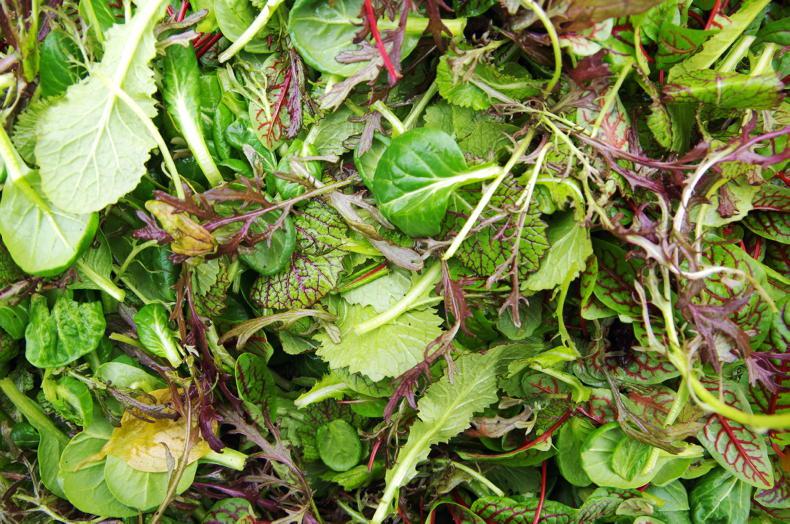
While neat rows of succulent lettuce often occupy garden beds through spring and summer, August is the perfect moment to widen the salad palette by sowing winter hardy oriental greens. Often called Asian greens, leafy crops such as mizuna, mibuna and mustard leaves relish the cooler temperatures and shortening days of late summer. Instead of bolting like sowings made in the height of summer or collapsing at the first hint of cold, oriental greens will grow steadily and provide weeks, if not months of fresh, spicy, cut and come again leaves when sown now. Their varied shapes, colours and peppery flavours bring a welcome lift to late season dishes, and they are among the easiest and quickest crops to grow, offering excellent value from a single packet of seed compared with shop bought salad mixes.
If grown in early to midsummer, the long hot days tend to push these crops into bolting after just one harvest. By August however, the growing conditions are far more favourable. Night time temperatures drop, soils hold moisture more evenly, and the shortening days encourage the plants to stay in leafy, vegetative growth. In these conditions, oriental greens will remain productive and dependable, giving you a steady run of harvests that carries well into autumn.
With a simple cloche, cold frame or sown in an unheated greenhouse, they’ll supply leaves right through winter, even if regrowth is slow in the colder months.
If you’re new to oriental salads, there’s no need to agonise over individual varieties. Mixed packets labelled oriental salad mix, spicy salad mix or Asian baby leaf mix contain a balanced blend of mild and peppery leaves and are an ideal starting point. These greens also make excellent follow-on crops, quickly filling beds or containers after earlier vegetables have been cleared and making good use of residual nutrients. Rocket, although Mediterranean rather than Asian, is another well-known and ideal salad crop for sowing now as it thrives at this time of year and enjoys the same growing conditions as oriental leaves.
Growing these salads is very straightforward. Sow directly into prepared soil in shallow drills spaced about 25cm apart, or scatter seed thinly across containers filled with a mixture of good quality compost, garden soil and homemade compost.
Water before sowing, cover lightly and keep the soil consistently moist until seedlings are established. If your beds are yet to be cleared, module sow instead by simply sowing six or seven seeds per cell and transplant once space becomes free.
Regular sowing
As with summer lettuces, avoid sowing the entire packet at once. Make small, regular sowings through August to keep the harvests coming. You can continue into early to mid-September, but germination is temperature-dependent and may slow or fail if temperatures turn cool. Containers are particularly useful, keeping crops close to the kitchen and making it easier to protect young plants from slugs.
One of the great gifts of oriental salads is their cut and come again habit. Instead of cutting whole plants, harvest a few outer leaves from each or trim the crop about five centimetres above the soil. New growth appears quickly, allowing several harvests from a single sowing with minimal effort. Regular cutting encourages further growth, so harvest regularly to avoid leaves becoming excessively large and strong. Strip harvesting, i.e. cutting one section at a time, means the first area will have regrown by the time you return.
Consistent moisture is essential. These shallow rooted plants dislike drying out, so water deeply rather than little and often, especially during warm spells. An occasional liquid seaweed feed after harvesting helps stimulate fresh growth.
Slugs can still cause trouble, especially when seedlings are small and newly emerged, and they’re particularly active after rain. Regular evening patrols remain one of the simplest and most effective organic controls.
As brassicas, oriental salads may also attract flea beetles, who create numerous small round holes in leaves, giving foliage a characteristic shot-hole appearance. The damage is usually only cosmetic, but covering young crops with fine insect mesh offers excellent protection.
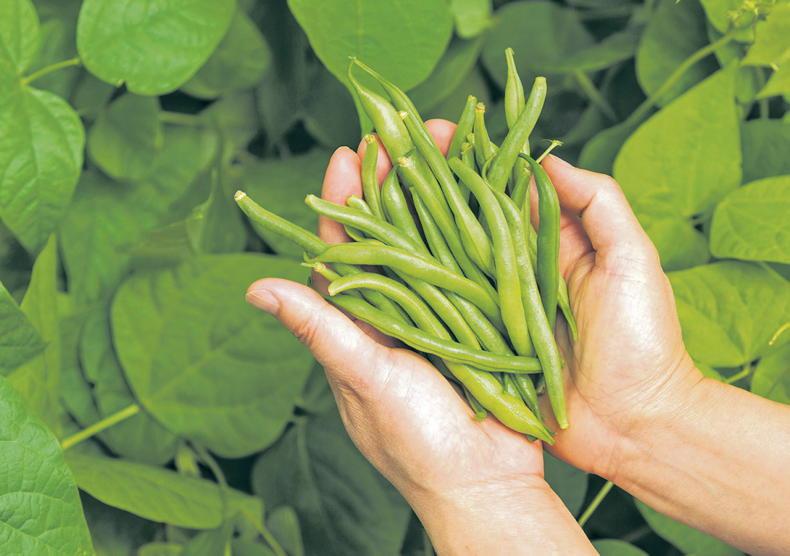
My French and runners beans are doing really well this year, what is the option for storing to preserve them? - Margaret Finley, west Cork.
French and runner beans freeze exceptionally well, making them one of the easiest vegetables to preserve. Harvest them while the pods are still young and tender, then top and tail if needed. Blanch them in boiling water for two to three minutes before plunging them into iced water to stop the cooking process. Drain thoroughly, pack into freezer bags or containers, and freeze. Regular picking encourages plants to keep producing, so don’t leave mature pods on the plant. Any surplus can also be shared with neighbours and friends.
Module/tray sowings for transplanting in polytunnel: lettuce (winter varieties), Pac choi, oriental greens, winter purslane (Claytonia), corn salad, rocket, spinach, Florence fennel, coriander and chervil.
Module/tray sowings for transplanting outdoors next month: cabbage (spring types), kale (early in the month) and chard.
Direct sow outdoors: coriander, radish, turnip, spring onions, oriental salad leaves (mixed varieties, cut-and-come-again types), spinach and land cress.


SHARING OPTIONS