



The ponds in our garden are a tremendous habitat for wildlife. They provide a breeding space for frogs and newts while supporting a wide variety of other creatures, from pond skaters to water boatmen and water snails. Throughout summer, brightly coloured dragonflies and damselflies whizz over the surface and the ponds also serve as a resource for birds to drink and bathe, as a water source for mammals, and a hunting ground for bats to feed on associated insect life. Fish are predators, and so we don’t include them in our ponds, as they eat smaller wildlife, like frog spawn, tadpoles and invertebrate eggs, significantly reducing biodiversity. For many people, having a pond in the garden also provides a calming focal point to relax and find peace and relief from the stresses of modern living.
Just like any area of the garden, a pond will benefit from occasional maintenance to keep it looking good and in a healthy condition, as well as ensuring it continues working as a habitat. If left alone, pond vegetation can become congested, and the pond may gradually fill up with a nutrient-rich sludge, which could lead to problems with algae or weed growth in spring.
Autumn is a good time to care for your pond as it minimises disturbances to wildlife. The ideal period is late autumn after breeding and before hibernation, when aquatic life is less active. In one of our ponds, the vegetation had grown quite dense with only a tiny area of water visible, and so, in recent days, we have thinned out several of the aquatic plants and removed excess. An expanse of water plantain, Alisma plantago-aquatica, had become quite dominant and was swamping a stand of the pretty, blue-flowering Pontederia cordata and an adjacent water lily, so it was substantially reduced.
Ideally, the aim is to have about half of a pond’s surface area covered with plants, to keep the water cool and provide shelter for the pondlife. It’s also important to remove tatty and fading leaves and stems of plants in and around the pond as they die back at this time of year. This stops decomposing vegetation building up in the pond. As this vegetation decays, it gives off toxic gases that can harm pond life and pollute the water. When you remove any debris or plants from a pond, leave the material at the side overnight to allow any trapped creatures to find their way back into the water.
As surrounding trees and shrubs shed leaves, inevitably some will fall into the ponds, so we regularly skim the water’s surface with a long-handled pond net to remove debris. Alternatively, if your pond is small, you might cover it with a net to catch fallen leaves and prevent them from sinking to the bottom. Decomposing leaves increase water nutrient levels which can promote the undesirable development of algae and pond weeds.
Winter is coming
As winter approaches, it is advisable to turn off and remove any fountains and pumps and give them a good clean. Check for any blockages to the pump’s filter, and ensure the electrical connection is in good order before storing it in a safe place over winter until it is returned to the pond in spring.
Ponds rarely need a complete clear-out, unless they’ve become extremely overgrown. If your pond is leaking or requires a significant overhaul, autumn is the best time for this task. However, keep in mind that cleaning out a pond can seriously disrupt its natural ecosystem, which can take several years to recover. The general advice is to give small ponds a complete overhaul to remove debris every five years and large ponds every ten years.
The first step is to lower the water levels using a pump or siphoning drain. Remove any fish, if present, or larger pond creatures to a holding tank or bucket, ideally filled with pond water. Remove any water plants and take the opportunity to repot or divide them, if necessary. For wildlife ponds, it is best not to totally clean the pond. Either leave a layer of silt in the bottom of the pond allowing any eggs, grubs or larvae to overwinter until they emerge in the spring or remove the mud and debris from only one half of the pond to allow creatures to recolonise.
After cleaning, refill the pond, using rainwater if possible, and reposition the plants as you go. Finish by returning the fish and any other pond life.
If you are thinking of adding a pond feature to your garden, autumn or winter is also a good time to construct one, because it will have time to settle in before the breeding season for many wildlife species begins in early spring.
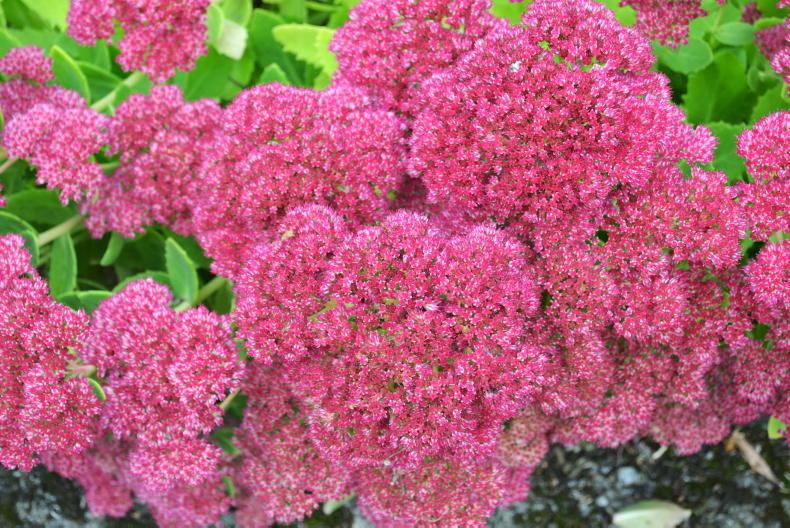
What late-flowering perennials can I grow for autumn colour? - Mary, Roscommon.
Some of the most reliable perennials for late colour through September and into October include asters and Michaelmas daisies in their vast array of flower colours and heights. Border sedums also make an excellent choice with their succulent green, grey or purple-tinged leaves and domed heads of pretty, pink flowers that provide a valuable late supply of nectar for bees and butterflies.
A popular form is Hylotelephium ‘Herbstfreude’. One of the latest flowering perennials is Hesperantha with elegant, sword-shaped leaves and spikes of pretty, star-shaped flowers in icy pink, white or carmine red.
Tidy: Sweep fallen leaves from lawns and borders to keep these spaces tidy and prevent them harbouring pests and disease. Shred and compost the leaves, or store separately to make nutrient-rich leaf mould.
Bulbs: Consider planting moisture-loving spring bulbs, like snake’s head fritillary, Fritillaria meleagris, into damp lawn areas where mowing can be paused in spring.
Trim: Trim hedges to neaten them and control their size and shape. Cut the top slightly narrower than the base to prevent dieback at the bottom.
Plant: Start planting new perennials while the soil is still warm and moisture levels are increasing. Work in compost or well-rotted manure to give plants a strong start.
Mary Keenan and Ross Doyle run Gash Gardens, Co Laois which is open to the public. See gashgardens.ie

